Yes, modern cars still need tune-ups — but the definition has changed completely. A “tune-up” in 2026 isn’t the carburetor adjustments and distributor cap replacements of the 1980s. Modern tune-ups focus on spark plug replacement, filter changes, fuel system cleaning, and system inspections that keep your engine running efficiently and prevent expensive problems down the road.
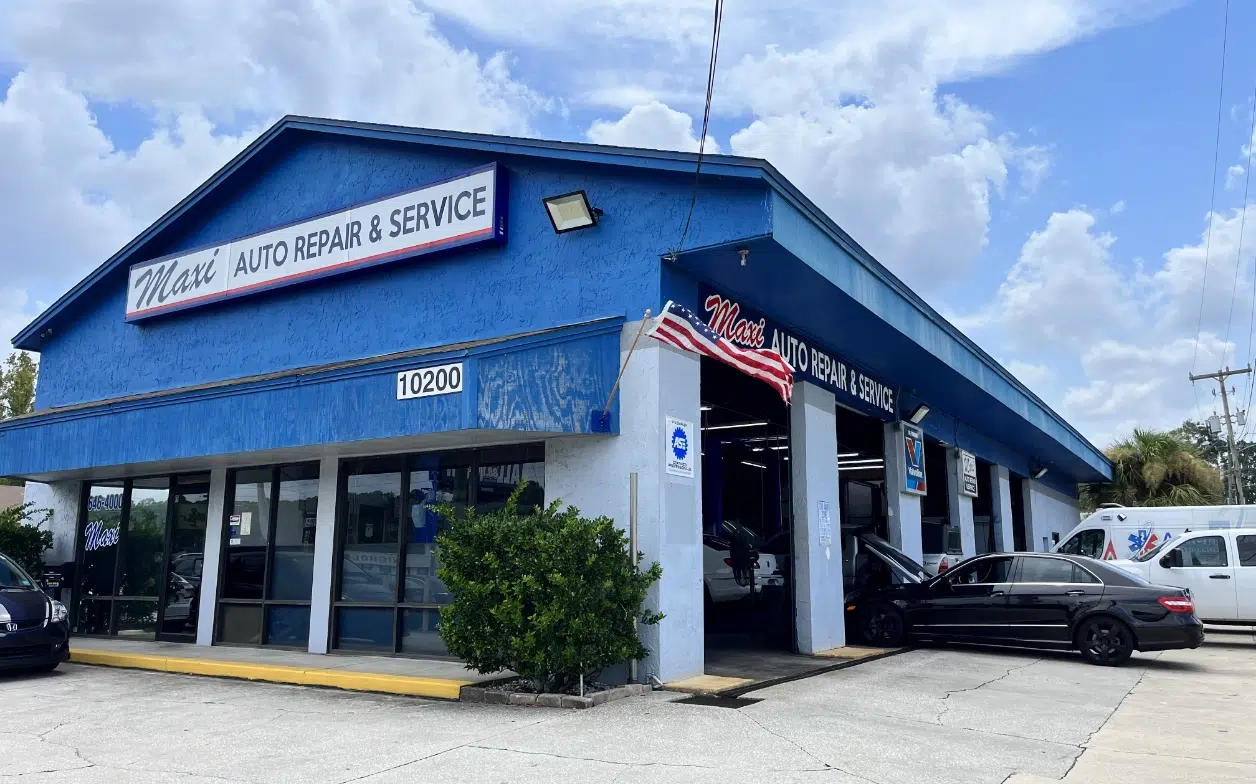
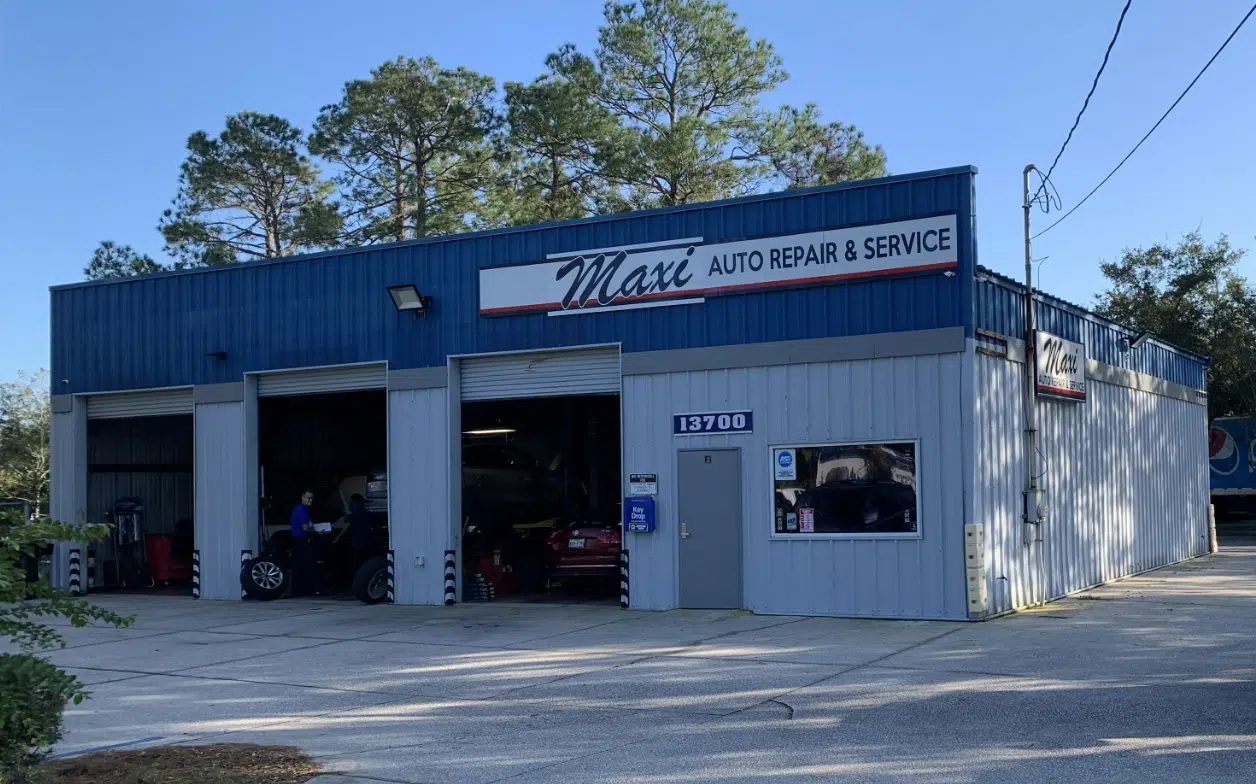
At Maxi’s Mechanics in Jacksonville, we provide tune-up services tailored to your vehicle’s make, model, mileage, and manufacturer recommendations — not a generic one-size-fits-all checklist.
What Does a Modern Tune-Up Include?
Spark plug replacement
The core of any tune-up. Spark plugs ignite the air-fuel mixture in each cylinder thousands of times per minute. Worn plugs cause misfires, reduced fuel economy, rough idle, and hesitation during acceleration [1]. Modern iridium or platinum plugs last 60,000–100,000 miles, but standard copper plugs need replacement every 30,000 miles. The type your vehicle uses determines your tune-up interval.
Engine air filter replacement
A clogged air filter restricts airflow to the engine, reducing performance and fuel economy. In Jacksonville’s environment — with year-round pollen (oak in spring, grass in summer, ragweed in fall), coastal sand, and road dust — air filters clog faster than manufacturer estimates suggest. We typically recommend replacement every 15,000–20,000 miles here, not the 30,000+ some manufacturers suggest.
Cabin air filter replacement
Not the same as the engine air filter. The cabin filter cleans the air you breathe inside the vehicle. In Jacksonville’s high-humidity, high-pollen environment, cabin filters should be replaced every 12,000–15,000 miles. A saturated cabin filter also reduces AC efficiency because the blower motor has to work harder to push air through a clogged filter.
Fuel system cleaning
Carbon deposits build up on fuel injectors, intake valves, and the throttle body over time. Direct-injection engines (common in most vehicles from 2012+) are particularly susceptible because fuel doesn’t wash over the intake valves like it does in port-injection engines [2]. A professional fuel system cleaning restores proper fuel delivery and can noticeably improve performance, fuel economy, and idle quality.
Throttle body cleaning
The throttle body controls airflow into the engine. Carbon buildup on the throttle plate and bore causes rough idle, stalling, and hesitation. In Jacksonville’s humid environment, the combination of moisture and carbon creates a sticky residue that accumulates faster than in drier climates.
Ignition coil inspection
Ignition coils deliver high voltage to spark plugs. They don’t fail on a predictable schedule, but they’re inspected during a tune-up and replaced if showing signs of weakness (cracks, carbon tracking, or intermittent misfire codes). Replacing a failing coil during a tune-up prevents a breakdown later — and since the spark plugs are already out, there’s no additional labor.
PCV valve replacement
The positive crankcase ventilation valve regulates engine emissions and internal pressure. A stuck or failed PCV valve causes oil leaks, increased oil consumption, rough idle, and can contribute to sludge buildup. Most should be replaced every 30,000–60,000 miles.
Comprehensive inspection
Belts (serpentine, timing if applicable), hoses, fluid levels and condition, battery health, and overall engine bay inspection. This is where a good technician catches developing problems before they become expensive failures.
How Often Do You Need a Tune-Up?
Every 30,000 miles for vehicles with standard copper spark plugs (less common in modern vehicles).
Every 60,000–100,000 miles for vehicles with iridium or platinum spark plugs (most modern vehicles).
Don’t wait for the interval if you notice:
- Reduced fuel economy (track your mpg — a 10–15% decline often indicates spark plug or fuel system issues)
- Rough idle or vibration at idle that wasn’t there before
- Hesitation or stumble during acceleration
- Difficulty starting, especially on cold mornings
- Check engine light with misfire codes (P0300-series)
- Failed emissions test (applicable if you’re registering in a state that requires it)
In Jacksonville’s climate, we generally recommend being on the earlier side of manufacturer intervals. Heat accelerates spark plug electrode wear and carbon buildup, humidity promotes corrosion on electrical components, and our pollen-heavy environment clogs filters faster than national averages.
How Much Does a Tune-Up Cost?
Tune-up pricing varies significantly based on engine type and spark plug accessibility:
Basic tune-up (4-cylinder): $150–$300. Spark plugs, engine air filter, visual inspection.
Standard tune-up (V6): $250–$450. Spark plugs, air filter, cabin filter, fuel system cleaning, inspection.
Complete tune-up (V8 or comprehensive): $350–$600+. Everything above plus PCV valve, throttle body cleaning, and expanded system checks.
The biggest variable in pricing is spark plug accessibility. Some engines (Toyota Camry 4-cylinder, Honda Civic) have plugs that take 30 minutes to replace. Others (Ford F-150 5.4L 3-valve, Subaru flat-four) require significant disassembly and 2+ hours of labor just to reach the plugs.
[HYPOTHETICAL — replace with your actual tune-up data before publishing] At Maxi’s Mechanics, a basic tune-up — spark plugs, air filter, visual inspection — typically runs $150–$250 for a 4-cylinder and $250–$400 for a V6 or V8, depending on plug accessibility and type. Our comprehensive tune-up adds fuel system cleaning, new cabin air filter, and throttle body service for an additional $100–$150. We use NGK or Denso iridium plugs on most applications — they cost more upfront than copper but last 80,000–100,000 miles versus 30,000 for copper. In Jacksonville’s climate, we also pay extra attention to the air intake system, since humidity, pollen, and sand contaminate the MAF sensor and throttle body faster than in most markets.
The “Modern Cars Don’t Need Tune-Ups” Myth
You’ll hear people say modern cars don’t need tune-ups because they don’t have distributors, carburetors, or ignition points anymore. That’s only partially true — modern cars eliminated the old tune-up items, but they introduced new maintenance needs:
Direct injection carbon buildup didn’t exist on older port-injection engines. It’s now one of the most common performance complaints on vehicles with 60,000+ miles.
Coil-on-plug ignition eliminated distributor caps and wires but introduced individual ignition coils that can fail independently.
Electronic throttle bodies replaced manual throttle cables but still accumulate carbon deposits that affect idle quality.
Modern spark plugs last longer — but they still wear out. And because they last 100,000 miles, they can actually seize in the cylinder head if not replaced on schedule, turning a routine plug change into a much more expensive extraction procedure.
The bottom line: modern cars need fewer tune-ups, but skipping them entirely leads to the same problems it always has — poor performance, wasted fuel, and expensive repairs that proper maintenance would have prevented.
Tune-Up Services at Maxi’s Mechanics
Our ASE-certified technicians follow manufacturer specifications for your specific vehicle and use quality replacement parts. We’ll also inspect for developing issues during every tune-up — catching a worn belt, aging hose, or weak battery during a scheduled service visit prevents a breakdown between visits.
Four Jacksonville locations:
Beach Boulevard — (904) 646-4000 | Riverside — (904) 358-9800 | Hodges — (904) 992-6868 | San Marco — (904) 931-4388
Monday–Friday, 7:30 AM – 5:30 PM. All work backed by our 3-Year / 36,000-Mile Nationwide Warranty.
Frequently Asked Questions
Do modern cars still need tune-ups?
Yes. Modern cars eliminated carburetors and distributors, but they still have spark plugs that wear out, air filters that clog, fuel systems that accumulate carbon deposits, and ignition coils that fail. The interval is longer (60,000–100,000 miles for most modern vehicles), but skipping tune-ups leads to poor performance, reduced fuel economy, and expensive repairs.
What happens if you never get a tune-up?
Worn spark plugs cause misfires that can damage the catalytic converter ($800–$2,500 replacement). Clogged air filters reduce fuel economy by up to 10%. Carbon-fouled fuel injectors cause rough running and poor performance. Spark plugs left beyond 100,000 miles can seize in the cylinder head, turning a routine $200 plug change into a $500+ extraction procedure.
How do I know if my car needs a tune-up?
Common signs include reduced fuel economy, rough idle, hesitation during acceleration, difficulty starting, and check engine light with misfire codes. You can also check your maintenance schedule — if you’ve passed the recommended spark plug replacement interval (usually 60,000–100,000 miles for iridium plugs), a tune-up is due regardless of symptoms.
References
[1] Edmunds. “Does My Car Need a Tune-Up?” edmunds.com
[2] ASE. “Engine Performance Certification.” National Institute for Automotive Service Excellence. ase.com