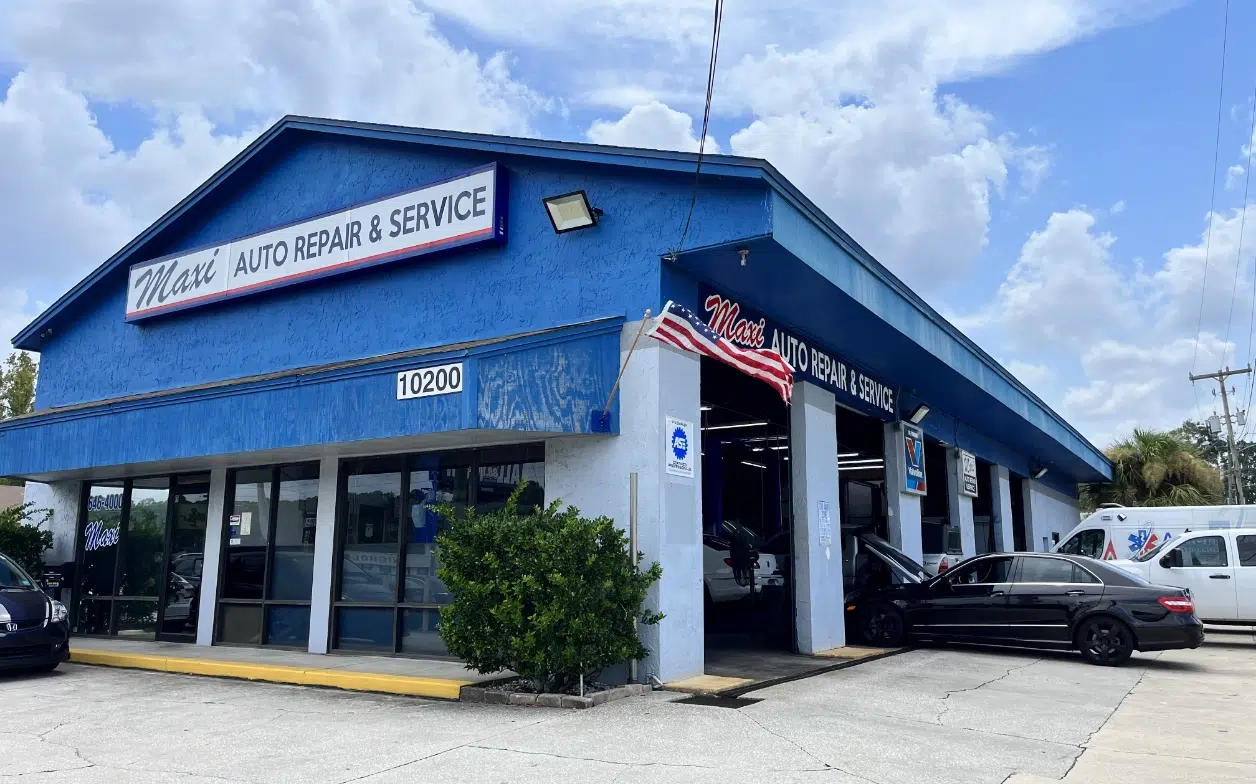
Check Engine Light Diagnostics Hodges Jacksonville: Diagnostic services for engine warning indicators in Hodges Jacksonville are available at this facility
At Maxi’s Mechanics Auto Repair and Service – Hodges in Hodges Jacksonville, we specialize in diagnosing and addressing issues indicated by your vehicle’s warning indicators. Our team of experts is equipped to assist you with all your engine warning indicator concerns, ensuring that your vehicle remains in optimal condition.
Understanding Engine Warning Indicators
When it comes to the various signals your vehicle’s engine may be sending, it’s essential to interpret them correctly. Here are some key points to help you understand engine warning indicators:
- Pay attention to any unusual sounds or odors emanating from your vehicle, as they can be indicative of underlying issues.
- Monitor changes in your vehicle’s performance, such as decreased acceleration or rough idling, which may point to engine problems.
- Check the dashboard for warning lights that may illuminate, signaling potential issues that require immediate attention.
By staying vigilant and proactive in addressing engine warning indicators, you can prevent more significant problems down the line and ensure the longevity of your vehicle.
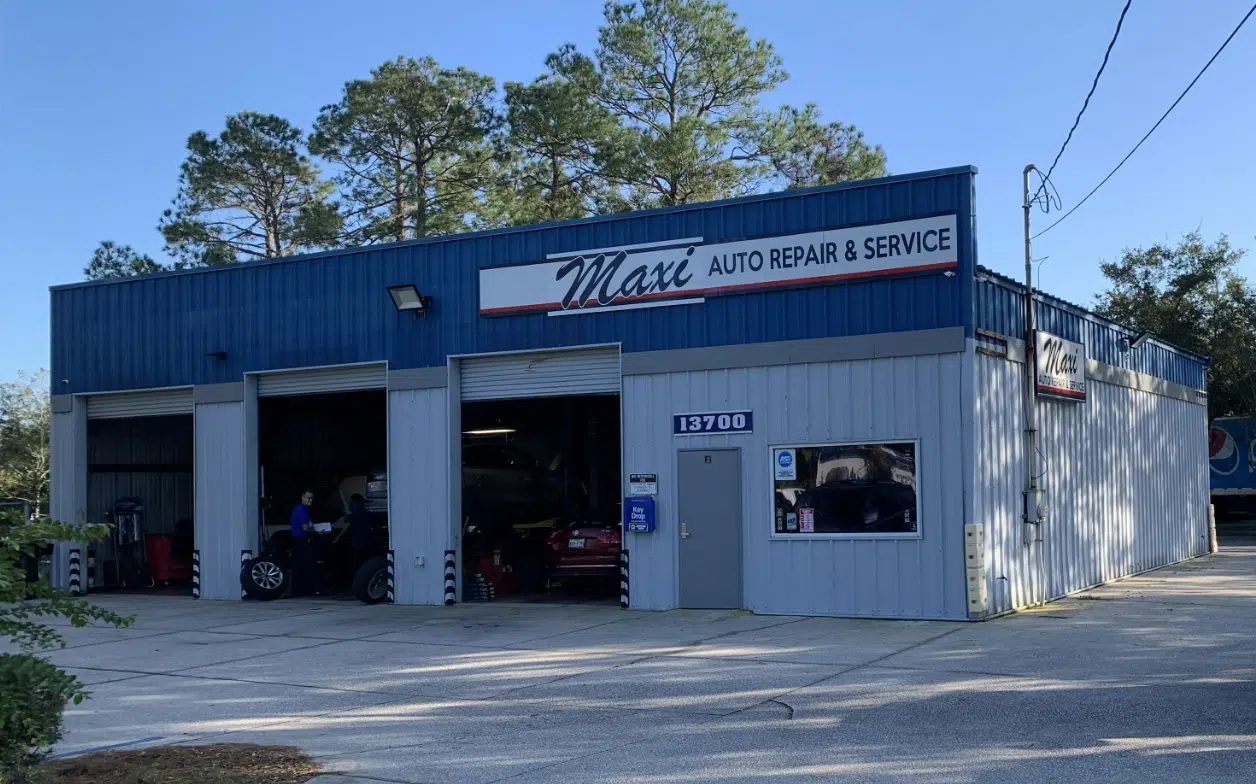
Maxi’s Mechanics Auto Repair and Service Hodges, 13700 Fario Rd, Jacksonville, FL 32224, +19049926868
For more information – Click Here
Exploring Common Causes of Dashboard Warning Lights
When your vehicle’s dashboard warning lights illuminate, it can be a sign of various underlying issues that require attention. Understanding the potential triggers behind these warnings can help you address them promptly and maintain your vehicle’s optimal performance.
- One common cause of dashboard warning lights is a faulty oxygen sensor, also known as the O2 sensor. This component monitors the level of oxygen in the exhaust gases and plays a crucial role in ensuring efficient fuel consumption.
- Another possible culprit is a loose gas cap, which can trigger the “Check Fuel Cap” warning light. A loose gas cap can lead to fuel evaporation and negatively impact your vehicle’s emissions system.
- Issues with the catalytic converter can also result in dashboard warning lights. The catalytic converter helps reduce harmful emissions, and problems with this component can lead to decreased fuel efficiency and increased pollution.
Additionally, a malfunctioning mass airflow sensor (MAF sensor) can cause warning lights to illuminate on your dashboard. The MAF sensor measures the amount of air entering the engine, and any discrepancies in its readings can affect engine performance.
- Regular maintenance and timely repairs can help prevent dashboard warning lights from appearing unexpectedly.
- Consulting a professional mechanic for diagnostic testing can help identify the specific issue triggering the warning lights and ensure proper repairs are made.
The Significance of Regular Vehicle Inspections
Keeping up with routine vehicle inspections is crucial to maintaining optimal performance and ensuring safety on the road. Here are some key reasons why timely inspections are essential:
- Enhanced Safety: Regular inspections help identify potential issues early, preventing accidents and breakdowns.
- Improved Performance: By addressing minor problems promptly, you can avoid major repairs and keep your vehicle running smoothly.
- Longevity of Components: Timely inspections can prolong the lifespan of various parts, saving you money in the long run.
Furthermore, staying proactive with inspections can also lead to:
- Cost Savings: Detecting and fixing minor issues early on is generally more affordable than waiting for them to escalate.
- Environmental Benefits: Maintaining a well-functioning vehicle can reduce emissions and contribute to a greener environment.
Remember, regular vehicle inspections are not just about compliance; they are a proactive approach to ensuring your safety, saving money, and reducing your carbon footprint. Make it a priority to schedule inspections at recommended intervals to enjoy these benefits.
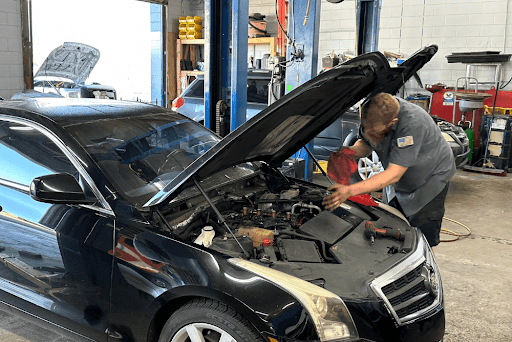
Professional Diagnostic Tools in Auto Repair
Modern vehicles are equipped with sophisticated systems that require advanced diagnostic tools to accurately pinpoint issues. Professional diagnostic tools play a crucial role in the efficiency and precision of auto repairs. These tools go beyond basic code readers, providing in-depth insights into the vehicle’s various systems.
- Advanced Scanning Devices: These tools can access the vehicle’s onboard computer to retrieve detailed information about the engine, transmission, ABS, and other critical systems.
- Multifunctional Diagnostic Scanners: These scanners offer a wide range of capabilities, such as reading live data streams, performing component tests, and resetting adaptations.
- Scope Meters: Scope meters are essential for diagnosing complex electrical issues by analyzing waveforms and voltage patterns in real-time.
By utilizing professional diagnostic tools, technicians can efficiently troubleshoot problems, leading to quicker repairs and accurate solutions. These tools empower technicians to delve deep into the vehicle’s systems, ensuring that no issue goes unnoticed. Additionally, they help in avoiding unnecessary part replacements by providing precise diagnostics.
Addressing Engine Performance Issues
When your vehicle’s engine is not performing optimally, it can be a frustrating experience. Understanding the root cause of engine performance issues is crucial to ensuring your vehicle runs smoothly. Here are some key insights to help you address these problems effectively:
- Regular Maintenance: Consistent maintenance is essential for preventing engine performance issues. This includes oil changes, air filter replacements, and spark plug checks.
- Monitoring Fluid Levels: Keeping an eye on your vehicle’s fluid levels, such as oil, coolant, and transmission fluid, can help prevent engine overheating and other issues.
- Quality Fuel: Using high-quality fuel can significantly impact engine performance. Opt for fuel with the appropriate octane rating recommended for your vehicle.
Additionally, paying attention to warning signs such as strange noises, rough idling, or a decrease in fuel efficiency can help you identify potential engine problems early on. Consulting with a professional mechanic for a thorough diagnosis and timely repairs is crucial for maintaining your vehicle’s performance and longevity.
Maximizing Vehicle Longevity through Prompt Repairs
When it comes to ensuring the long-term health of your vehicle, addressing maintenance issues promptly can significantly extend its lifespan. Here are some expert tips to help you maximize your vehicle’s longevity:
- Regularly Check Fluid Levels: Keeping an eye on your vehicle’s fluid levels, such as oil, coolant, and transmission fluid, can prevent potential damage and costly repairs.
- Address Warning Signs Immediately: Ignoring warning signs such as strange noises, vibrations, or dashboard alerts can lead to more severe issues down the road.
- Timely Replacement of Worn Parts: Components like brakes, tires, and belts should be replaced according to the manufacturer’s recommendations to avoid breakdowns and accidents.
By staying proactive and attentive to your vehicle’s needs, you can proactively address minor issues before they escalate into major problems. Regular maintenance and prompt repairs not only enhance your vehicle’s performance but also contribute to its overall longevity.