Why Does Engine Oil Leak And When Does It Become An Expensive Problem?: Engine oil leakage in Jacksonville, Florida can result in a costly issue once it progresses to a more severe state
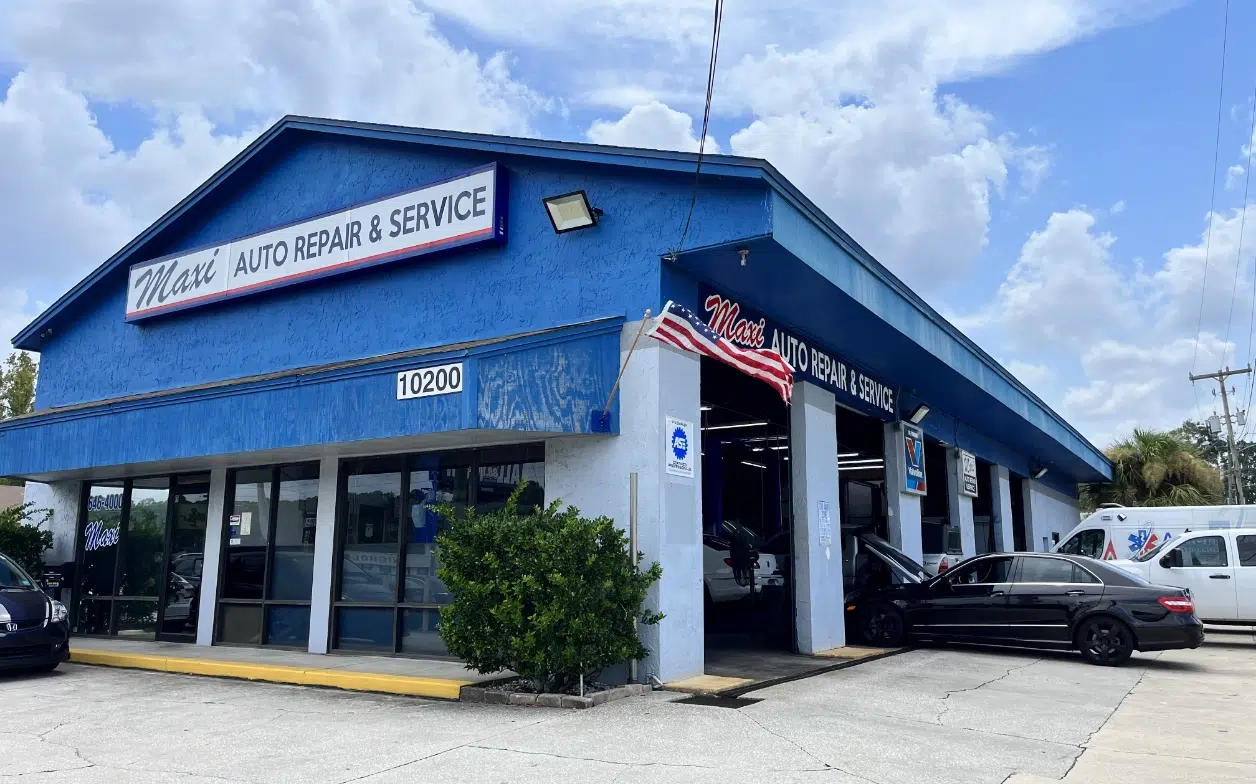
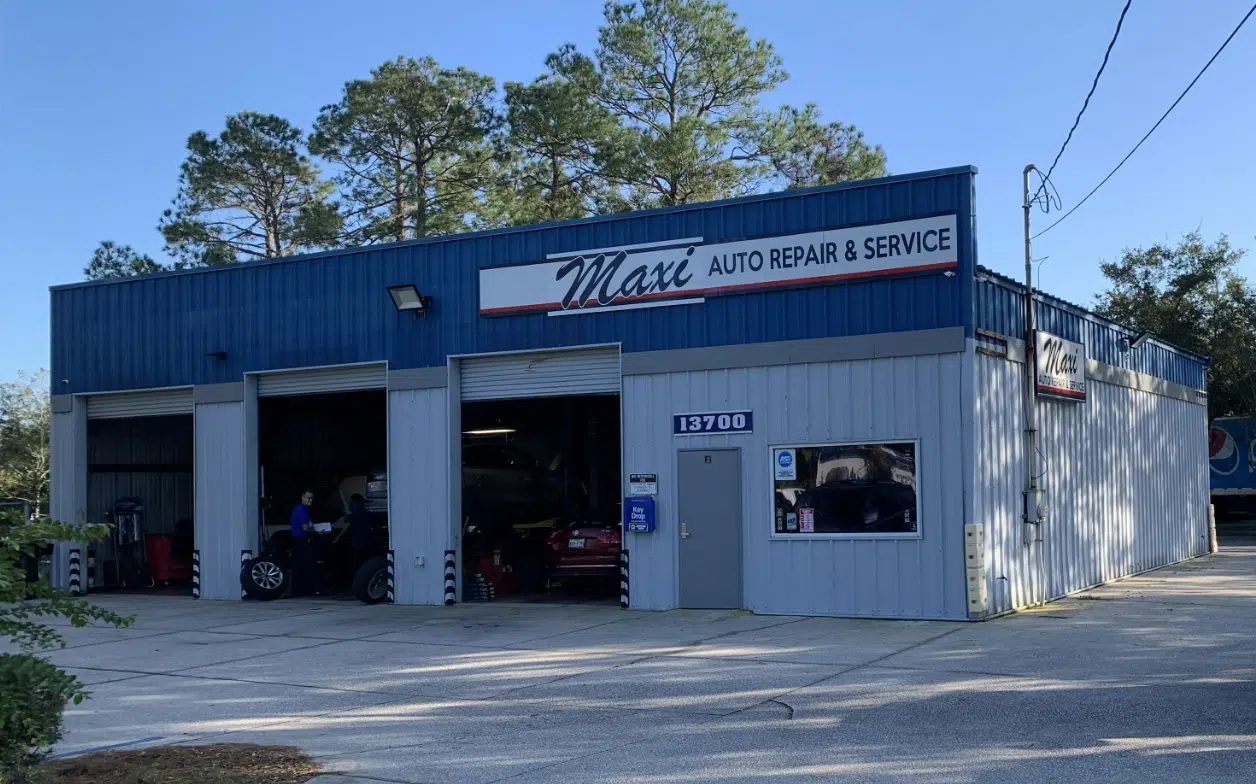
At Maxi’s Mechanics Auto Repair and Service in Jacksonville, we specialize in addressing issues related to engine oil leaks and associated problems. Our team of skilled technicians is well-equipped to diagnose and repair various issues that may cause engine oil leaks, ensuring that your vehicle remains in optimal condition. Whether it’s worn gaskets, loose oil filters, or damaged seals, our experts have the knowledge and experience to identify and resolve these issues promptly.
Common Causes of Engine Oil Leaks
When it comes to engine oil leaks, there are several common culprits that vehicle owners should be aware of. These issues can lead to a decrease in engine performance and, if left unchecked, may result in more significant problems down the line. Some of the most frequent causes of engine oil leaks include:
- Worn or damaged gaskets
- Loose or improperly installed oil filters
- Cracked or degraded oil pan
Identifying the root cause of the leak is essential in preventing further damage to your engine. Regular maintenance and inspections can help catch these issues early on, saving you time and money in the long run. If you suspect an engine oil leak, don’t hesitate to contact our team at Maxi’s Mechanics Auto Repair and Service for expert assistance.
For more information – Click Here
Signs of Engine Oil Leaks to Watch Out For
When it comes to monitoring your vehicle’s health, being alert to potential engine oil leaks can save you from costly repairs down the road. Keep an eye out for these key indicators:
- Visible oil stains or puddles under your parked car
- Burning smell coming from the engine area
- Low oil levels on the dipstick
Moreover, if you notice a sudden drop in fuel efficiency or hear unusual engine noises, it could be a sign of oil leakage affecting engine performance.
One metonym to remember is that engine oil leaks are often linked to degraded gaskets or seals, which can result in oil seepage. This can lead to decreased lubrication and increased friction within the engine components, potentially causing irreversible damage over time.
Regularly inspecting your vehicle for these signs can help you catch oil leaks early and address them promptly, preventing further complications. Remember, early detection can save you from the headache of dealing with a major oil leak issue in the future.
Effects of Neglecting Engine Oil Leaks
Ignoring engine oil leaks can have detrimental consequences on the overall performance and longevity of your vehicle. It is crucial to address these issues promptly to avoid more significant problems down the line.
- Reduced Lubrication: Engine oil leaks lead to inadequate lubrication of critical components, causing increased friction and wear.
- Overheating: Insufficient oil levels can result in engine overheating, potentially causing irreparable damage.
- Decreased Fuel Efficiency: Leaks can impact the efficiency of your engine, leading to increased fuel consumption and higher costs.
Regularly checking for and fixing oil leaks is a preventive measure that can save you from costly repairs in the future. By maintaining proper oil levels and addressing leaks promptly, you can prolong the life of your engine and ensure optimal performance.

Detecting Engine Oil Leaks Early in Jacksonville, FL
Engine oil leaks can be a concerning issue for vehicle owners in Jacksonville, FL. Detecting these leaks early on is crucial to prevent more significant problems down the line. Here are some expert tips to help you identify oil leaks in your vehicle:
- Regularly check the ground underneath your parked car for oil spots, which can indicate a leak.
- Inspect the engine bay for any visible signs of oil seepage or dripping.
- Monitor your oil levels and look for any unexpected drops, which could be a sign of a leak.
Early detection of engine oil leaks can save you time and money in the long run. By addressing the issue promptly, you can prevent more extensive damage to your vehicle’s engine and components.
Engine Oil Leak Repair Costs and Options
Addressing engine oil leaks promptly can prevent more severe issues down the line. The cost of repairing an engine oil leak can vary significantly based on the extent of the damage and the specific components affected.
Here are some insights on engine oil leak repair costs and options:
- Consider DIY repairs if you have the necessary skills and tools. It can be a cost-effective option for minor leaks.
- Consulting with a professional mechanic is crucial to accurately diagnose the source of the leak and determine the most appropriate solution.
When it comes to repair costs, factors such as the location of the leak, the type of vehicle, and the required replacement parts all play a role in determining the final expenses.
Regularly checking your engine oil levels and monitoring for any signs of leaks can help catch potential issues early, saving you money in the long run.
Exploring different repair options, such as using aftermarket parts or opting for resealing services, can provide more affordable alternatives without compromising quality.
While addressing engine oil leaks promptly is essential, it’s equally important to weigh the costs and benefits of each repair option to make an informed decision that aligns with your budget and vehicle’s needs.
Expert Tips for Preventing Costly Engine Oil Leaks
Engine oil leaks can be a headache for any vehicle owner, both in terms of maintenance costs and potential damage to the engine. By taking proactive measures, you can prevent these leaks and save yourself from expensive repairs down the road.
- Regularly check your engine oil levels to ensure they are within the recommended range.
- Inspect the oil pan for any signs of damage or corrosion that could lead to leaks.
- Replace the oil filter during every oil change to maintain optimal engine performance.
Additionally, using high-quality engine oil can help reduce the risk of leaks and ensure proper lubrication of engine components. Synthetic oils are known for their superior performance and longevity compared to conventional oils.
| Pros | Cons |
|---|---|
| Prevents engine wear | Higher cost |
| Improved fuel efficiency | May not be necessary for all vehicles |
Furthermore, paying attention to oil change intervals recommended by the manufacturer can help maintain the health of your engine and reduce the chances of leaks. Overlooking regular oil changes can lead to oil breakdown and increased friction within the engine, resulting in potential leaks.
- Keep your engine properly tuned to prevent excess stress on engine components.
- Inspect gaskets and seals for wear and tear, as they are common culprits of oil leaks.
- Address any oil leaks promptly to prevent further damage and avoid costly repairs.