At first glance, cheaper tires seem like an easy way to save money. Lower upfront cost, quick install, and you’re back on the road. But what many drivers don’t realize is that inexpensive tires often lead to higher costs over time, both financially and in terms of safety.
The Trade-Off Behind Lower Prices
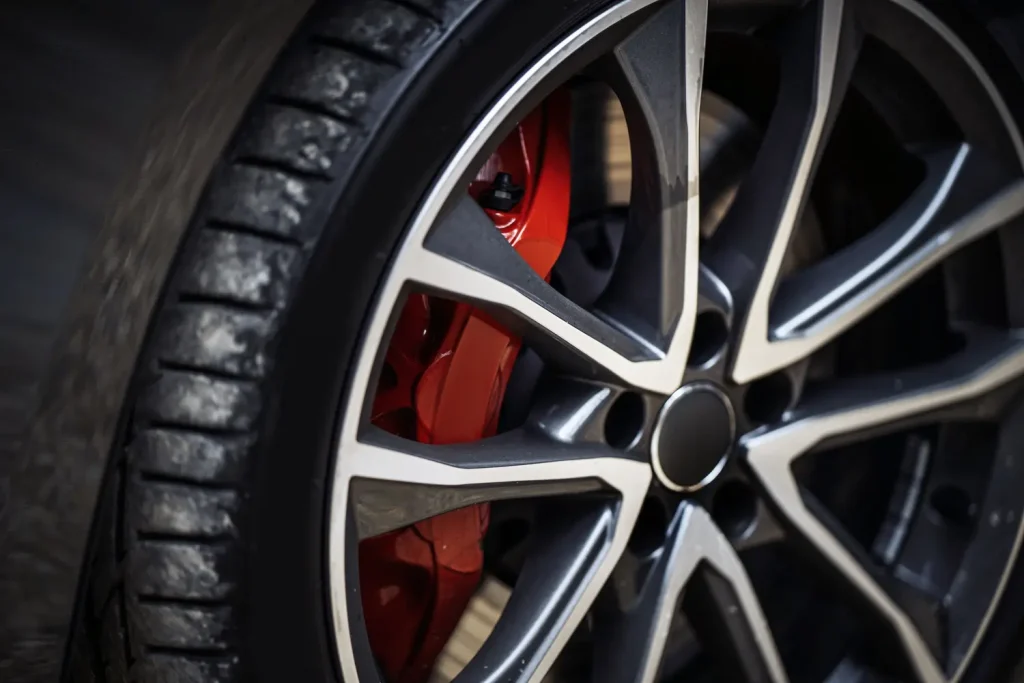
Budget tires are typically made with lower-quality rubber compounds and simpler construction. This means they wear out faster, provide less traction, and don’t perform as well in extreme conditions like heavy rain or high heat. In a climate like Florida, where roads get hot and storms hit hard, that performance gap becomes even more important.
Faster Wear Means More Replacements
One of the biggest hidden costs of cheap tires is how quickly they need to be replaced. While a premium tire may last 50,000 to 70,000 miles, a lower-cost option may wear down significantly sooner. That means you’ll find yourself buying tires more often, which adds up quickly and cancels out any initial savings.
Reduced Safety and Performance
Tires are your vehicle’s only point of contact with the road. Lower-quality tires can increase stopping distance, reduce handling control, and make your vehicle less stable in emergency situations. That’s not just a performance issue, it’s a safety risk for you and everyone on the road.
Impact on Other Vehicle Components
Cheap tires can also contribute to uneven wear, poor alignment, and added strain on your suspension system. Over time, this can lead to additional maintenance costs that go far beyond the tires themselves.
Why Quality Tires Are a Smarter Investment
Investing in higher-quality tires means better durability, improved fuel efficiency, and more consistent performance. When paired with proper rotation and maintenance, they deliver longer life and better overall value.
How Maxi’s Helps You Make the Right Choice
At Maxi’s, we don’t just sell tires, we help you choose the right ones for your driving habits, budget, and long-term goals. We also back our tires with free installation (up to 19”) and ongoing support like rotations and flat repairs to maximize your investment.
The bottom line is simple. Saving money upfront on tires often costs more in the long run. Choosing the right tires now protects your wallet, your vehicle, and your safety down the road.