Engine Replacement Timeline: How Many Days Will I Be Without My Car?: The duration of my vehicle’s downtime for a motor swap in Jacksonville, FL
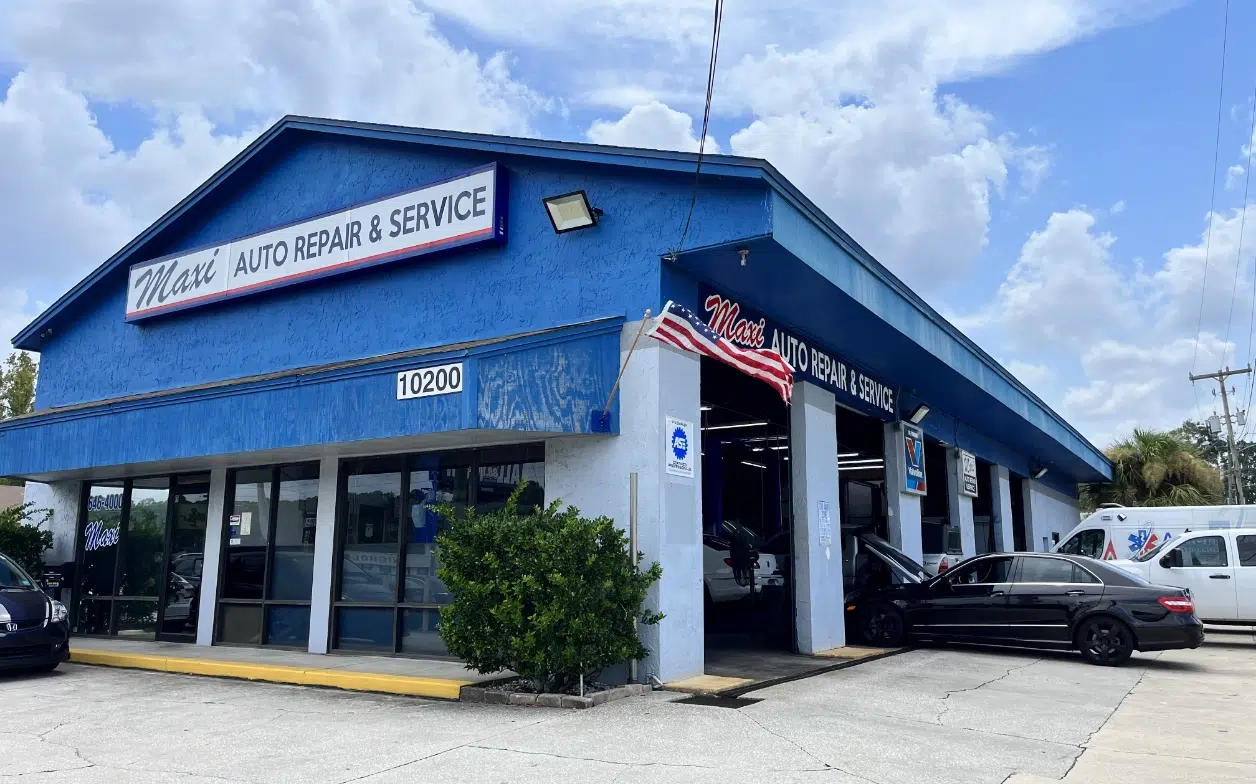
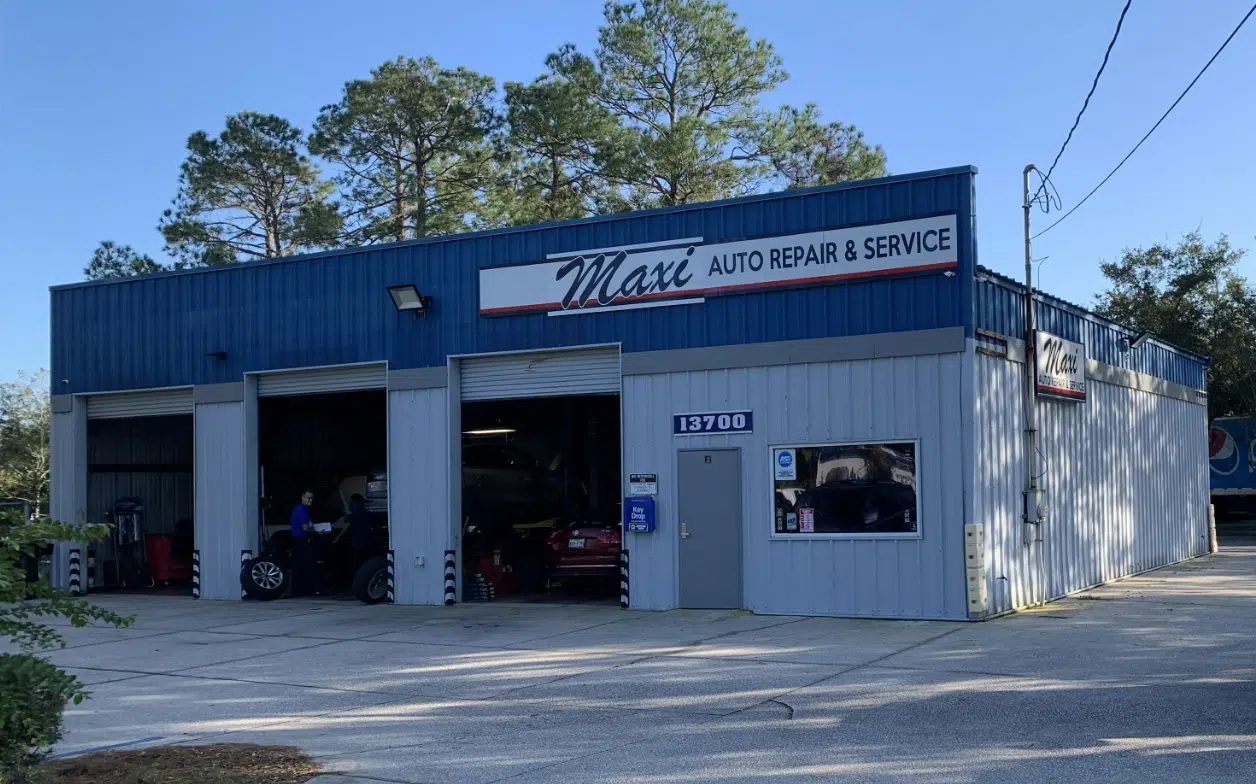
At Maxi’s Mechanics Auto Repair and Service in Jacksonville, FL, we understand the importance of minimizing the time your vehicle is in our care for Engine Replacement Timeline: How Many Days Will I Be Without My Car?. Our team of skilled technicians utilizes advanced techniques and efficient processes to ensure a swift and seamless engine replacement experience for our valued customers.
Factors Affecting Engine Replacement Duration
When determining the timeline for an engine replacement, several factors come into play, including:
- Complexity of the engine
- Availability of replacement parts
- Technician expertise and experience
Additionally, the extent of damage to the existing engine and any unforeseen complications during the replacement process can also impact the overall duration of the service.
Our Efficient Engine Replacement Process
At Maxi’s Mechanics Auto Repair and Service, we follow a meticulous procedure to ensure a timely and effective engine replacement:
- Thorough inspection and diagnosis of the engine issues
- Procurement of high-quality replacement parts
- Skilled removal and installation of the new engine
- Comprehensive testing to ensure optimal performance
By adhering to these steps with precision and care, we strive to minimize downtime and get you back on the road with a fully functioning vehicle in no time.
For more information – Click Here
Factors Influencing the Duration of Vehicle Engine Replacement
When considering the time it will take for your vehicle to undergo a crucial engine overhaul, various elements come into play. Understanding these factors can help you prepare better for the duration of the process.
- Complexity of the Engine Model
- Availability of Replacement Parts
- Skill Level of the Mechanic
One of the primary determinants of how long an engine replacement will take is the intricacy of the engine model itself. More modern and specialized engines may require extra attention and time to complete the replacement successfully.
Another crucial aspect to consider is the availability of replacement parts. If the necessary components are readily accessible, the mechanic can proceed with the replacement promptly, minimizing delays in the process.
The expertise and proficiency of the mechanic handling the engine replacement play a significant role in determining the duration of the task. A skilled and experienced mechanic is likely to complete the replacement more efficiently compared to a novice technician.
Additionally, the condition of the vehicle surrounding the engine can impact the duration of the replacement. If there are other underlying issues that need addressing, the overall process may take longer to ensure the vehicle’s optimal performance post-replacement.
Steps Involved in the Process
When it comes to the task at hand, there are several crucial steps involved in the undertaking. Each stage is vital to ensure a successful outcome and a smoothly running vehicle:
- Initial Assessment: This phase sets the groundwork for the entire operation. It involves a comprehensive examination of the current engine’s condition.
- Parts Acquisition: Once the evaluation is complete, the next step is to procure the necessary components. This might include cylinders, pistons, gaskets, and more.
- Removal of Old Unit: Extracting the existing engine from the vehicle is a meticulous process. The utmost care must be taken to prevent damage to other parts.
Following the removal, a thorough inspection of the engine bay is essential to ensure no remnants of the previous unit remain. The space must be pristine for the new engine’s installation to commence.
- Engine Installation: This is a critical phase and requires precision. Ensuring all connections are secure and components properly fitted is paramount for optimal performance.
- Testing and Tuning: Once the new engine is in place, a series of tests and adjustments are conducted to guarantee everything is functioning as it should.
Finally, a road test is conducted to assess the vehicle’s performance post-replacement. This step verifies that the engine is running smoothly and the car is safe for operation on public roads.

Factors Influencing Replacement Duration
When considering the duration of an engine replacement, several variables come into play, impacting the overall timeframe:
- Component Availability: The availability of the necessary parts can significantly affect the speed of the replacement process.
- Mechanic’s Expertise: A skilled mechanic will likely complete the replacement more efficiently than an inexperienced one.
- Vehicle Complexity: The intricacy of the vehicle’s engine system can either expedite or prolong the replacement timeline.
Additionally, unforeseen challenges may arise during the replacement process, such as:
- Hidden Damages: Discovering additional damages once the replacement has begun can lead to delays as new issues are addressed.
- Technical Complications: Complex engine configurations or unique vehicle designs may pose unexpected obstacles.
It’s essential to communicate openly with your mechanic to establish a realistic timeframe for the replacement. While every situation is unique, understanding these influencing factors can help manage expectations and prepare for any potential delays that may arise.
Tips for Minimizing Downtime During Vehicle Repair
In the realm of automotive maintenance, time spent without your trusty vehicle can be a significant inconvenience. However, there are strategies and precautions to consider that can potentially reduce the period of separation from your four-wheeled companion:
- Regular Maintenance: Consistent upkeep of your vehicle can help prevent major issues that may lead to extended repair times.
- Proactive Inspections: Regularly inspecting your car for any signs of trouble can help catch problems early, reducing the overall repair duration.
- Establish a Relationship with a Trustworthy Mechanic: Building a rapport with a reliable mechanic can streamline the repair process and potentially expedite service.
Additionally, in the event of an engine replacement, it is beneficial to consider the following:
- Request a Detailed Estimate: Understanding the scope of work and the time required can help you plan for alternative transportation arrangements.
- Explore Alternative Transportation Options: Investigate temporary transportation solutions such as car rentals or ridesharing services to minimize downtime.
By taking a proactive approach to vehicle maintenance and repair, you can potentially reduce the time your car spends in the shop and get back on the road sooner.
Preparing for Transportation During Car Repair
When facing the inevitable car repair that will leave you without your trusted vehicle for a period of time, planning ahead for alternative transportation is key. Here are some insightful tips to help you navigate this situation:
- Utilize public transportation if available in your area.
- Consider carpooling with friends, family, or colleagues to share rides.
- Explore rental car options for more extended repair durations.
Being proactive in arranging for transportation while your car is in the shop can alleviate stress and ensure you remain mobile during this inconvenience. Assessing the duration of the repair and the feasibility of different transportation methods can help you make informed decisions.
| Pros | Cons |
|---|---|
| Alternative transportation can be more cost-effective. | Dependence on others for rides may not always be convenient. |
| Exploring different options can lead to new commuting experiences. | Rental cars can add to the overall expenses of the repair. |
By diversifying your approach to transportation planning during car repairs, you can adapt to unexpected situations and maintain your daily routines efficiently. Embracing flexibility and exploring various transportation modes can turn this challenging period into an opportunity for new experiences and practical solutions.