Transmission Fluid Change Hodges Jacksonville: Fluid replacement service for vehicle transmissions available in the Hodges Jacksonville area
Maxi’s Mechanics Auto Repair and Service – Hodges is here to assist you with all of your vehicle’s fluid maintenance needs, ensuring optimal performance and longevity for your car. Our team of experts specializes in fluid maintenance services, providing top-notch care for your vehicle’s essential fluids.
The Importance of Regular Fluid Maintenance
Proper fluid maintenance is crucial for the overall health and performance of your vehicle. Here are some key reasons why regular fluid maintenance is essential:
- Optimal Performance: Regular fluid checks and changes help ensure that your vehicle operates at its best, avoiding potential issues and breakdowns.
- Extended Lifespan: By maintaining proper fluid levels and quality, you can prolong the lifespan of your vehicle and its components.
- Improved Fuel Efficiency: Clean fluids, such as oil and coolant, help your engine run smoothly, leading to better fuel efficiency.
Fluid maintenance encompasses various fluids in your vehicle, including oil, coolant, brake fluid, power steering fluid, and more. Each fluid plays a vital role in the proper functioning of different vehicle systems, and neglecting their maintenance can lead to costly repairs and decreased performance.
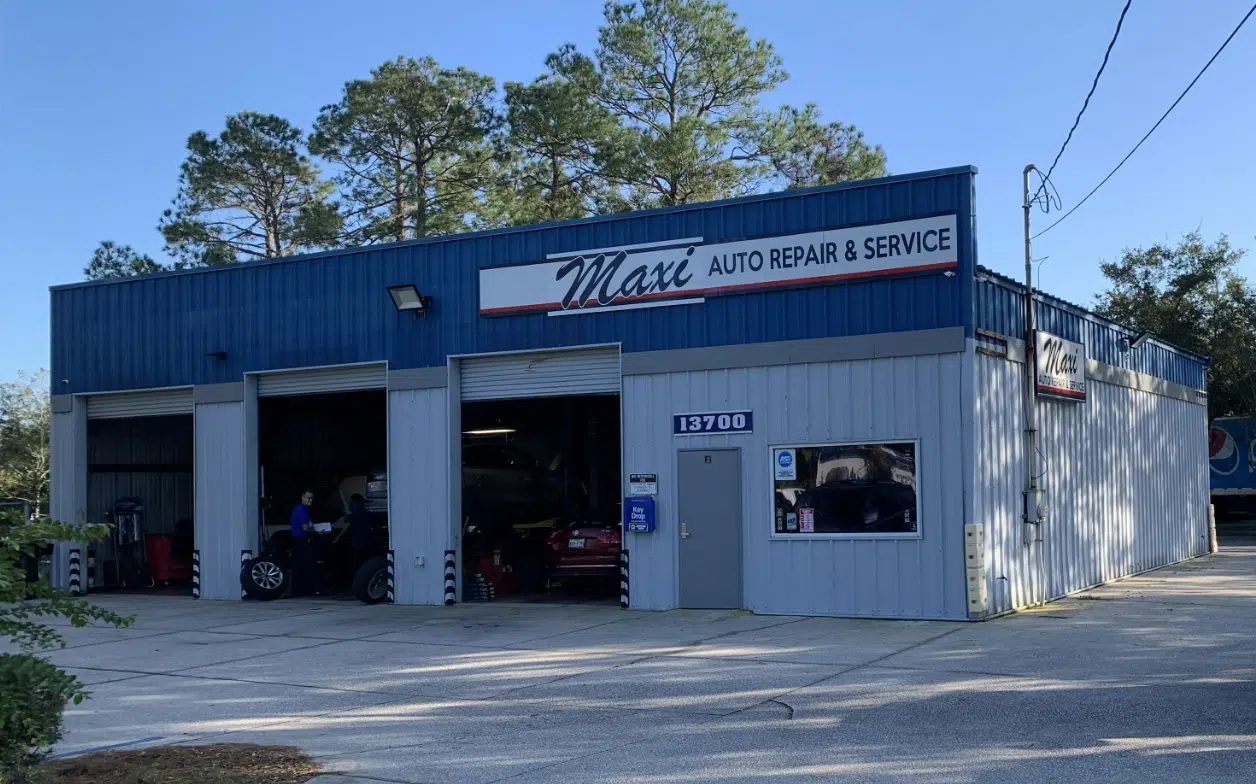
Maxi’s Mechanics Auto Repair and Service Hodges, 13700 Fario Rd, Jacksonville, FL 32224, +19049926868
For more information – Click Here
Signs Your Vehicle Requires Fluid Maintenance
Fluid services for your vehicle are crucial to ensure optimal performance and longevity. Below are some indicators that your vehicle may be in need of a fluid check and potential service:
- Unusual noises coming from the engine or transmission
- Visible leaks or puddles of fluid underneath the vehicle
- Difficulty shifting gears or noticeable delays
- Dark or burnt-smelling fluid
It is imperative to address these signs promptly to prevent further damage to your vehicle and avoid costly repairs down the line. Regularly checking and servicing fluids can significantly extend the lifespan of your vehicle’s components and improve overall performance.
Understanding the Process of Fluid Replacement
When it comes to maintaining your vehicle’s optimal performance, the process of flushing and replacing fluids plays a crucial role. This routine maintenance task involves renewing the essential fluids that lubricate and protect the various components of your vehicle’s engine and transmission system.
By regularly flushing and replacing fluids, you can:
- Prevent overheating and breakdowns
- Extend the lifespan of your vehicle
- Improve fuel efficiency
One key aspect of this process is understanding the specific types of fluids your vehicle requires. Different vehicles utilize various fluids, such as engine oil, coolant, brake fluid, and power steering fluid, each serving a distinct purpose in maintaining the overall functionality of your vehicle.
When engaging in the process of fluid replacement, it is essential to adhere to the manufacturer’s recommended schedule. Overlooking this maintenance task can lead to increased wear and tear on your vehicle’s components, potentially resulting in costly repairs down the line.
Regularly inspecting the quality and levels of your vehicle’s fluids is a proactive approach that can help you detect any potential issues early on. By staying ahead of maintenance tasks and addressing any concerns promptly, you can ensure that your vehicle operates smoothly and efficiently for years to come.
Different Types of Transmission Fluids and Their Functions
When it comes to maintaining your vehicle’s transmission, choosing the right type of fluid is crucial. There are various transmission fluids available on the market, each designed for specific functions to ensure optimal performance and longevity of your transmission system.
- Conventional Transmission Fluid:
- Also known as standard transmission fluid, this type is formulated for regular use in automatic and manual transmissions.
- It provides lubrication, cooling, and hydraulic properties to prevent wear and tear on transmission components.
- Best suited for vehicles with average driving conditions and mileage.
- Synthetic Transmission Fluid:
- Made from synthesized chemical compounds, synthetic transmission fluid offers enhanced performance and durability.
- It provides superior lubrication, oxidation resistance, and stability across a wide range of temperatures.
- Recommended for high-performance vehicles, towing, and extreme driving conditions.
- CVT Fluid:
- Continuously Variable Transmission (CVT) fluid is specially formulated for vehicles equipped with CVT transmissions.
- It offers smoother shifting, improved fuel efficiency, and better overall performance in CVT-equipped vehicles.
- Important to use the specific CVT fluid recommended by the vehicle manufacturer.
Benefits of Professional Fluid Change Services
When it comes to maintaining your vehicle, ensuring proper fluid levels is crucial. Professional fluid change services offer numerous advantages that go beyond just replacing the fluids. Here are some key benefits:
- Enhanced Performance: Regular fluid changes can improve the overall performance of your vehicle by ensuring all components are properly lubricated.
- Prolonged Lifespan: By having professionals handle fluid changes, you can extend the lifespan of your vehicle and reduce the risk of costly repairs down the line.
- Expert Inspection: Professional technicians not only change the fluids but also conduct thorough inspections to identify any potential issues early on.
Moreover, professional fluid change services utilize high-quality fluids that are specifically designed for your vehicle, ensuring optimal performance and longevity. Additionally, these services often come with warranties, providing you with added peace of mind.
Maintaining Optimal Performance through Fluid Inspections
Fluid inspections are a crucial aspect of vehicle maintenance, ensuring that all components function efficiently. Regularly checking and replacing fluids can significantly enhance the performance and longevity of your vehicle. Here are some key points to consider:
- Fluid Quality: Monitoring the quality of fluids such as coolant, brake fluid, and power steering fluid is essential to prevent corrosion and maintain proper lubrication.
- Fluid Levels: Checking fluid levels regularly can help identify leaks or potential issues that could lead to mechanical failures.
Additionally, understanding the role of each fluid in your vehicle’s operation can provide valuable insights into its overall health. For example, brake fluid plays a critical role in ensuring safe braking performance, while coolant helps regulate engine temperature to prevent overheating.
- Expert Tip: Consult your vehicle’s manual for recommended fluid inspection intervals based on mileage or driving conditions.
- Consistent fluid inspections can also contribute to fuel efficiency by reducing friction and wear on engine components.