Transmission Fluid Change Southside Jacksonville: Get your vehicle’s fluid system refreshed at a professional auto service center in the Southside Jacksonville area
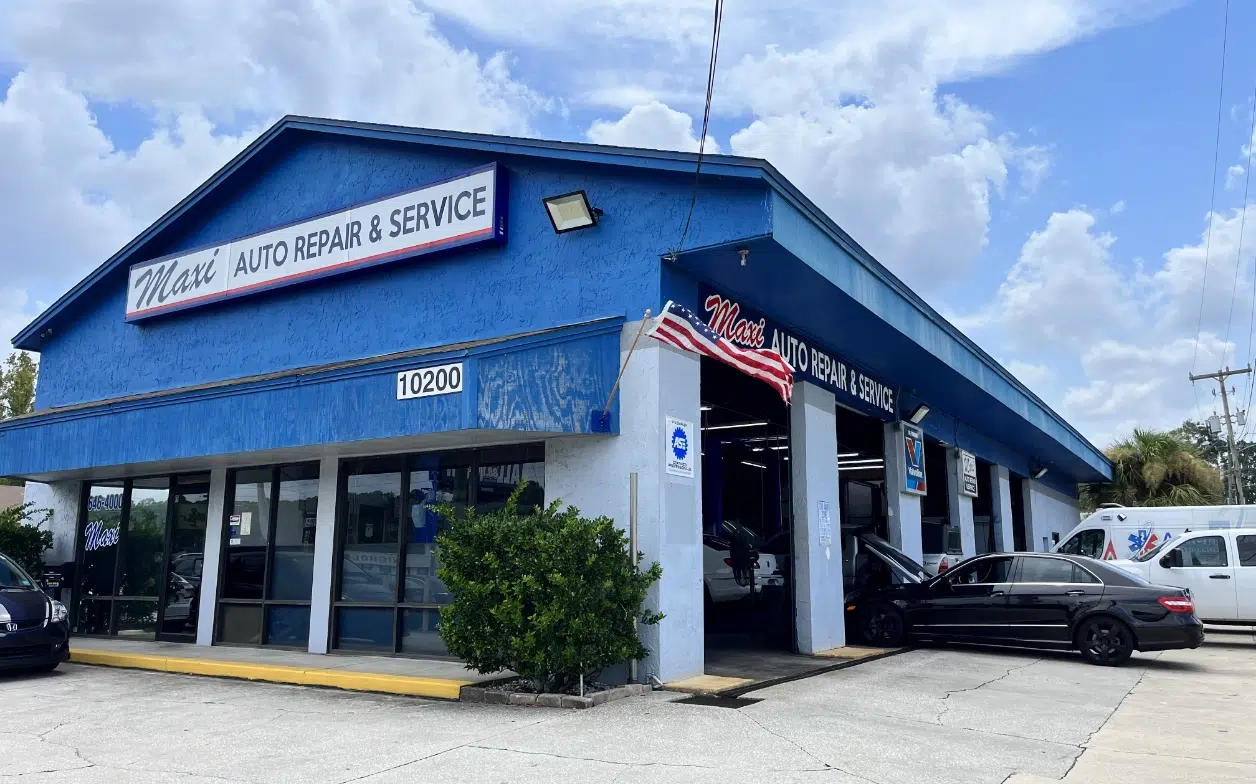
At Maxi’s Mechanics Auto Repair and Service Beach Boulevard in Southside Jacksonville, we understand the importance of regular maintenance for your vehicle’s fluids. Keeping up with fluid maintenance not only ensures optimal performance of your car but also extends its lifespan. Our team of expert technicians is dedicated to providing top-notch fluid maintenance services to keep your vehicle running smoothly.
The Importance of Regular Fluid Maintenance
Fluid maintenance is crucial for the overall health and longevity of your vehicle. Here are some key reasons why staying on top of fluid checks and changes is essential:
- Optimal Performance: Regular fluid maintenance helps your vehicle operate at its best, improving fuel efficiency and overall performance.
- Prevent Costly Repairs: Neglecting fluid changes can lead to serious damage to your vehicle’s components, resulting in expensive repairs.
- Enhanced Safety: Proper fluid levels and quality contribute to a safer driving experience by ensuring all systems are functioning correctly.
By bringing your vehicle to Maxi’s Mechanics Auto Repair and Service Beach Boulevard in Southside Jacksonville for regular fluid maintenance, you can rest assured that your car is in good hands. Our team will perform thorough checks, top off or replace fluids as needed, and provide recommendations for future maintenance to keep your vehicle in top condition.
Maxi’s Mechanics Auto Repair and Service Beach Boulevard, 10200 Beach Blvd, Jacksonville, FL 32246, +19046464000
Signs Your Vehicle Needs Fluid Refreshment
When it comes to maintaining your vehicle, paying attention to signs that indicate the need for fluid refreshment is crucial for prolonging its lifespan and ensuring optimal performance. Here are some key indicators to watch out for:
- 1. **Unusual Odors:** If you detect a burnt smell emanating from your vehicle, it could be a sign that the fluids need to be changed.
- 2. **Leaking Fluids:** Puddles of fluid under your car could signify a leak, indicating that a fluid refreshment is necessary.
- 3. **Discolored Fluids:** Fluids that appear dark or murky instead of their usual clear color may indicate contamination and the need for a change.
Regularly monitoring the condition of your vehicle’s fluids is essential in preventing damage to vital components and ensuring a smooth driving experience. By addressing these signs promptly, you can avoid costly repairs and maintain your vehicle’s efficiency.
The Process of Fluid Replacement
Fluid replacement in a vehicle is a crucial maintenance task that helps ensure optimal performance and longevity. Here are some key insights into the process:
- Fluid Inspection: Before replacing any fluids, it is essential to inspect the current fluid levels and quality to determine the appropriate course of action.
- Drainage Method: There are various drainage methods employed in fluid replacement, including gravity draining, vacuum extraction, and pump evacuation.
- Fluid Type Compatibility: It is imperative to use the correct type of fluid that is compatible with the vehicle’s specifications to prevent damage and ensure optimal performance.
Additionally, the process of fluid replacement involves purging the system of old fluid completely to avoid contamination and ensure the effectiveness of the new fluid. Proper disposal of the old fluid is also crucial to minimize environmental impact.
Regular fluid replacement helps maintain the efficiency of the vehicle’s components, reduces wear and tear, and prolongs the overall lifespan of the vehicle. It is recommended to follow the manufacturer’s guidelines for the frequency of fluid replacement to keep the vehicle running smoothly.
Fluid Exchange vs. Fluid Flush: Understanding the Difference
When it comes to maintaining your vehicle’s health, understanding the nuances between fluid exchange and fluid flush can make a significant difference in performance and longevity. Both procedures involve the removal of old fluid and replacing it with new, but the methods vary in thoroughness and effectiveness.
- Fluid Exchange:
- Focuses on removing a portion of the old fluid.
- Commonly performed using a machine that pushes new fluid in as old fluid is removed.
- Generally quicker and less expensive compared to a flush.
- Fluid Flush:
- Completely removes all old fluid from the system.
- Requires more time and specialized equipment to ensure a thorough cleaning.
- Offers a more comprehensive replacement of fluid, ideal for older vehicles or those with severe contamination.
It’s essential to consider your vehicle’s specific needs and maintenance history when deciding between a fluid exchange and a flush. While a fluid exchange may suffice for routine maintenance, a fluid flush provides a deeper clean that can benefit overall performance and component longevity in the long run. Consult with a trusted mechanic to determine the most suitable option based on your vehicle’s age, mileage, and usage patterns.
Exploring the Advantages of Professional Fluid Service
When it comes to maintaining the optimal performance of your vehicle, engaging in routine fluid services is paramount. Choosing to invest in professional fluid maintenance can lead to a myriad of benefits that extend beyond the surface level. Let’s delve into the advantages of entrusting your vehicle’s fluid service to experts:
- Enhanced Longevity: Professional fluid service helps in prolonging the lifespan of your vehicle by ensuring all essential fluids are at the appropriate levels and in good condition.
- Improved Performance: By regularly changing and monitoring your vehicle’s fluids, you can experience enhanced performance, smooth operation, and increased fuel efficiency.
- Preventative Maintenance: Professional service providers can detect potential issues early on through fluid analysis, preventing costly repairs down the line.
Additionally, professional fluid service goes beyond just changing fluids; it involves a comprehensive inspection of various components to ensure everything is functioning optimally. This holistic approach to maintenance can save you both time and money in the long run. Remember, proper fluid maintenance is not just about the present condition of your vehicle, but also about safeguarding its future performance and reliability.
Maintaining Optimal Performance Through Fluid Care
Ensuring your vehicle’s fluid levels are at their peak is crucial for maintaining top-notch performance on the road. Proper care of fluids such as engine oil, coolant, and brake fluid can significantly impact the longevity and efficiency of your car. Here are some insightful tips to keep your vehicle running smoothly:
- Regularly check and change your engine oil to prevent engine wear and maintain lubrication.
- Monitor your coolant levels and quality to prevent overheating and engine damage.
- Inspect and flush your brake fluid to ensure proper braking performance and prevent corrosion.
Fluid care is often overlooked by many car owners, but it is a fundamental aspect of vehicle maintenance that should not be underestimated. By staying on top of your fluid maintenance schedule, you can avoid costly repairs and breakdowns down the line.