Tire Rotation Southside Jacksonville: Rotating tires in the southern part of Jacksonville to ensure even wear and optimal performance
Maxi’s Mechanics Auto Repair and Service Beach Boulevard is here to assist you with all your wheel alignment and balancing needs. Proper maintenance of your vehicle’s wheel positioning is crucial for ensuring optimal performance and safety on the road. Regular wheel alignment helps prevent uneven tire wear, improves fuel efficiency, and enhances overall driving experience.
The Importance of Regular Wheel Positioning Maintenance
When it comes to vehicle maintenance, regular wheel positioning is often overlooked but plays a significant role in the longevity of your tires and overall driving experience. Here are some key points highlighting the importance of consistent wheel alignment:
- Enhances Tire Longevity: Proper wheel alignment helps distribute the vehicle’s weight evenly on all four tires, reducing uneven wear and prolonging the lifespan of your tires.
- Improves Fuel Efficiency: Misaligned wheels can cause increased rolling resistance, leading to decreased fuel efficiency. Regular alignment ensures optimal contact between tires and the road surface, improving gas mileage.
- Enhanced Safety: Correctly aligned wheels provide better handling and steering control, reducing the risk of accidents caused by poor traction or steering response.
It is recommended to have your wheel alignment checked at least once a year or if you notice any signs of misalignment, such as uneven tire wear or steering pulling to one side. Maxi’s Mechanics Auto Repair and Service Beach Boulevard in Southside Jacksonville offers professional wheel alignment services to keep your vehicle running smoothly and safely on the road.
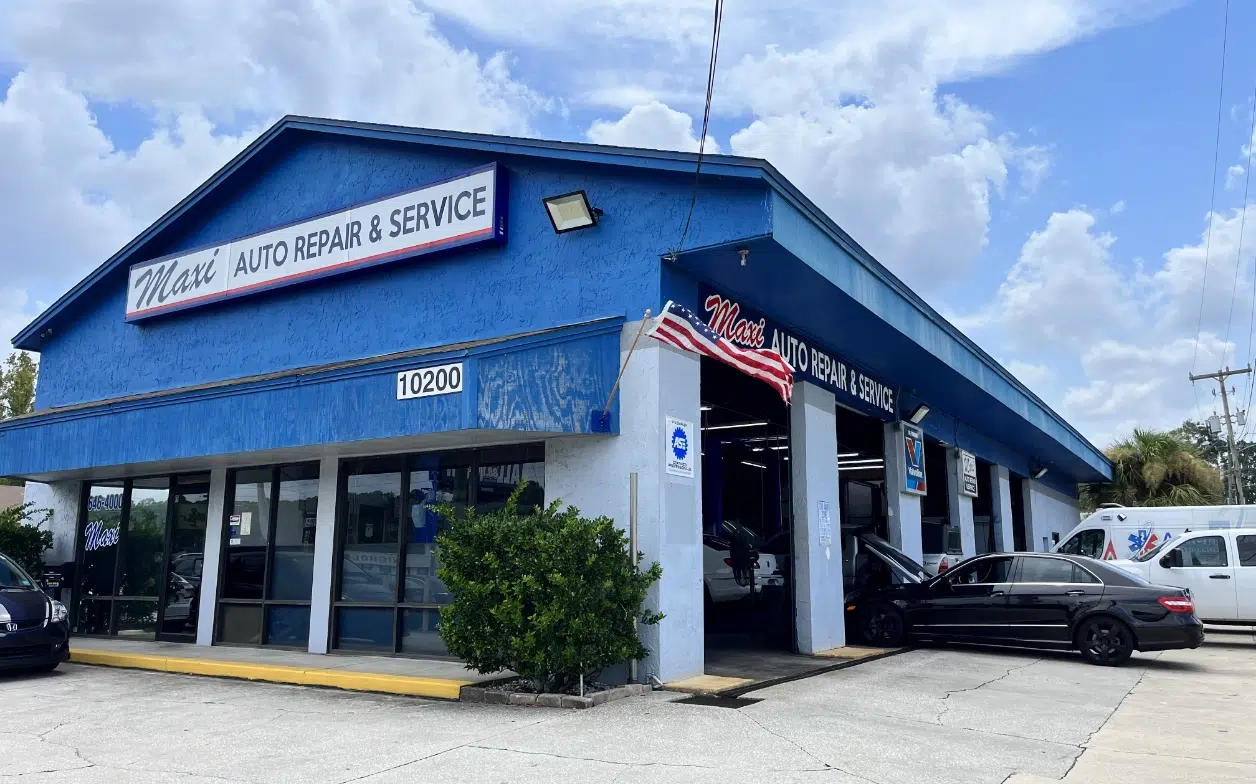
Maxi’s Mechanics Auto Repair and Service Beach Boulevard, 10200 Beach Blvd, Jacksonville, FL 32246, +19046464000
Maximizing Tire Lifespan with Proper Wheel Alignment
One crucial aspect of ensuring your tires have a long lifespan is maintaining proper wheel alignment. Misaligned wheels can lead to uneven tire wear, impacting the longevity of your tires. Here are some key points to consider:
- Regular Alignment Inspections: Schedule regular alignment inspections to catch any issues early on and prevent accelerated tire wear.
- Alignment Adjustment: If your vehicle pulls to one side or you notice uneven tire wear, it may be time for an alignment adjustment.
- Alignment Types: There are different alignment types, including front-end, thrust angle, and four-wheel alignments, each catering to specific needs.
Proper wheel alignment not only extends tire lifespan but also enhances overall vehicle performance. By ensuring your wheels are correctly aligned, you can enjoy benefits such as:
- Improved Fuel Efficiency: Correct alignment reduces rolling resistance, leading to improved fuel efficiency and cost savings.
- Enhanced Handling: Proper alignment improves vehicle handling, steering response, and overall driving experience.
- Preventing Vibrations: Misaligned wheels can cause vibrations, which can be uncomfortable for passengers and indicate potential issues.
Remember that regular maintenance, including wheel alignment checks, is key to maximizing tire lifespan and ensuring a safe and smooth driving experience.
Unlocking the Advantages of Regular Tire Position Change
Switching the position of your vehicle’s tires at regular intervals can bring about a multitude of benefits that extend beyond mere maintenance. This practice, often overlooked, can significantly enhance the performance and longevity of your tires, ensuring a smoother and safer driving experience.
- Enhanced Traction: By redistributing the wear patterns on each tire, regular position changes can improve traction on various road surfaces, especially in inclement weather conditions.
- Extended Tire Lifespan: Rotating your tires helps to promote even wear, preventing premature degradation and extending the overall lifespan of your tire set.
- Improved Fuel Efficiency: Balanced tire wear resulting from rotation can lead to enhanced fuel efficiency, saving you money in the long run.
Furthermore, regular tire position changes can also aid in identifying underlying mechanical issues such as misalignment or suspension problems, allowing for timely intervention and preventing more significant damage down the road.
The Science Behind Tire Rotation
When tires are consistently subjected to the same positions on a vehicle, they are prone to uneven wear due to varying weight distribution and driving conditions. Rotating your tires ensures that each tire bears the brunt of different stresses, promoting uniform wear and optimal performance.
- Front-to-Back Rotation: This method involves moving the front tires to the back and vice versa, allowing for even wear on all four tires.
- Cross Rotation: By switching tires diagonally, this technique can address specific wear patterns unique to each wheel.

The Science Behind Rotating Wheels for Vehicle Safety
When it comes to the maintenance of your vehicle, one crucial aspect that often gets overlooked is the regular rotation of your wheels. This practice, which involves moving the wheels from one position to another on the vehicle, plays a significant role in ensuring optimal safety and performance on the road.
- Enhances Traction: By distributing the wear on your tires more evenly, wheel rotation improves traction, especially during challenging road conditions such as wet or icy surfaces.
- Extends Tire Lifespan: Rotating your wheels regularly helps prevent uneven wear patterns, ultimately extending the lifespan of your tires and maximizing their efficiency.
- Improves Fuel Efficiency: Properly rotated wheels can lead to better fuel efficiency by maintaining consistent tread wear and reducing rolling resistance.
Additionally, wheel rotation can offer insights into potential alignment issues or mechanical problems within your vehicle. By observing the wear patterns on your tires, you can address these issues promptly, thus avoiding more extensive and costly repairs in the future.
- Expert Tip: Rotate your wheels every 6,000 to 8,000 miles to ensure optimal performance and safety.
- Expert Tip: Consider a cross-rotation pattern for your wheels to achieve the most balanced wear.
Ultimately, understanding the science behind rotating wheels is essential for maintaining your vehicle’s safety and longevity. By incorporating this practice into your regular maintenance routine, you can enjoy a smoother ride, improved handling, and peace of mind on the road.
Enhancing Vehicle Performance through Wheel Rotation Services
Regular wheel rotation is key to optimizing your vehicle’s performance and ensuring even tread wear. By utilizing this essential maintenance service, you can extend the lifespan of your tires and improve overall handling and fuel efficiency.
- Enhances traction and grip on the road
- Minimizes the risk of uneven tire wear
- Improves fuel economy by ensuring balanced tire pressure
Proper wheel rotation involves moving each tire to a different position on the vehicle in a pattern that varies based on the drivetrain configuration. This practice helps to distribute the wear more evenly across all tires, prolonging their usability and ensuring a smoother driving experience.
When tires wear down unevenly, it can lead to imbalances in the vehicle’s weight distribution, affecting handling and potentially compromising safety. By regularly rotating your wheels, you can mitigate these issues and maintain optimal performance on the road.
- Expert Tip: Rotate your tires every 6,000 to 8,000 miles or as recommended by your vehicle manufacturer
- It is advisable to have wheel alignment checked after each rotation to ensure proper balance and handling
Overall, wheel rotation services play a crucial role in maximizing the longevity and efficiency of your tires, contributing to a safer and more enjoyable driving experience. By staying proactive with this maintenance task, you can save money in the long run by avoiding premature tire replacements and costly repairs.
Professional Tips for Maintaining Tire Wear Balance
Ensuring proper balance of tire wear is crucial for maximizing the lifespan of your vehicle’s tires and enhancing overall driving performance. Here are expert tips to help you achieve optimal tire wear balance:
- Regularly Inspect Tire Pressure: Check tire pressure at least once a month to ensure they are inflated to the manufacturer’s recommended levels.
- Rotate Tires Periodically: Rotating tires every 6,000 to 8,000 miles promotes even wear and extends tire longevity.
- Alignment Checks: Schedule regular alignment checks to correct any misalignments that can lead to uneven tire wear.
Improper tire wear balance can result in reduced fuel efficiency, compromised handling, and safety risks. By following these maintenance tips, you can enhance the performance and durability of your vehicle’s tires, ultimately saving you time and money in the long run.