Keeping your car in great shape doesn’t have to mean frequent trips to the mechanic or expensive repairs. With a simple, repeatable at-home routine, you can stay on top of your vehicle’s maintenance, prevent costly problems, and drive safely and confidently.
In this guide, we’ll outline a DIY monthly car care checklist covering fluids, tires, filters, lights, and more. By dedicating just a few minutes each month, you can extend your car’s lifespan, improve performance, and even save money at the pump.
Why a Monthly Routine Matters
Cars are complex machines, but many common issues are preventable with regular checks. Waiting until something breaks often leads to expensive repairs, decreased fuel efficiency, or even dangerous situations on the road.
A monthly routine offers several benefits:
- Early detection of problems like leaks, worn parts, or low fluids.
- Improved safety by keeping brakes, tires, and lights in top condition.
- Cost savings through longer-lasting parts and fewer emergency repairs.
- Better fuel efficiency by keeping tires inflated and the engine running smoothly.
Even small, consistent actions make a big difference over time. Let’s dive into a step-by-step DIY checklist you can follow every month.
1. Check Your Tires
Your tires are your car’s only contact with the road, making them one of the most important components to monitor.
What to Check
- Tire Pressure: Use a tire pressure gauge to ensure each tire, including the spare, matches the manufacturer-recommended PSI (usually found on the driver’s door jamb or owner’s manual).
- Tread Depth: Insert a penny into the tread grooves. If Lincoln’s head is partially covered, your tires are in good shape. If not, it may be time to replace them.
- Uneven Wear: Look for bald spots or irregular patterns. Uneven wear can indicate alignment issues, improper inflation, or suspension problems.
- Visible Damage: Check for cracks, bulges, or foreign objects lodged in the tire.
Quick Tip
Rotate your tires every 5,000–7,000 miles to promote even wear and extend their lifespan.
2. Inspect and Top Up Fluids
Your car relies on several fluids to operate efficiently. Low or dirty fluids can damage your vehicle and reduce performance.
Key Fluids to Check
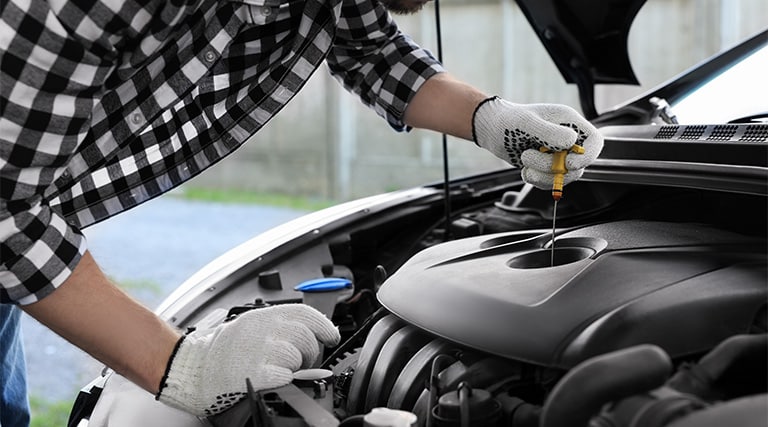
- Engine Oil:
- Pull the dipstick, wipe it clean, reinsert, and then check the level.
- Oil should be amber and smooth. Dark, gritty oil may need a change.
- Coolant/Antifreeze:
- Check the level in the reservoir while the engine is cold.
- Ensure it’s between the minimum and maximum lines.
- Brake Fluid:
- Low brake fluid can reduce braking efficiency.
- Top off with the correct type of fluid as specified in your owner’s manual.
- Transmission Fluid (if applicable):
- Only check when the engine is warm and running, unless your car has a sealed system.
- Healthy fluid is red or pink; dark brown or burnt smells indicate it’s time for a change.
- Windshield Washer Fluid:
- Keep it full for clear visibility, especially during bad weather.
Quick Tip
Carry small, labeled containers of essential fluids in your garage for quick top-ups between full maintenance checks.
3. Examine Filters
Filters protect your engine, cabin, and fuel system from debris and contaminants. Neglecting them can reduce performance and efficiency.
Filters to Inspect
- Air Filter:
- Remove and check for dirt and dust.
- Replace every 12,000–15,000 miles or sooner if it looks clogged.
- Cabin Air Filter:
- Keeps air inside your car clean.
- Inspect monthly and replace as needed.
- Fuel Filter:
- Usually replaced at manufacturer-recommended intervals, but check for leaks or damage.
Quick Tip
A clean filter improves air circulation, engine performance, and cabin comfort.
4. Lights and Electrical Systems
Functioning lights are essential for safety and legal compliance.
Monthly Checks
- Headlights, Brake Lights, and Turn Signals:
- Check each light individually; ask a friend to help if needed.
- Check each light individually; ask a friend to help if needed.
- Hazard Lights:
- Ensure they blink correctly.
- Ensure they blink correctly.
- Interior Lights:
- Check dashboard, cabin, and trunk lights for visibility.
Quick Tip
Replace bulbs promptly when they burn out to maintain optimal safety.
5. Inspect Belts and Hoses
Belts and hoses keep your engine running smoothly and prevent overheating or mechanical failure.
What to Look For
- Belts:
- Check for cracks, fraying, or glazing.
- Tighten if loose or replace if worn.
- Hoses:
- Look for leaks, soft spots, or bulges.
- Ensure clamps are secure and connections tight.
Quick Tip
If a belt or hose shows signs of wear, replace it before it fails to avoid a breakdown.
6. Check Brakes
Brakes are one of the most critical safety components of your car.
How to Inspect
- Listen for noises: Squealing or grinding can indicate worn brake pads.
- Feel the brake pedal: Spongy or uneven resistance may signal a problem with fluid or pads.
- Visual Check: Look through the wheel spokes for pad thickness.
Quick Tip
Brake issues shouldn’t wait—schedule a professional inspection if you notice any irregularities.
7. Clean Your Car
Monthly maintenance isn’t just mechanical—it also includes keeping your car clean.
Benefits of Cleaning
- Protects paint and prevents rust.
- Keeps headlights and taillights clear for visibility.
- Reduces wear on interior surfaces.
Quick Tip
Wipe down your dashboard, mirrors, and windows monthly to improve visibility and comfort.
8. Monitor Battery Health
Your car battery powers everything from the engine to lights and infotainment.
At-Home Checks
- Look for corrosion on terminals.
- Ensure cables are tight.
- Test with a multimeter—healthy batteries usually read 12.6 volts or higher when the car is off.
Quick Tip
If your battery is over three years old or shows signs of weakness, consider replacement before it fails.
9. Tire Pressure and Alignment
While we mentioned tire checks earlier, monthly attention to pressure and alignment ensures safety and efficiency:
- Inflate tires to manufacturer-recommended PSI.
- Adjust if low or high.
- Watch for uneven wear, which may indicate misalignment.
Quick Tip
Maintaining proper pressure improves fuel efficiency and prevents premature tire wear.
10. Keep a Maintenance Log
Tracking your monthly checks helps you stay organized and prevents missed tasks.
What to Include
- Date of inspection.
- Fluid levels and any top-ups.
- Tire pressure and tread depth.
- Any parts replaced or issues observed.
Quick Tip
A simple notebook or smartphone app works perfectly for a DIY maintenance log.
Putting It All Together: Your Monthly Checklist
Here’s a ready-to-use monthly car care checklist:
- Tires: Check pressure, tread depth, and overall condition.
- Fluids: Inspect and top off oil, coolant, brake fluid, transmission fluid, washer fluid.
- Filters: Check air, cabin, and fuel filters.
- Lights: Headlights, brake lights, turn signals, hazard lights, interior lights.
- Belts & Hoses: Inspect for cracks, wear, leaks, or loose connections.
- Brakes: Listen, feel, and visually inspect pads and rotors.
- Battery: Clean terminals, tighten connections, test voltage.
- Clean Car: Exterior wash, interior wipe-down, clear mirrors and windows.
- Alignment & Handling: Watch for pulling, vibrations, or uneven wear.
- Log Maintenance: Record all checks, actions, and observations.
By dedicating just 30–60 minutes a month, you can cover all these tasks and prevent costly surprises.
Final Thoughts
A monthly DIY car care routine empowers you to take control of your vehicle’s health. These checks are simple, cost-effective, and help you catch problems before they escalate into expensive repairs.
By monitoring tires, fluids, filters, brakes, and other key components, you not only extend your car’s life but also enhance your safety, comfort, and fuel efficiency.
Remember: consistent, small actions pay off more than infrequent, intensive maintenance. Make this monthly routine a habit, and your car will reward you with years of reliable performance.
Quick Recap: Monthly Car Care Essentials
✅ Check tires, including pressure, tread, and spare.
✅ Inspect and top off all fluids.
✅ Examine air, cabin, and fuel filters.
✅ Test all lights and electrical systems.
✅ Inspect belts and hoses.
✅ Check brakes for sound and pedal feel.
✅ Maintain battery health.
✅ Clean interior and exterior.
✅ Watch for alignment or handling issues.
✅ Record everything in a maintenance log.