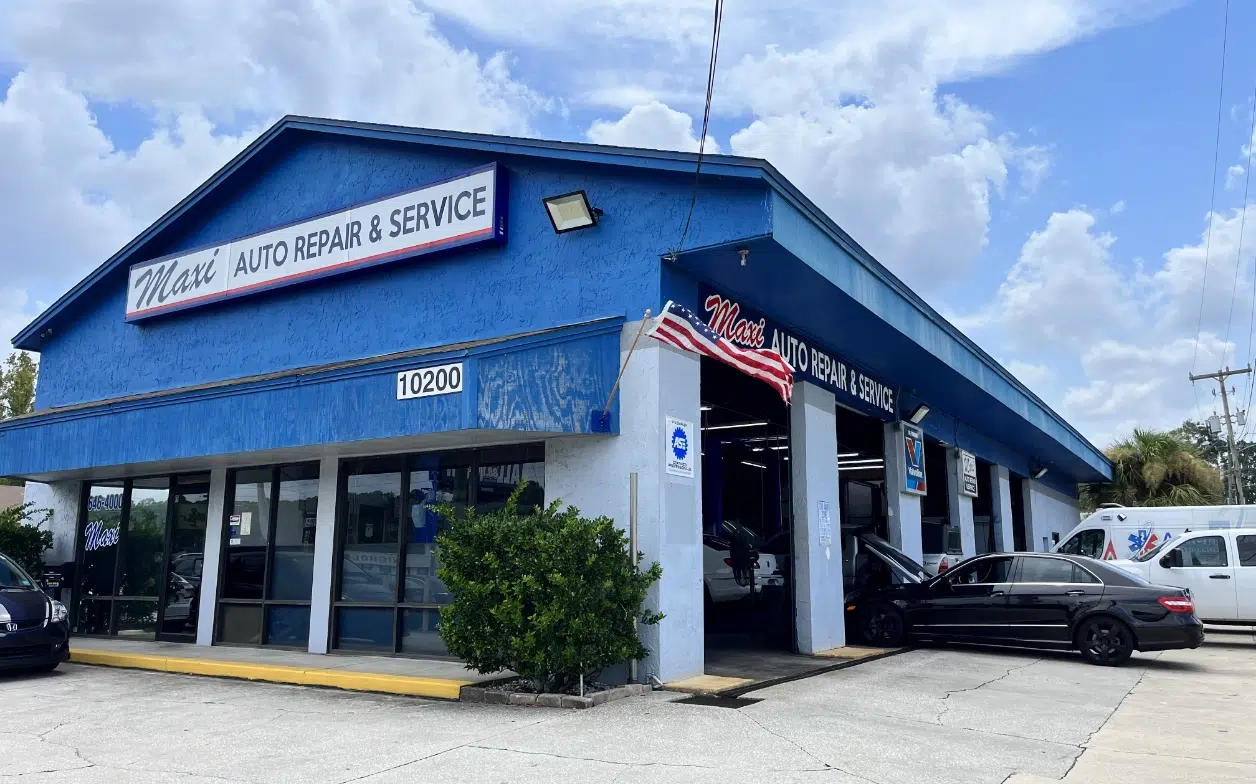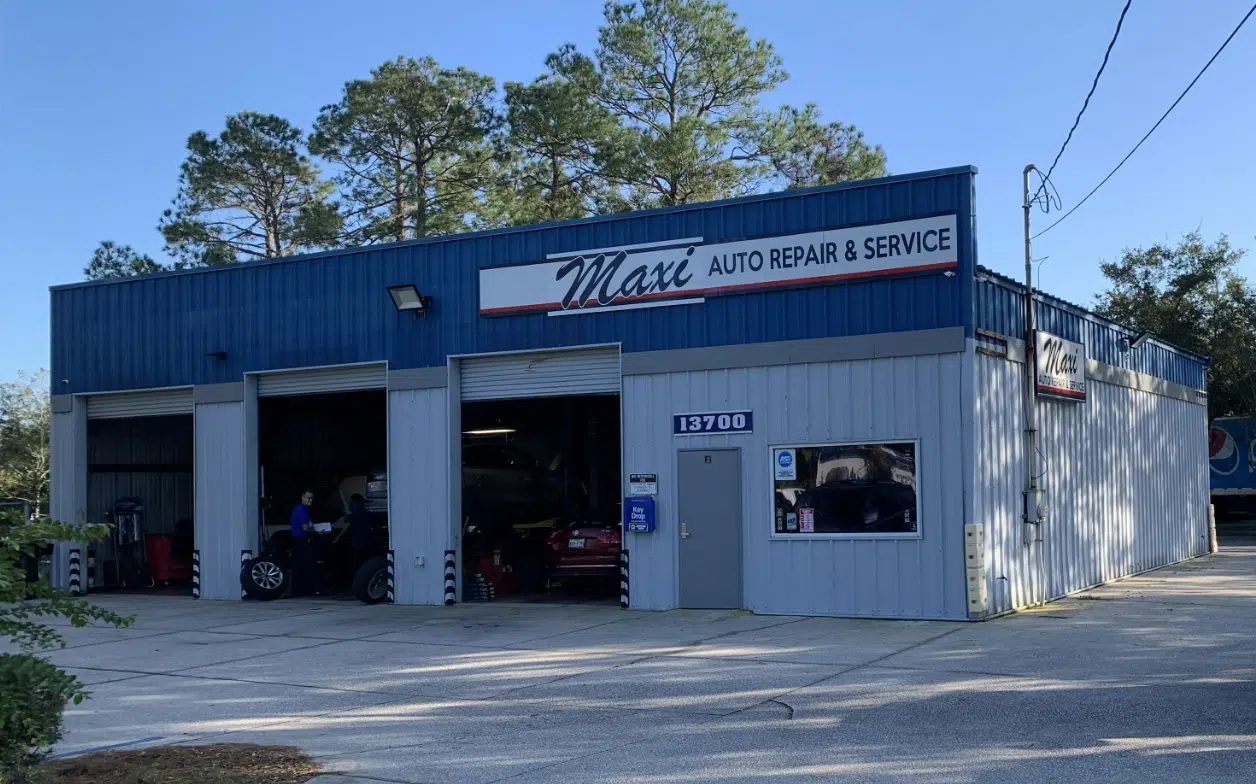
Mazda vehicles like the CX-5 and Mazda3 are among the most reliable cars on Jacksonville roads, but they still require specialized maintenance to keep performing at their best. While Mazdas consistently rank high in dependability surveys, their unique SKYACTIV engine technology and GF-series transmissions need technicians who understand the brand’s engineering philosophy. At Maxi’s Mechanics, our ASE-certified team has serviced Mazda vehicles across Jacksonville since 2003, from Arlington to Riverside to the Beaches.[1]
Why Do Mazda Vehicles Need Specialized Repair in Jacksonville?
Mazda’s SKYACTIV technology uses higher compression ratios and unique fuel-injection timing that require specific diagnostic tools and maintenance protocols not all general repair shops possess. The SKYACTIV-G gasoline engines run compression ratios of 13:1 or higher — significantly more than most manufacturers — which demands precise ignition timing and high-quality fuel to prevent carbon buildup.[2] Jacksonville’s heat and humidity accelerate wear on seals and hoses, making routine inspections even more critical for Mazda owners.
The CX-5 and Mazda3 also feature the GF 6-speed automatic transmission, which requires Mazda-specific ATF-FZ fluid changes every 60,000 miles under normal conditions — or every 30,000 miles if you frequently drive in stop-and-go Jacksonville traffic or tow loads.[3] Using incorrect fluid types can cause shift hesitation and premature clutch pack wear. Our diagnostic equipment reads Mazda-specific trouble codes that generic scan tools often miss, allowing us to identify issues before they become expensive repairs.
What Are the Most Common Mazda CX-5 and Mazda3 Repairs We See?
The most frequent Mazda repairs at our Jacksonville shops involve ignition coils, carbon buildup on intake valves, and rear brake calipers seizing due to Florida’s salt air. CX-5 models from 2013-2016 experience higher ignition coil failure rates, typically showing up as misfires on cylinders 2 and 4.[4] Mazda3 vehicles with the 2.0L SKYACTIV engine can develop carbon deposits on intake valves after 80,000 miles because direct injection doesn’t wash fuel over the valves like port injection does. We perform walnut shell blasting to remove these deposits without damaging valve surfaces.
Jacksonville’s coastal environment is particularly hard on brake components. We regularly replace rear calipers on CX-5s and Mazda3s driven near Jacksonville Beach or Atlantic Beach, where salt spray corrodes the caliper slides and causes uneven pad wear. Rust on brake rotors also forms quickly in our humid climate, so we recommend inspections every 10,000 miles rather than waiting for the dashboard warning light. Our Mazda service experience means we stock OEM-equivalent parts for faster turnaround times at our four locations.
How Often Should You Service a Mazda in Jacksonville’s Climate?
Mazda recommends oil changes every 7,500 miles, but Jacksonville’s extreme heat and humidity qualify as “severe service” conditions, meaning you should service your vehicle every 5,000 miles instead. Florida’s heat accelerates oil breakdown, particularly in turbocharged models like the CX-5 Turbo and Mazda3 Turbo, where engine oil temperatures routinely exceed 240°F during summer commutes on I-95 or JTB.[5] Using the correct 0W-20 synthetic oil (or 5W-30 in SKYACTIV-D diesel models) is critical for maintaining proper piston ring seal at these high compression ratios.
Beyond oil changes, Jacksonville Mazda owners should follow this maintenance schedule:
- Every 30,000 miles: Transmission fluid inspection (change if towing or city driving), cabin air filter, brake fluid flush
- Every 60,000 miles: Spark plugs (iridium plugs last longer but still degrade), coolant flush, transmission fluid change
- Every 100,000 miles: Timing chain inspection (SKYACTIV engines use chains, not belts), valve cover gasket replacement
We’ve seen Mazda engines run past 200,000 miles with proper maintenance, but skipping services in Jacksonville’s climate shortens lifespan significantly. The i-ELOOP regenerative braking system on higher-trim CX-5 models also requires capacitor health checks every 50,000 miles to ensure the system charges properly.[6]
| Service Interval | Standard Conditions | Jacksonville (Severe) | Why It Matters |
|---|---|---|---|
| Oil Change | 7,500 miles | 5,000 miles | Heat accelerates oil breakdown |
| Transmission Fluid | 60,000 miles | 30,000 miles | Stop-and-go traffic increases heat |
| Brake Inspection | 15,000 miles | 10,000 miles | Salt air corrodes caliper components |
| Cabin Air Filter | 30,000 miles | 15,000 miles | Pollen and humidity clog filters faster |
| Coolant Flush | 100,000 miles | 60,000 miles | High temps degrade coolant additives |
What Should You Do When Your Mazda Check Engine Light Comes On?
A check engine light in your Mazda CX-5 or Mazda3 usually indicates issues with the oxygen sensors, catalytic converter, or evaporative emissions system — all of which require professional diagnosis to prevent damage. Mazda’s advanced OBD-II system stores manufacturer-specific trouble codes that won’t display on basic code readers available at auto parts stores. Our check engine light diagnostics use Mazda-certified scan tools that read live data streams from the powertrain control module, allowing us to identify intermittent issues before they cause driveability problems.
Common check engine light causes in Jacksonville Mazdas include failing oxygen sensors after 100,000 miles (often triggered by ethanol-blended fuel), loose gas caps after refueling at Jacksonville stations, and evaporative emission system leaks from cracked purge valve hoses.[7] Ignoring the light can damage your catalytic converter, which costs $1,200-$1,800 to replace on a CX-5 compared to $150-$300 for an oxygen sensor. We provide free check engine light scans at all four Jacksonville locations to help you understand the issue before committing to repairs.
Why Choose an Independent Mazda Mechanic Over the Dealership?
Independent Mazda specialists like Maxi’s Mechanics provide the same expertise as dealership service departments at 30-40% lower labor rates, without the pressure to sell unnecessary services. Our ASE-certified Master Technicians receive ongoing training on Mazda systems, and we use OEM-equivalent parts that meet or exceed factory specifications. Dealership labor rates in Jacksonville average $140-$160 per hour; our rates are $95-$115 per hour for the same quality work, and we back it with a 3-Year/36,000-Mile Nationwide Warranty that’s honored at over 10,000 shops across the country.[8]
We also understand Jacksonville driving patterns better than national chain shops. If you commute from Mandarin to downtown on I-295, we know your brake pads wear differently than someone making short trips around San Marco. Our technicians live and work in these neighborhoods — we service our own Mazdas at these same shops. You’ll find our Beach Boulevard, Riverside, and Hodges locations convenient no matter where you live in Jacksonville.
Call (844) 297-8529 or visit https://maxiautorepair.com/contact/ to schedule at one of our 4 Jacksonville locations. Backed by our 3-Year/36,000-Mile Nationwide Warranty.
Frequently Asked Questions
How long do Mazda CX-5 and Mazda3 vehicles typically last in Jacksonville?
With proper maintenance, Mazda CX-5 and Mazda3 models routinely exceed 200,000 miles in Jacksonville’s climate. The SKYACTIV engines are designed for longevity, but following the severe service maintenance schedule is essential due to Florida’s heat and humidity.
Can I use synthetic oil in my older Mazda model?
Yes, synthetic oil is actually recommended for all SKYACTIV engines (2012 and newer) and beneficial for older Mazda models as well. Synthetic oil handles Jacksonville’s high temperatures better than conventional oil and provides superior protection during cold starts on rare cool mornings.
What causes the rattle noise when starting a Mazda CX-5?
A rattling sound on cold starts in CX-5 models often indicates a failing variable valve timing (VVT) actuator or low oil pressure reaching the timing chain. This requires immediate diagnosis to prevent timing chain damage, which can lead to catastrophic engine failure if ignored.
Do I need to use Mazda-brand parts for repairs?
No, high-quality OEM-equivalent parts perform identically to Mazda-branded components at lower cost. We use parts that meet or exceed Mazda specifications and back them with our 3-year warranty, giving you dealership quality without dealership pricing.
How much does typical Mazda maintenance cost in Jacksonville?
Basic oil changes at our shops run $60-$85 depending on your model, while major 60,000-mile services (transmission fluid, spark plugs, coolant) cost $450-$650 for most CX-5 and Mazda3 vehicles. This is 30-40% less than Jacksonville dealership rates for identical work.
Need reliable auto repair for your Mazda? Call (844) 297-8529 or visit https://maxiautorepair.com/contact/ to schedule at one of our 4 Jacksonville locations. Backed by our 3-Year/36,000-Mile Nationwide Warranty.
Written by Maxi’s Mechanics Service Team — ASE-Certified Master Technicians | Veteran-Owned Auto Repair | Serving Jacksonville FL Since 2003. Updated March 2026.
References
- Consumer Reports. 2025 Auto Reliability Survey. https://www.consumerreports.org/cars/car-reliability-owner-satisfaction/
- Mazda Motor Corporation. SKYACTIV Technology Overview: High-Compression Engine Design. https://www.mazda.com/en/innovation/technology/skyactiv/
- Mazda North American Operations. CX-5 Owner’s Manual: Maintenance Schedule. https://www.mazdausa.com/owners/expert-care
- National Highway Traffic Safety Administration. Mazda CX-5 Technical Service Bulletins 2013-2016. https://www.nhtsa.gov/vehicle
- Society of Automotive Engineers. Severe Service Driving Conditions and Maintenance Intervals. https://www.sae.org/standards/
- Mazda Motor Corporation. i-ELOOP Regenerative Braking System Technical Manual. https://www.mazda.com/en/innovation/technology/safety/
- U.S. Environmental Protection Agency. OBD-II Check Engine Light Common Causes. https://www.epa.gov/vehicle-emissions
- Automotive Service Association. 2025 Independent Repair Shop Industry Study. https://www.asashop.org/