Jacksonville Beach Area Auto Repair: Keeping Beach Community Cars Running: Ensuring the smooth operation of vehicles in the coastal community of Jacksonville, Florida
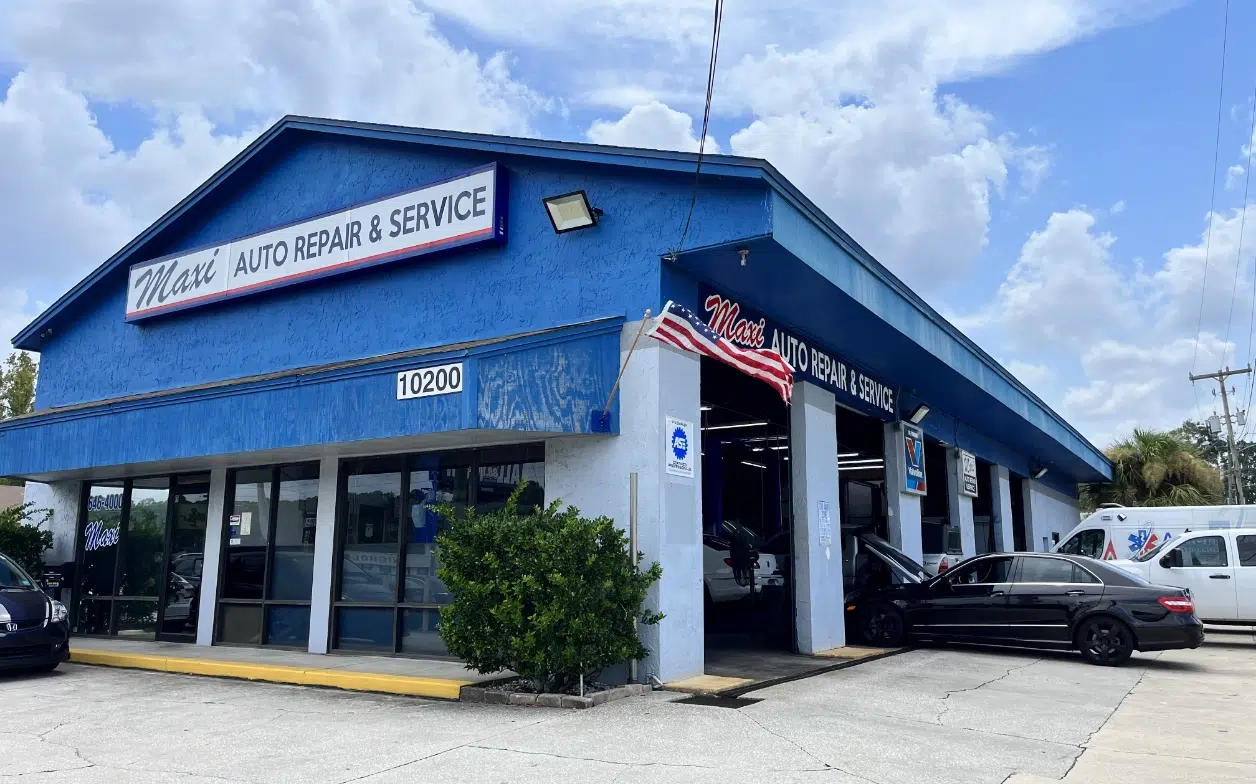
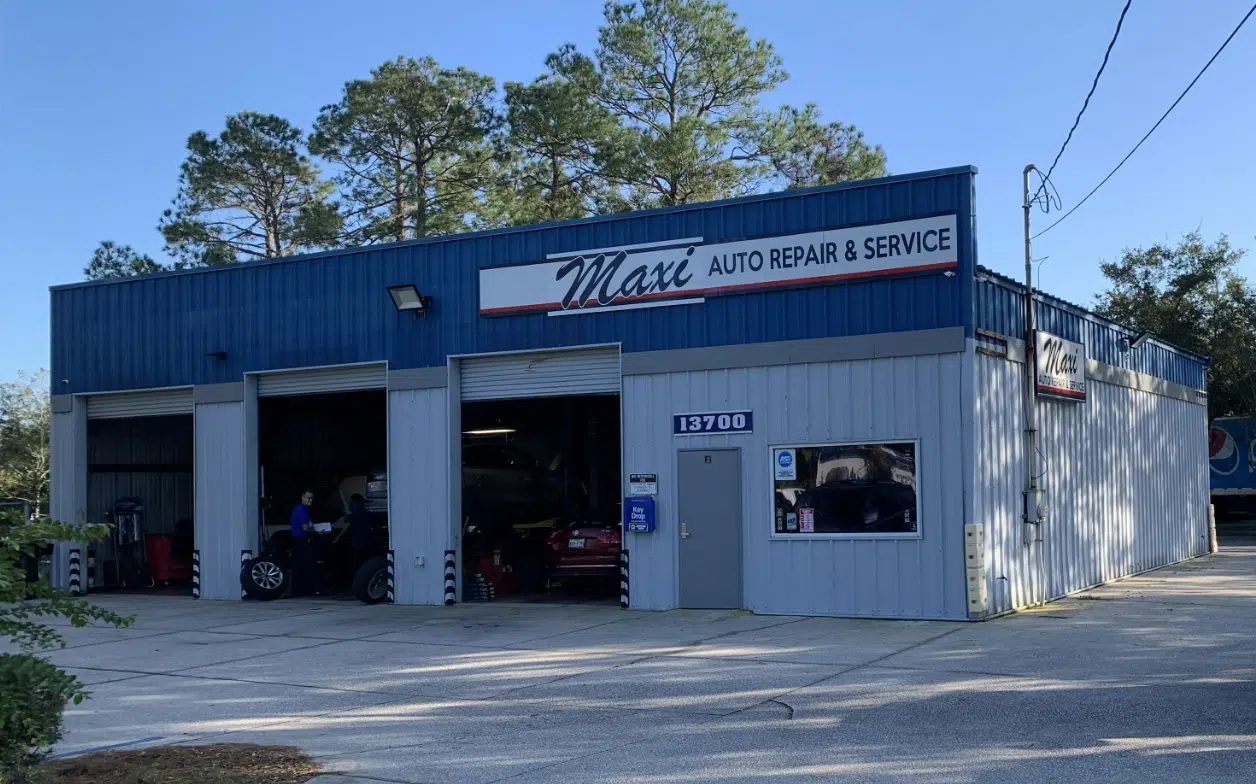
This section is dedicated to providing expert advice on essential auto maintenance for residents in the beautiful Jacksonville Beach area. If you are seeking reliable assistance with your vehicle maintenance needs in this coastal community, look no further than Maxi’s Mechanics Auto Repair and Service in Jacksonville, FL.
Importance of Regular Vehicle Maintenance
When it comes to ensuring the longevity and efficiency of your vehicle, regular maintenance is crucial. Here are some key components of auto maintenance that can help keep your car running smoothly in the Jacksonville Beach area:
- Regular Oil Changes
- Tire Inspections and Rotations
- Brake System Checks
By keeping up with these maintenance tasks, you can prevent costly repairs and breakdowns, ensuring that your vehicle remains reliable and safe for your travels in the beach community. Additionally, staying on top of your auto maintenance schedule can help improve fuel efficiency and overall performance, saving you money in the long run.
For more information – Click Here
Common Car Issues in Coastal Communities
Living near the coast brings unique challenges to vehicle maintenance due to the harsh coastal environment. Here are some common car issues to be aware of:
- Corrosion: The salty sea air can accelerate rusting on metal parts such as the undercarriage and brake components.
- Electrical Problems: Moisture from the sea air can lead to electrical issues like corroded wiring and malfunctioning sensors.
- Paint Damage: Constant exposure to salt can cause paint to fade and chip, requiring regular touch-ups to maintain appearance.
It’s essential for coastal community residents to take proactive measures to protect their vehicles. Here are some expert tips:
- Rinse Your Car Regularly: Washing off salt residue can help prevent corrosion and damage to the paint.
- Apply Wax: Waxing your car creates a protective barrier against salt and other environmental elements.
- Check Undercarriage: Regularly inspecting the undercarriage for signs of rust can help address corrosion early on.
While coastal living offers many benefits, it’s crucial to be aware of the specific challenges it presents for vehicle maintenance. By staying informed and taking preventive measures, you can keep your car running smoothly in a coastal community.
Maximizing Vehicle Performance in Jacksonville, FL
When it comes to ensuring your vehicle operates at its peak performance in the vibrant city of Jacksonville, Florida, there are several key factors to consider that can significantly impact the longevity and efficiency of your car. The following expert tips and insights delve into the intricacies of maximizing your vehicle’s performance in this coastal region:
- Regular Fluid Checks: Monitoring essential fluids such as oil, coolant, and transmission fluid is crucial in maintaining optimal engine function and preventing costly repairs.
- Air Filter Maintenance: Keeping your air filter clean and replacing it at recommended intervals can improve fuel efficiency and engine longevity.
- Tire Pressure Monitoring: Maintaining proper tire pressure not only enhances fuel economy but also ensures safe handling and traction on Jacksonville’s diverse road surfaces.
In the dynamic Jacksonville environment, vehicle performance can be influenced by factors such as humidity, temperature fluctuations, and coastal breezes. By staying proactive and attentive to your car’s needs, you can enjoy smooth rides and reliable transportation throughout this bustling Florida city.

Expert Tips for Protecting Your Vehicle’s Finish in Coastal Climates
Living in a beachside community offers a unique charm, but it also presents challenges when it comes to maintaining your vehicle’s exterior. The salty sea air, intense sunlight, and sand can wreak havoc on your car’s paint job and overall appearance. Here are some expert tips to help you preserve your car’s exterior in beach environments:
- Regularly Wash Your Car: Rinse off salt residue and sand to prevent corrosion and damage to the paint.
- Apply Wax: A coat of wax acts as a protective barrier against the elements, including UV rays and salt.
- Invest in a Car Cover: When not in use, covering your vehicle can shield it from the harsh coastal elements.
Moreover, consider using ceramic coatings to provide long-lasting protection against salt spray and sand abrasion. These coatings create a hydrophobic layer that repels water and contaminants, making cleaning easier and offering superior durability.
Regularly inspect your car’s exterior for signs of rust, chipping paint, or other damage. Addressing these issues promptly can prevent them from worsening and protect your vehicle’s resale value. By following these tips and staying proactive in caring for your car, you can enjoy a well-maintained vehicle that thrives in the beach environment.
Understanding Environmental Factors Impacting Car Maintenance Near Coastal Regions
Living near the coast provides a unique set of challenges when it comes to maintaining your vehicle. The salt-laden air, intense sunlight, and fluctuating humidity levels can all take a toll on your car’s longevity and performance. Here are some key environmental factors to consider:
- Corrosive Effects of Saltwater: Coastal areas are prone to saltwater spray, which can accelerate rusting of metal components on your vehicle.
- UV Damage: The intense sunlight near the coast can lead to fading and deterioration of paint, rubber, and plastic parts on your car.
- Increased Humidity: High humidity levels can promote the growth of mold and mildew inside your vehicle, affecting air quality and causing unpleasant odors.
When it comes to combating these environmental factors, proactive measures can make a significant difference in extending the lifespan of your vehicle. Regular washing and waxing can help protect your car’s exterior from salt and UV damage. Using a dehumidifier or moisture absorber inside your car can reduce the risk of mold growth.
Additionally, scheduling regular inspections with a qualified mechanic can help catch any early signs of corrosion or damage caused by environmental factors. By staying vigilant and addressing issues promptly, you can ensure that your vehicle remains in optimal condition despite the challenges of coastal living.
The Significance of Timely Maintenance for Vehicles in Coastal Areas
Living in a seaside community presents unique challenges for vehicles due to the corrosive nature of salt in the air, which accelerates wear and tear on essential components. Ensuring timely repairs and maintenance for beach community cars is crucial for prolonging their lifespan and preserving optimal performance.
- Regular inspections are imperative to identify early signs of corrosion on metal parts, such as brake lines and exhaust systems.
- Timely replacement of air filters is essential to prevent sand and debris from clogging the engine, leading to decreased efficiency.
- Utilizing specialized rust inhibitors during maintenance can significantly reduce the impact of saltwater exposure on the undercarriage of vehicles.
Moreover, coastal regions often experience higher humidity levels, which can contribute to the formation of mold and mildew inside car interiors. Hence, it is recommended to periodically clean and inspect the HVAC system to prevent musty odors and maintain air quality.
- Regularly washing the vehicle, including the undercarriage, helps remove salt residue and sand particles that can cause corrosion.
- Applying a protective wax coating provides an additional barrier against saltwater and UV rays, preserving the exterior paint.