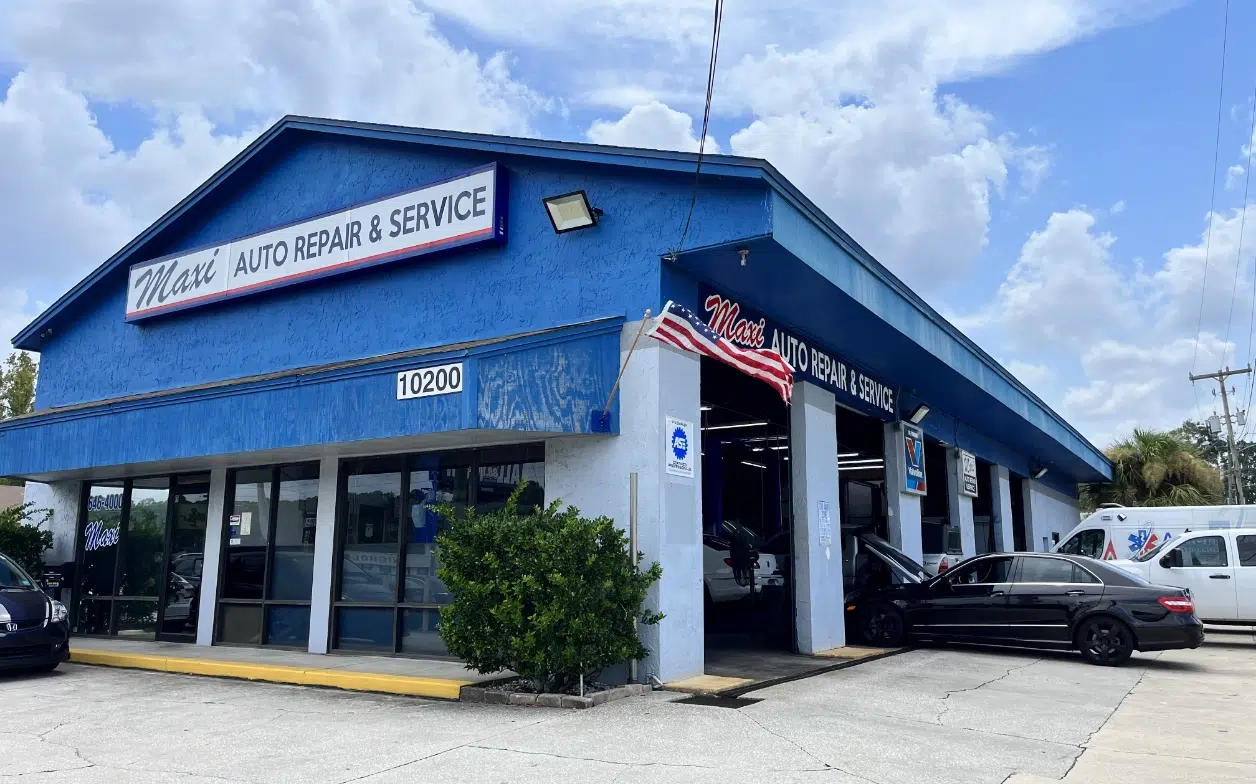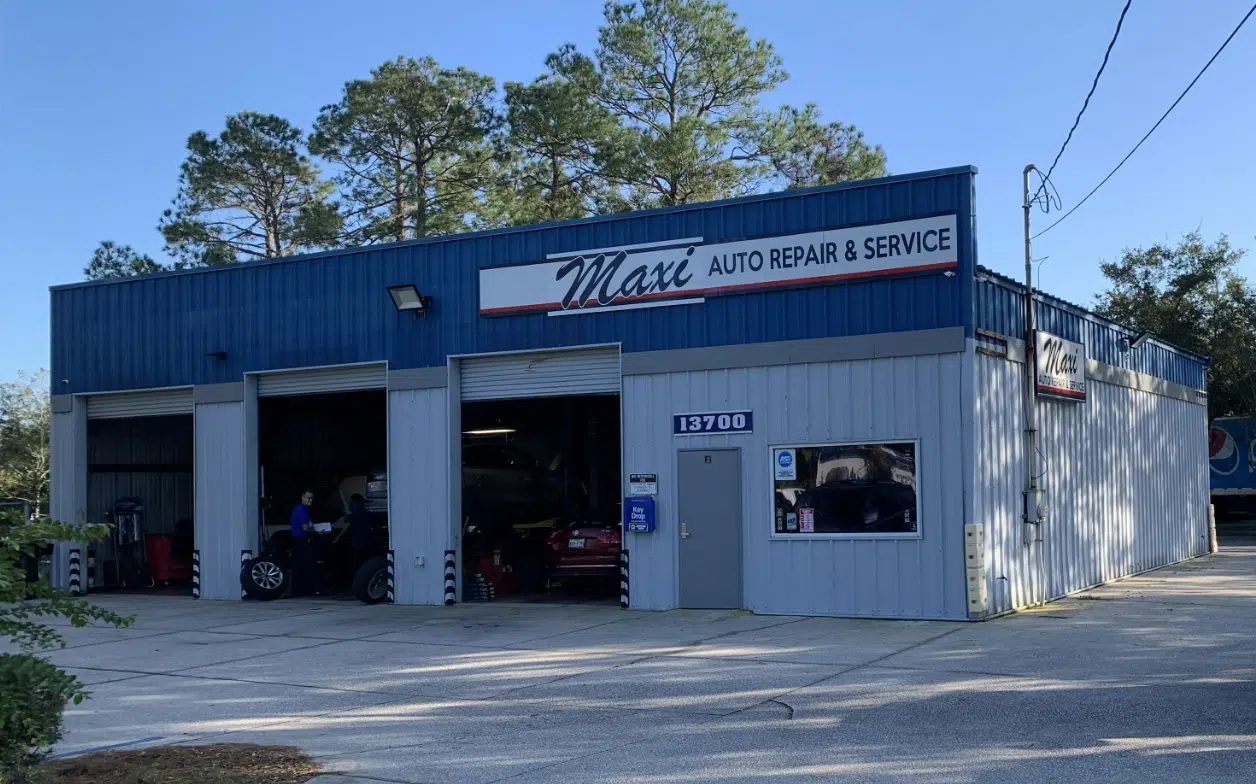
Hybrid vehicle service in Jacksonville FL requires specialized diagnostic equipment, high-voltage battery training, and technicians certified in dual-powertrain systems. Unlike conventional cars, hybrids integrate gasoline engines with electric motors, regenerative braking, and lithium-ion or nickel-metal hydride battery packs that demand distinct maintenance protocols. Maxi’s Mechanics operates four Jacksonville locations equipped with manufacturer-level scan tools and ASE-certified Master Technicians trained in Toyota, Honda, Ford, and Hyundai hybrid systems.[1]
What Makes Hybrid Car Maintenance Different from Traditional Vehicles?
Hybrids eliminate traditional starter motors, alternators, and conventional transmissions, replacing them with electric motor-generators, high-voltage inverters, and eCVT or dual-clutch systems. This fundamental architecture shift creates unique service requirements Jacksonville drivers must understand.[2]
The regenerative braking system converts kinetic energy into electricity, reducing brake pad wear by 30–50% compared to gas-only cars. However, brake fluid still requires flushing every three years due to moisture absorption that can corrode the hydraulic control unit. Engine oil change intervals often extend to 10,000 miles on synthetic blends, but cooling system maintenance becomes critical — hybrids use separate coolant loops for the engine, inverter, and battery pack. A clogged inverter coolant circuit can trigger overheating codes and force the vehicle into limp mode during Jacksonville’s humid summers.[3]
Battery thermal management systems circulate cabin air through the high-voltage pack on many Toyota and Honda models. Clogged cabin air filters — common in Jacksonville’s pollen-heavy spring months — restrict airflow, causing battery temperature warnings. Our diagnostic services include battery pack health scans using manufacturer-specific software that measures individual cell voltages and internal resistance, identifying weak modules before they trigger check engine lights.
Do Hybrid Batteries Really Last, and What Do Replacements Cost in Jacksonville?
Modern hybrid batteries typically last 150,000–200,000 miles, with Toyota Prius models in Jacksonville regularly exceeding 250,000 miles on original packs. Florida’s heat accelerates degradation compared to northern climates, but proper cooling system maintenance and avoiding repeated full discharges extend lifespan significantly.[4]
Replacement costs vary by model: Toyota Prius batteries range $1,800–$2,400 for remanufactured packs with warranties, while Honda Accord Hybrid batteries run $2,200–$2,800. Ford Escape Hybrid packs cost $2,500–$3,200. These figures include installation and high-voltage safety protocols required by OSHA standards. Dealerships often quote $4,000–$6,000 for the same service.[5]
Our techs perform battery capacity testing during routine service using discharge cycle analyzers. When capacity drops below 70%, fuel economy noticeably declines and the gasoline engine runs more frequently. We provide written reports showing state-of-charge retention and recommend replacement timing based on your driving patterns. Many Jacksonville Prius owners continue driving with 65% capacity for commuting but replace batteries before long road trips to Georgia or the Carolinas.
Which Hybrid Models Do You Service, and What About Plug-In Hybrids?
Maxi’s Mechanics services all Toyota (Prius, Camry, RAV4, Highlander), Honda (Insight, Accord, CR-V), Ford (Escape, Fusion, Maverick), Hyundai (Sonata, Tucson), and Kia (Niro, Sportage) hybrid models. We also handle plug-in hybrids (PHEVs) including Toyota RAV4 Prime, Honda Clarity, and Ford Escape PHEV, which add Level 2 charging system diagnostics and larger battery packs to standard hybrid service needs.[1]
Plug-in hybrids require additional attention to the onboard charger module, charging port, and 240-volt electrical connections. Corrosion in charging ports — accelerated by Jacksonville’s coastal humidity — causes intermittent charging failures. We inspect, clean, and apply dielectric grease to contacts during every service. PHEV battery packs range from 8–18 kWh compared to 1–2 kWh in standard hybrids, creating higher replacement costs ($4,000–$7,000) but also qualifying for extended 10-year/150,000-mile federal warranty coverage on battery and electric drive components.
| Service Type | Hybrid Interval | Conventional Interval | Why the Difference? |
|---|---|---|---|
| Engine Oil Change | 10,000 miles | 5,000 miles | Engine runs less frequently |
| Brake Pad Replacement | 80,000–100,000 miles | 40,000–60,000 miles | Regenerative braking reduces friction |
| Coolant Flush (Inverter) | 30,000 miles | N/A | Hybrid-specific cooling loop |
| High-Voltage Battery Inspection | 30,000 miles | N/A | Cell balance and capacity testing |
| Transmission Fluid (eCVT) | 60,000 miles | 30,000 miles | Less mechanical stress on eCVT |
Can Any Mechanic Work on Hybrids, or Do I Need a Dealership?
Independent shops with high-voltage certification, insulated tools rated for 600+ volts, and manufacturer diagnostic software provide equivalent service to dealerships at 30–40% lower labor rates. Federal law prohibits voiding warranties for using independent repair facilities as long as technicians follow OEM procedures.[6]
Maxi’s Mechanics technicians hold ASE L3 (Hybrid/Electric Vehicle Specialist) certifications and complete annual factory training through Toyota Technical Education Network and Honda PACT programs. Our Beach Boulevard, Riverside, and Hodges locations stock hybrid-specific parts including inverter coolant pumps, DC-DC converter modules, and battery cooling fans that dealerships often backorder for 2–3 weeks.
The key differentiator is diagnostic capability. Generic OBD-II scanners read basic hybrid codes but can’t access battery management systems, inverter temperature sensors, or motor-generator hall effect sensors. We use Techstream (Toyota), HDS (Honda), and IDS (Ford) factory software that displays real-time voltage across individual battery cells, allowing pinpoint diagnosis of issues like “Check Hybrid System” warnings that generic shops misdiagnose as complete battery failures.
Call (844) 297-8529 or visit our contact page to schedule hybrid service at one of our 4 Jacksonville locations. Backed by our 3-Year/36,000-Mile Nationwide Warranty.
What Are the Most Common Hybrid Problems Jacksonville Drivers Face?
Jacksonville’s heat and humidity cause three dominant hybrid issues: battery cooling fan failures, 12-volt auxiliary battery drain, and inverter coolant pump corrosion. These problems present differently than in northern climates and often confuse drivers unfamiliar with hybrid systems.[3]
The 12-volt battery in hybrids powers computers and initializes the high-voltage system — it’s smaller than conventional batteries and drains faster in Florida heat when vehicles sit unused for weeks. A dead 12-volt battery prevents the hybrid system from activating even when the main traction battery is fully charged. We test 12-volt batteries during every oil change and replace them proactively at 3–4 years rather than waiting for failure.
Battery cooling fans pull cabin air through the rear seat area or cargo compartment, circulating it through the high-voltage pack. Dust, pet hair, and pollen clog the intake screens behind rear seats, triggering “Hybrid System Overheat” warnings during Jacksonville summer traffic. Cleaning these filters takes 10 minutes but prevents $3,000+ battery pack replacements from repeated thermal stress. Inverter coolant pumps develop leaks around shaft seals after 100,000 miles, causing pink coolant puddles under the vehicle and overheating codes. Early detection during routine inspections prevents inverter damage ($1,800–$2,500 component cost).
How Do I Find a Trustworthy Hybrid Mechanic in Jacksonville?
Verify ASE L3 certification, ask about diagnostic equipment brand names, and request battery health reports showing individual cell voltages rather than generic “pass/fail” assessments. Qualified hybrid shops provide transparent explanations using actual scan data, not vague descriptions of “computer problems.”
Warning signs of unqualified shops include: refusing to show diagnostic scan results, recommending battery replacement without capacity testing, quoting identical labor times for hybrid and conventional services, or lacking insulated gloves and high-voltage disconnect procedures posted in service bays. Legitimate shops document high-voltage safety protocols and provide written estimates separating parts, labor, and diagnostic fees.
Check reviews specifically mentioning hybrid repairs — general auto repair experience doesn’t transfer directly to high-voltage systems. Our team has serviced Jacksonville hybrids since 2008, when the second-generation Prius became common in local fleets. We’ve diagnosed thousands of hybrid-specific issues from regenerative brake actuator failures to transmission park lock motor faults that inexperienced shops misdiagnose as transmission replacements.
Schedule your hybrid service today by calling (844) 297-8529 or visiting our scheduling page. All work covered by our 3-Year/36,000-Mile Nationwide Warranty.
Frequently Asked Questions
Do hybrids need oil changes as often as regular cars?
No, most hybrids extend oil change intervals to 10,000 miles using synthetic oil because the gasoline engine runs less frequently than in conventional vehicles. However, severe driving conditions like frequent short trips in Jacksonville heat may require 5,000-mile intervals.
Can I jump-start a hybrid with a dead 12-volt battery?
Yes, but only the small 12-volt auxiliary battery, not the high-voltage traction battery. Use standard jump-start procedures on the 12-volt terminals, typically located in the engine bay or trunk. Never attempt to jump-start the high-voltage orange cables.
Will my hybrid battery die faster in Florida heat?
Florida heat does accelerate battery degradation compared to moderate climates, but modern thermal management systems and proper cooling maintenance minimize the effect. Most Jacksonville hybrids reach 150,000–200,000 miles on original batteries with routine service.
Do I need special tires for hybrid vehicles?
Hybrids typically use low-rolling-resistance tires that improve efficiency by 2–4% but aren’t mandatory. You can install standard tires, though fuel economy may decrease slightly. We recommend tire pressure checks every month since hybrids are more sensitive to underinflation.
Can I take my hybrid through a car wash safely?
Yes, all hybrids are designed for normal car washes including touchless and brush types. The high-voltage system is fully sealed and waterproof. Avoid pressure-washing directly into engine bay vents or charging ports on plug-in models.
Written by Maxi’s Mechanics Service Team — ASE-Certified Master Technicians | Veteran-Owned Auto Repair | Serving Jacksonville FL Since 2003. Updated March 2026.
References
- U.S. Department of Energy. Hybrid and Plug-In Electric Vehicles. https://www.fueleconomy.gov/feg/hybridtech.shtml
- Society of Automotive Engineers. Hybrid Vehicle Architecture and Systems Integration. SAE International Journal of Alternative Powertrains, 2022. https://www.sae.org/publications/technical-papers/content/2022-01-0170/
- National Renewable Energy Laboratory. Impact of Climate on Hybrid Vehicle Battery Lifespan. NREL Technical Report, 2021. https://www.nrel.gov/docs/fy21osti/78054.pdf
- Consumer Reports. Hybrid Battery Reliability and Longevity Study. Consumer Reports Auto Testing Division, 2023. https://www.consumerreports.org/cars/hybrids-evs/how-long-do-hybrid-batteries-last/
- AAA Automotive. Hybrid Vehicle Repair Cost Analysis. AAA Automotive Engineering, 2024. https://www.aaa.com/autorepair/articles/hybrid-repair-costs
- Federal Trade Commission. Magnuson-Moss Warranty Act and Vehicle Maintenance. 15 U.S.C. § 2302(c). https://www.ftc.gov/enforcement/statutes/magnuson-moss-warranty-federal-trade-commission-improvements-act