A Comprehensive Guide for Every Driver
Your vehicle’s battery may not be the most glamorous part of your car, but it is one of the most essential. It provides the power needed to start the engine, run electrical systems, and help keep your vehicle operating reliably every day. Despite this critical role, many drivers don’t think about their battery until it fails — often at the worst possible moment.
In this guide, we’ll go deeper into how long car batteries typically last, what factors influence battery life, and practical steps you can take to extend battery health and avoid unexpected failure. By the time you finish reading, you’ll understand not only what to expect from your car battery but how to take proactive steps to protect your investment.
Why Understanding Battery Lifespan Matters
A car battery doesn’t last forever. Normal wear and tear, usage patterns, environmental conditions, and even your vehicle’s design all affect how long your battery will stay healthy. Knowing the typical lifespan and the signs of a weakening battery can help you plan maintenance, avoid roadside surprises, and ensure safe, trouble-free driving.
Understanding battery health also saves money in the long run — catching issues early can prevent damage to other electrical systems or the need for emergency roadside assistance.
How Long Should a Car Battery Last?
On average, most automotive batteries last about three to five years under normal driving conditions. However, this range is just a guideline. Some batteries fail sooner, while others continue performing well past five years. Battery longevity depends on how you use and maintain your vehicle.
What Influences Battery Life?
Several factors determine how long a car battery will last. Recognizing these influences can help you manage battery health more effectively.
1. Driving Habits and Patterns
Short, frequent trips are harder on your battery than longer drives. When the alternator doesn’t get enough time to fully recharge the battery — such as during repeated “stop-and-go” city driving — the battery can lose capacity over time. Longer highway drives help keep the battery fully charged.
2. Weather Extremes
Hot climates accelerate internal battery fluid evaporation and stress internal components, reducing lifespan. Cold weather makes the engine harder to start and increases accessory use, which drains battery charge more quickly. Both extremes contribute to earlier battery degradation.
3. Battery Installation and Connection Issues
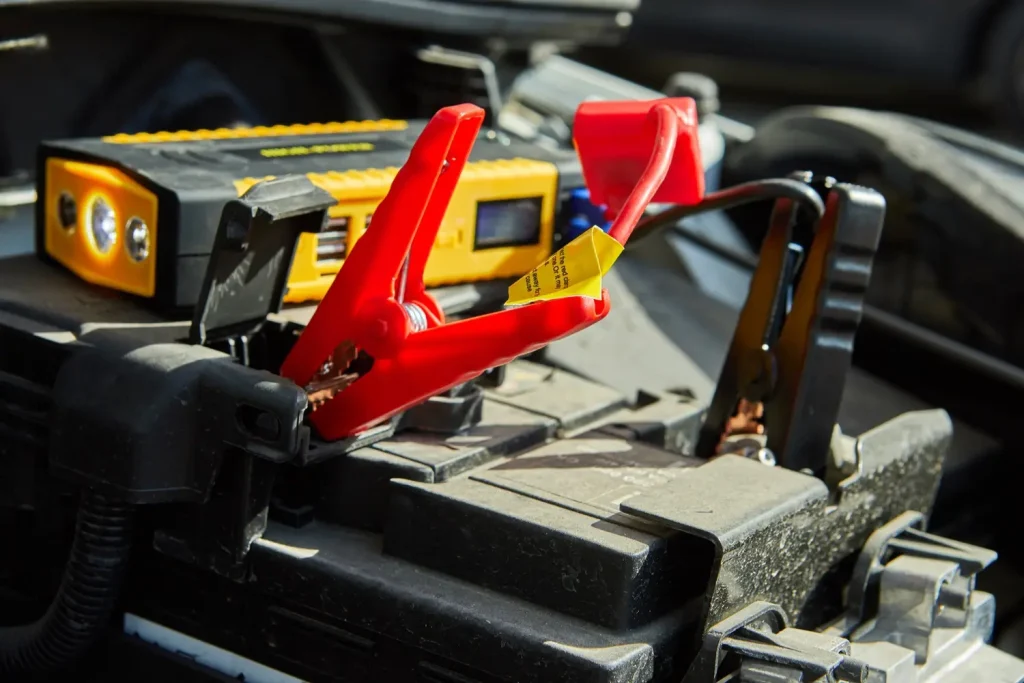
Improper installation, loose or corroded terminals, or batteries that aren’t firmly secured can suffer from excessive vibration, poor connections, or intermittent charging. These issues can accelerate failure and reduce overall lifespan.
4. Electrical Load and Vehicle Accessories
Modern vehicles have more electrical accessories than ever — infotainment systems, power seats, lights, sensors, and more. High electrical loads, especially when the engine isn’t running, can strain the battery and shorten its useful life.
Signs Your Battery May Be Failing
You don’t need specialized tools to notice when a battery is starting to fail. Look for these common warning signs:
- Slow engine crank: The engine turns over slowly or hesitates when you start the car.
- Dim headlights: Lights that are weaker than usual may indicate lower battery voltage.
- Electrical glitches: Accessories like power windows, Bluetooth, or dashboard lights acting erratically.
- Dashboard warning lights: A battery or charging system light on your instrument panel.
If any of these appear, it’s a good idea to have your battery checked professionally sooner rather than later.
How to Extend Your Battery’s Life
Basic At-Home Maintenance
There are simple steps you can take to protect your battery:
- Keep terminals clean. Corrosion can block proper electrical flow — clean with a baking soda and water solution if needed.
- Ensure secure installation. A firmly mounted battery reduces vibration and premature wear.
- Avoid excessive accessory use when parked. Lights, radios, and charging devices drain the battery.
Follow a Regular Inspection Schedule
Most automotive service experts recommend a battery check about twice a year — ideally at the start of extreme seasons like summer and winter. These inspections should include testing the battery’s voltage and capacity and examining physical condition of cables and terminals.
Professional Battery Testing and Maintenance
While basic checks at home can help, professional services take your maintenance a step further. A certified technician can:
- Perform electrical testing to measure whether the battery holds an effective charge.
- Inspect cables and connectors for damage or corrosion.
- Clean terminals and replace worn accessories with proper tools and safety protocols.
- Check alternator and starter interactions to ensure the charging system is working properly.
For many drivers, incorporating battery checks into other routine services — such as oil changes — ensures consistent oversight and early detection of issues.
When to Replace Your Battery
No matter how well you maintain it, every battery will eventually need replacement. If your battery is:
- Older than three years,
- Showing multiple warning signs of weakness, or
- Failing a professional load test,
…then it is likely time for a new battery. Proactive replacement saves frustration and reduces the risk of getting stranded due to battery failure.
Final Thoughts
Your car battery plays a quiet but crucial role in keeping your vehicle running. While the average battery lasts three to five years, your actual lifespan depends on how you drive, where you live, and how well you maintain your vehicle.By staying alert to warning signs, performing basic maintenance, and integrating professional checks into your service routine, you can maximize your battery’s life and reliability — avoiding unexpected failure and keeping your car on the road with confidence.