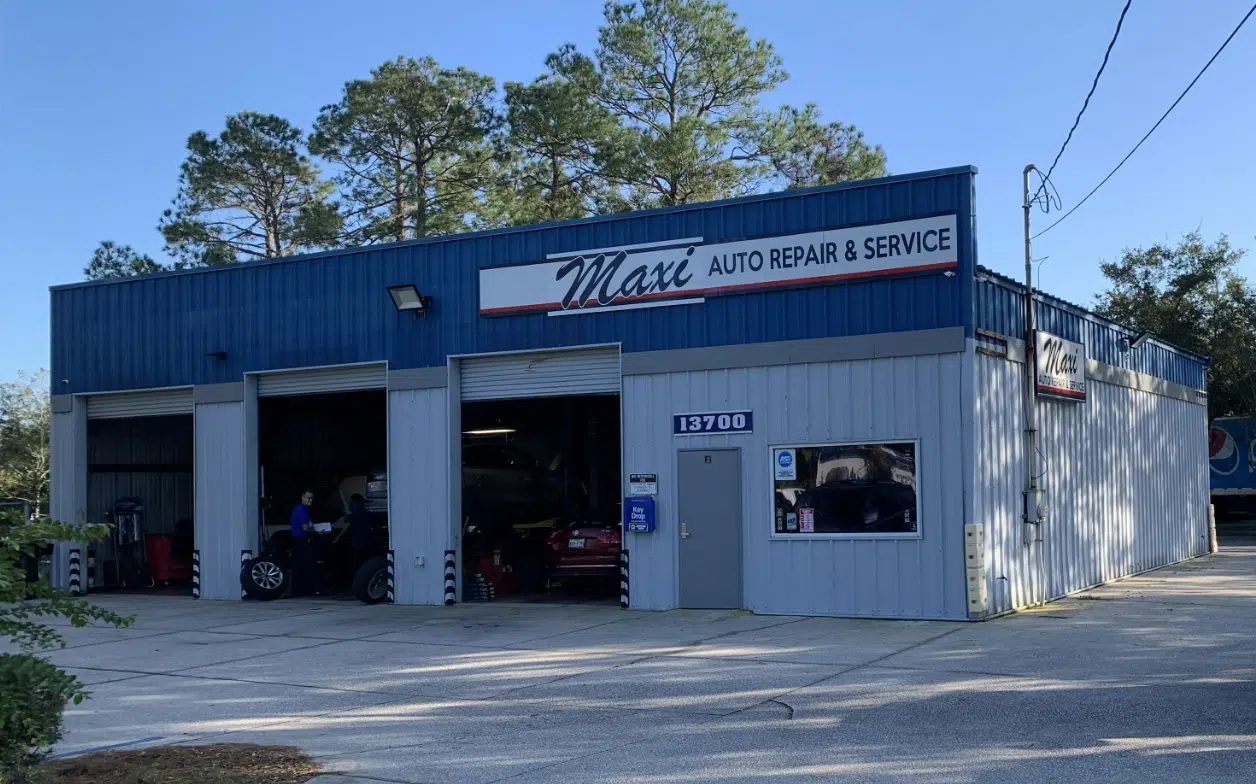
Power Steering Fluid: How Often To Change And Why It Matters: Regular maintenance of hydraulic steering fluid is essential in Jacksonville, FL to ensure smooth vehicle operation and prevent steering system damage
When it comes to ensuring your vehicle runs smoothly and efficiently, regular maintenance of your vehicle’s fluid systems is crucial. At Maxi’s Mechanics Auto Repair and Service in Jacksonville, FL, we understand the significance of keeping your car’s essential fluids in optimal condition to prevent costly repairs down the line. Our team of experienced technicians can assist you with all your fluid maintenance needs, including the regular inspection and replacement of vital fluids that help your vehicle operate at its best.
The Importance of Regular Fluid Maintenance
1. Fluid Lubrication: Properly maintained fluids help lubricate essential components in your vehicle’s systems, reducing friction and wear over time.
2. Temperature Regulation: Adequate fluid levels aid in regulating the temperature of critical engine parts, preventing overheating and potential damage.
3. Contaminant Removal: Routine fluid changes help remove dirt, debris, and other contaminants that can compromise the performance of your vehicle.
4. Seal Preservation: Certain fluids also play a role in preserving seals and gaskets, preventing leaks and ensuring the integrity of your vehicle’s systems.
5. Overall Performance: By maintaining optimal fluid levels and quality, you can enjoy improved overall vehicle performance and longevity.
For more information – Click Here
Signs that Your Vehicle Requires a Fluid Change
Recognizing the indications that your car might be in need of a fluid change is crucial for maintaining its optimal performance. Here are some key signs to watch out for:
- Unusual noises when turning the steering wheel
- Difficulty in steering, particularly at low speeds
- Leaking fluid beneath the vehicle
Noticing these symptoms early on can prevent more severe issues from arising, such as damage to the power steering pump or rack. Regularly checking the condition of your steering fluid is a proactive approach to ensuring the longevity of your vehicle’s steering system.
Moreover, consulting your car’s manual for the manufacturer’s recommended fluid change interval is advisable. However, in situations where you frequently drive in extreme weather conditions or engage in heavy towing, it might be beneficial to change the fluid more frequently than the recommended schedule.
It is essential to understand that the power steering fluid plays a significant role in lubricating and reducing friction within the steering system components. Over time, the fluid can degrade, losing its effectiveness and potentially causing damage if not replaced promptly.
Influential Factors on Fluid Change Frequency
When considering the frequency of fluid changes in the steering system, several key factors come into play:
- Vehicle Usage Patterns
- Weather Conditions
- Driving Habits
The frequency of fluid changes heavily relies on how often the vehicle is utilized. For instance, vehicles driven frequently in urban areas may require more frequent fluid changes compared to those used primarily for long highway drives. Additionally, extreme weather conditions, such as high temperatures or frequent cold starts, can accelerate the degradation of fluid, necessitating more frequent changes.
- Driving in stop-and-go traffic
- Regularly towing heavy loads
- Driving in off-road conditions
Driving habits play a significant role in determining how often steering fluid should be changed. Factors such as consistent stop-and-go driving, frequent towing of heavy loads, or engaging in off-road adventures can place additional strain on the steering system, requiring more frequent fluid changes to maintain optimal performance.
Understanding the Effects of Neglecting Essential Vehicle Fluids
When it comes to the lifeblood of your vehicle, overlooking regular maintenance can lead to a cascade of issues that extend far beyond the surface level. Failing to properly monitor and replenish vital fluids can result in significant wear and tear on crucial components, ultimately compromising the overall performance and longevity of your automobile.
- Increased Friction: Without adequate lubrication, the various moving parts within your vehicle’s steering system can grind against each other, causing friction that accelerates wear and tear.
- Corrosion Risk: Neglected fluid levels may expose metal surfaces to moisture and oxygen, leading to corrosion that weakens critical components over time.
- Temperature Instability: Insufficient fluid levels can disrupt the system’s ability to regulate temperature, potentially causing overheating and subsequent damage.
By routinely checking and replenishing the necessary fluids in your vehicle, you can prevent these issues and ensure smooth operation on the road. Remember that proper maintenance not only enhances performance but also safeguards your investment in the long run. Stay vigilant and prioritize the health of your vehicle’s internal mechanisms to enjoy a safer and more efficient driving experience.
Benefits of Regular Steering Fluid Replacements
Ensuring the optimal performance of your vehicle’s steering system involves more than just routine maintenance tasks. By adhering to a schedule for the replacement of essential fluids, you can enjoy a smoother driving experience while prolonging the lifespan of critical components. Here are some key advantages of timely fluid replacements:
- Enhanced Steering Response
- Improved Control and Handling
- Prevention of Corrosion and Oxidation
Regularly changing the fluid in your steering system helps maintain the integrity of seals and hoses, preventing leaks and potential loss of power while driving. By keeping the fluid fresh and clean, you reduce the risk of contaminants compromising the efficiency of the system.
Moreover, timely fluid replacements contribute to the overall safety of your vehicle by ensuring that the steering mechanism operates smoothly and responsively. This can be particularly beneficial in emergency situations where precise control is crucial for accident avoidance.
- Extended Lifespan of Steering Components
- Reduced Wear and Tear on Critical Parts
- Enhanced Reliability and Performance
Regular maintenance of steering fluid also helps in preserving the integrity of the entire steering system, including the pump, rack, and pinion. By following manufacturer recommendations for fluid changes, you can prevent premature wear and avoid costly repairs in the future.
Expert Tips for Maintaining Steering Fluid
When it comes to vehicle maintenance, taking care of the hydraulic fluid that assists in turning your car’s wheels is crucial for optimal performance. Below are some expert recommendations to ensure the smooth operation of this essential component.
- Regularly inspect the fluid level in the reservoir to prevent issues with steering responsiveness.
- Check for any signs of contamination, such as a burnt smell or dark color, which may indicate the need for a fluid flush.
- Be mindful of leaks around the hoses or connections, as these can lead to a loss of fluid and potential steering problems.
Moreover, it is important to understand the impact of environmental factors on the lifespan of the fluid. Fluctuations in temperature can affect the viscosity of the fluid, leading to diminished performance in extreme conditions.
- Consider the type of driving you do when determining how often to change the fluid. Regular city driving may necessitate more frequent changes compared to highway driving.
- Consult your vehicle manual for manufacturer recommendations on fluid change intervals, as these can vary based on the make and model of your car.
By adhering to these guidelines and staying vigilant in monitoring your vehicle’s steering fluid, you can prolong the life of your power steering system and avoid costly repairs down the road.