Can I Drive My Car If The Check Engine Light Is Flashing?: Is it safe to operate my vehicle with a constantly blinking indicator in Jacksonville, Florida?
If you are faced with the predicament of a blinking warning light on your vehicle’s dashboard, it is imperative to promptly address this issue to prevent potential damage and ensure a safe driving experience. At Maxi’s Mechanics Auto Repair and Service in Jacksonville, FL, we specialize in diagnosing and resolving concerns related to illuminated indicator lights, including those that indicate critical system malfunctions.
The Significance of Resolving a Flashing Check Engine Light
When your vehicle’s check engine light starts flashing, it is a clear indication of a severe problem that requires immediate attention. Ignoring this warning sign can lead to further damage to essential components of your car and potentially result in costly repairs. Here are some key reasons why addressing a flashing check engine light is crucial:
- Ensure safety on the road by preventing potential breakdowns
- Protect the environment by reducing harmful emissions
- Prolong the lifespan of your vehicle’s engine and related systems
By promptly seeking professional assistance to address a flashing check engine light, you can avoid more extensive damage and maintain the optimal performance of your vehicle. Our experienced technicians at Maxi’s Mechanics Auto Repair and Service are equipped to diagnose the root cause of the issue and provide efficient solutions to get you back on the road safely.
For more information – Click Here
Understanding the Risks of Ignoring a Flashing Check Engine Light
When your vehicle’s diagnostic system detects a problem, it triggers the check engine light to illuminate on the dashboard. Ignoring this warning sign can lead to serious consequences for your vehicle’s health and performance. Here are some key points to consider:
- 1. Immediate Action Required: A flashing check engine light indicates a severe issue that requires immediate attention. Continuing to drive in this state can cause further damage to the engine.
- 2. Risk of Engine Damage: The check engine light often signals problems related to crucial components such as the catalytic converter, which can be costly to repair if left unattended.
- 3. Decreased Fuel Efficiency: Ignoring a flashing check engine light can result in decreased fuel efficiency, ultimately costing you more at the pump over time.
It’s essential to address the underlying cause promptly to prevent more extensive and expensive repairs down the road. Seeking professional diagnostic services is the best course of action when faced with a flashing check engine light.
Regular maintenance and prompt attention to warning lights can help prolong your vehicle’s lifespan and ensure a smoother driving experience. Remember, prioritizing the health of your vehicle today can save you from costly repairs in the future.
Common Causes of a Flashing Check Engine Light in Vehicles
When your vehicle’s dashboard suddenly illuminates with a flashing check engine light, it can be a distressing experience. Understanding the potential underlying issues causing this warning signal can aid in prompt diagnosis and resolution. Here are some common culprits:
- Ignition System Problems
- Malfunctioning Oxygen Sensor
- Catalytic Converter Issues
- Faulty Spark Plugs
It’s crucial to note that a flashing check engine light typically indicates a severe problem that demands immediate attention. Ignoring this warning may lead to more significant and costly damage to your vehicle. Seeking professional diagnostic assistance can help pinpoint the exact issue and prevent potential complications down the road.
Seeking Professional Diagnosis for a Flashing Check Engine Light
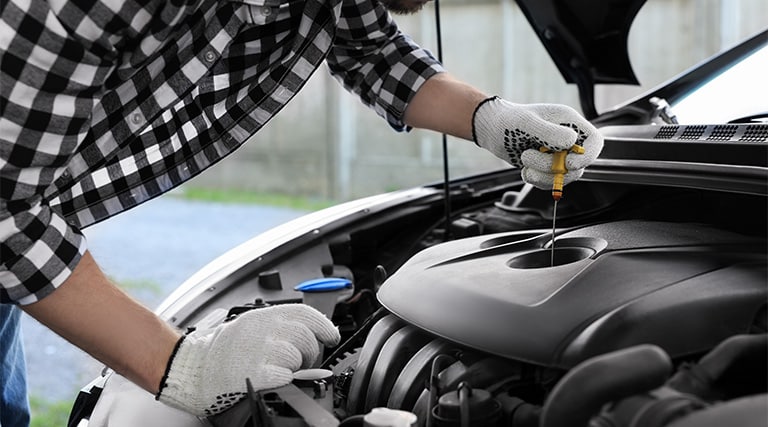
When faced with the ominous blinking of the dashboard indicator light that signifies a potential issue with your vehicle, it is crucial to take swift action to ascertain the underlying cause. Seeking the expertise of a skilled automotive technician is paramount in situations where the check engine light is flashing intermittently. Here are some key points to consider:
- Flashing Check Engine Light: A flashing check engine light typically indicates a severe problem, such as a misfire that can lead to irreversible damage if not promptly addressed.
- Diagnostic Tools: Professional mechanics possess specialized diagnostic tools that can pinpoint the exact source of the issue, providing an accurate assessment of the required repairs.
- Engine Performance: Ignoring a flashing check engine light may result in reduced engine performance, decreased fuel efficiency, and potential safety hazards on the road.
By entrusting your vehicle to the hands of a qualified technician, you are ensuring that a comprehensive diagnosis is conducted to identify any underlying issues that may be causing the flashing check engine light. Timely intervention can prevent further damage and potential safety risks associated with driving a vehicle in compromised condition. Remember, proactive maintenance and immediate attention to warning signs can prolong the lifespan of your vehicle and save you from costly repairs in the long run.
Potential Consequences of Driving with a Flashing Check Engine Light
When your vehicle’s dashboard illuminates with a blinking check engine light, it serves as a forewarning of underlying issues that necessitate prompt attention to avert further damage. Ignoring this crucial indicator and continuing to operate your car under such circumstances can result in:
- Compromised Engine Performance
- Reduced Fuel Efficiency
- Increased Emissions
Driving with a flashing check engine light poses a risk of exacerbating the problem, potentially leading to more extensive repairs and higher costs down the line. The flashing light typically signifies a severe problem that demands immediate inspection by a certified mechanic to diagnose the root cause accurately.
Continuing to drive in this state might trigger a domino effect of issues, affecting various components of your vehicle and compromising its overall functionality. The fluctuating nature of the flashing light indicates a dynamic and urgent problem that must be addressed promptly to prevent further harm.
- Expert Tip: Always heed the warning of a flashing check engine light to prevent costly repairs in the future.
- Expert Tip: Consult a professional mechanic to perform a thorough diagnosis and address the underlying issues effectively.
Furthermore, driving with a flashing check engine light can potentially endanger your safety on the road, as unresolved mechanical issues may escalate unexpectedly, leading to breakdowns or accidents. Prioritizing the immediate investigation and resolution of the problem is crucial in maintaining the longevity and optimal performance of your vehicle.
Understanding the Impact of a Flashing Check Engine Light
When confronted with the ominous sight of a blinking check engine icon on your dashboard, it is vital to take immediate action. Here are steps to consider:
- Evaluate the Severity: The flashing check engine light typically indicates a critical issue that requires prompt attention. Ignoring it can lead to more extensive damage.
- Check for Associated Symptoms: Pay attention to any abnormal sounds, smells, or performance changes in your vehicle. These can offer clues to the underlying problem.
- Assess Your Driving Conditions: If the flashing occurs during challenging driving conditions such as uphill climbs or heavy traffic, it might exacerbate the problem. Consider pulling over when safe to do so.
Understanding the potential causes behind a flashing check engine light can aid in making informed decisions. It could signify issues with the ignition system, catalytic converter, or even a faulty sensor.
- Pros of Immediate Action:
- Prevents further damage to the engine.
- Enhances safety on the road.
- Increases the likelihood of a cost-effective repair.
- Cons of Delayed Response:
- Risk of sudden breakdowns.
- Escalation of repair costs.
- Potential compromise on driving safety.