Can I Drive With A Coolant Leak Or Will I Damage My Engine?: Driving with a coolant leak in Jacksonville, FL may lead to engine damage if not addressed promptly
At Maxi’s Mechanics Auto Repair and Service in Jacksonville, FL, we understand the importance of addressing issues related to coolant leaks in your vehicle to prevent potential damage to the engine. Our team of expert technicians is equipped to assess and resolve any coolant leak concerns you may have, ensuring the optimal performance and longevity of your vehicle.
Risks of Driving with a Coolant Leak
When facing a coolant leak in your vehicle, it is crucial to be aware of the potential risks and consequences associated with continuing to drive in such conditions. Some of the risks include:
- Overheating of the engine
- Damage to engine components
- Decreased vehicle performance
Consequences of Ignoring a Coolant Leak
Ignoring a coolant leak can lead to more severe consequences that can impact the overall functionality of your vehicle. Some of the potential consequences include:
- Complete engine failure
- Increased repair costs
- Compromised safety on the road
For more information – Click Here
Detecting a Coolant Leak: Signs to Look Out For
When it comes to identifying a coolant leak in your vehicle, paying attention to certain signs can help prevent potential engine damage and costly repairs. Here are some key indicators to be mindful of:
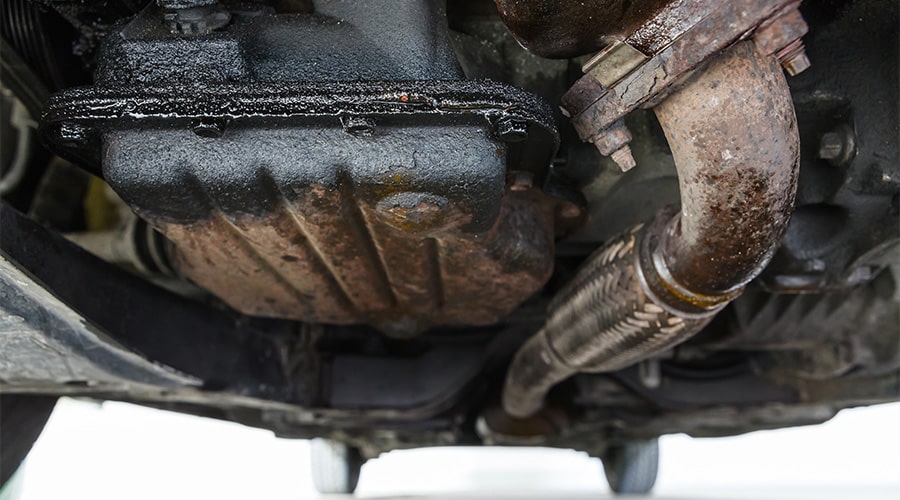
- Visible Puddles Under the Car: One of the most obvious signs of a coolant leak is the presence of colorful puddles beneath your vehicle. Coolant typically has a sweet smell and can be green, yellow, or pink in color.
- Overheating Engine: If your engine consistently runs hotter than usual or frequently overheats, it could be a symptom of a coolant leak.
- Sweet Smell Inside the Car: A noticeable sweet odor inside the vehicle, especially when the heater is turned on, may indicate a coolant leak in the heater core.
Additionally, keeping an eye on your coolant levels and regularly inspecting hoses, connections, and the radiator can help you catch leaks early on. Promptly addressing any coolant leaks can prevent engine overheating, corrosion, and ultimately, extensive damage to vital engine components. Remember, early detection is key to maintaining the health and longevity of your vehicle’s engine.
Understanding the Significance of Timely Resolving Coolant Seepages
When it comes to the smooth operation of your vehicle, attending to coolant leaks promptly is of utmost importance. Coolant leaks, if neglected, can lead to a cascade of detrimental effects on your engine’s performance and longevity. Let’s delve deeper into why addressing these leaks promptly is crucial:
Key Points:
- Preservation of Engine Integrity: Coolant is vital for regulating engine temperature, and leaks can disrupt this crucial function, potentially causing overheating and engine failure.
- Prevention of Corrosion: Coolant leaks expose engine components to the risk of corrosion, which can significantly reduce the lifespan of various parts.
- Optimal Fuel Efficiency: A well-maintained cooling system ensures that your engine operates efficiently, promoting better fuel consumption and overall performance.
Furthermore, timely intervention in case of coolant leaks can prevent more extensive and costly damage down the line. Regularly checking for leaks and promptly addressing any issues that arise can ultimately save you money and prolong the life of your vehicle.

Temporary Solutions for Coolant Leaks
When faced with a coolant leak, it is crucial to address the issue promptly to prevent potential damage to your vehicle’s engine. Here are some DIY methods you can consider:
- Use Commercial Leak Sealants: These products can help seal minor leaks temporarily.
- Try Epoxy Putty: Epoxy putty is a versatile solution that can be molded to fit the leak’s size and shape.
- Use Bar’s Leaks Liquid Aluminum: This product is designed to seal small leaks in radiators, heater cores, and freeze plugs.
While these temporary solutions can help in emergency situations, it is important to remember that they are not permanent fixes. Consulting a professional mechanic for a long-term solution is highly recommended.
Professional Repair Options for Coolant Leaks
When faced with a coolant leak issue in your vehicle, it is crucial to address the problem promptly to prevent potential engine damage. Here are some expert repair options to consider:
- Coolant System Pressure Test: This diagnostic procedure helps pinpoint the exact location of the leak, enabling targeted repairs.
- Replacement of Faulty Components: Identifying and replacing damaged hoses, gaskets, or the radiator can effectively resolve coolant leaks.
- Head Gasket Inspection: Checking the head gasket for signs of failure is essential, as a faulty gasket can lead to coolant leaks into the engine.
Furthermore, when dealing with coolant leaks, it is advisable to consult a professional mechanic with experience in cooling system repairs. By entrusting the task to an expert, you can benefit from:
- Accurate Diagnosis: Skilled mechanics can accurately diagnose the root cause of the coolant leak, preventing unnecessary repairs.
- Quality Repairs: Professional technicians use proper tools and techniques to ensure lasting solutions for coolant leaks.
Remember that neglecting coolant leaks can result in overheating, engine damage, and costly repairs down the line. By addressing the issue promptly and opting for professional repair options, you can safeguard your vehicle’s engine and ensure optimal performance on the road.
Tips for Preventing Coolant Leaks in Your Vehicle
When it comes to maintaining your vehicle’s cooling system, taking proactive measures can help prevent coolant leaks and potential engine damage. Here are some expert tips:
- Regularly check the coolant levels in your vehicle and top up as needed to ensure proper functioning of the system.
- Inspect hoses, clamps, and connections for any signs of wear, cracks, or leaks that could indicate potential coolant issues.
- Consider using a coolant leak detection kit to identify any small leaks early on before they escalate into larger problems.
Additionally, ensuring that your vehicle’s cooling system is properly flushed and filled with the correct coolant mixture can help maintain optimal performance and prevent corrosion.
Benefits of Preventative Maintenance:
- Increased longevity of your engine and cooling system components.
- Improved fuel efficiency due to the engine operating at optimal temperatures.
- Reduced risk of overheating and costly repairs associated with coolant leaks.
By following these preventative measures and staying proactive in your vehicle maintenance routine, you can effectively minimize the risk of coolant leaks and maintain the overall health of your engine.