What Causes Catalytic Converter Failure And How Much Does It Cost?: Common reasons for catalytic converter damage and associated expenses in Jacksonville, Florida
If you are experiencing issues with your vehicle’s emission control system, Maxi’s Mechanics Auto Repair and Service in Jacksonville, Fl can assist you with all your concerns regarding the potential causes and costs associated with emission system troubles.
Common Causes of Catalytic Converter Malfunction
When your vehicle’s catalytic converter malfunctions, it can lead to a variety of problems that affect the overall performance of your car. Here are some common issues that may cause catalytic converter failure:
- Engine Misfires
- Excessive Fuel Consumption
- Physical Damage to the Converter
It is essential to address these problems promptly to prevent further damage to your vehicle’s emission control system. Ignoring catalytic converter issues can lead to more significant repairs and increased costs down the line. Regular maintenance and timely inspections can help prevent catalytic converter failure and ensure your vehicle operates efficiently.
For more information – Click Here
Recognizing Catalytic Converter Issues
When it comes to identifying problems with your vehicle’s catalytic converter, there are several signs and symptoms to watch out for. By paying attention to these indicators, you can address any issues promptly and avoid more extensive damage down the road.
Here are some common signals that may point to catalytic converter problems:
- Decreased engine performance, such as sluggish acceleration or stalling.
- Increased fuel consumption, which can result in more frequent visits to the gas station.
- Rattling noises coming from the undercarriage of the vehicle, indicating a potential issue with the converter’s internal components.
Additionally, if you notice a persistent rotten egg smell emanating from your vehicle’s exhaust, it could be a sign that the catalytic converter is not functioning correctly. This odor is caused by the presence of hydrogen sulfide in the exhaust gases, indicating a problem with the converter’s efficiency in reducing harmful emissions.
It’s essential to address these symptoms promptly to prevent further damage to your vehicle’s exhaust system and ensure that your vehicle meets emissions standards. Consulting with a qualified mechanic can help diagnose the issue accurately and recommend the appropriate course of action to restore your catalytic converter’s functionality.
Effects of Catalytic Converter Failure on Vehicle Performance
When a catalytic converter malfunctions, it can have detrimental effects on the performance of your vehicle. Here are some key impacts to be aware of:
- Decreased Engine Performance
- Increased Emissions
- Reduced Fuel Efficiency
One of the immediate consequences of a failing catalytic converter is a noticeable drop in engine performance. This can manifest as reduced acceleration, sluggish response, and overall diminished power output.
| Effects of Catalytic Converter Failure | Impact on Vehicle |
|---|---|
| Increased Emissions | May lead to environmental harm and potential regulatory issues. |
| Reduced Fuel Efficiency | Extra strain on the engine can result in higher fuel consumption. |
- Expert Tip: Regular maintenance and inspections can help prevent catalytic converter issues.
- Expert Tip: Addressing engine problems promptly can extend the life of your catalytic converter.
Furthermore, a failing catalytic converter can contribute to increased emissions, posing environmental risks and potentially causing regulatory compliance problems. Additionally, the inefficiency in converting harmful gases can lead to reduced fuel efficiency, as the engine works harder to compensate for the converter’s failure.
Diagnostic Process for Identifying Catalytic Converter Issues
When facing potential problems with a catalytic converter, it is crucial to conduct a thorough diagnostic process to pinpoint the exact issue affecting the vehicle’s emissions system. Here are some insightful tips and methods used by professionals to identify catalytic converter complications:
- Performing a comprehensive visual inspection of the catalytic converter, looking for physical damage such as dents, cracks, or leaks.
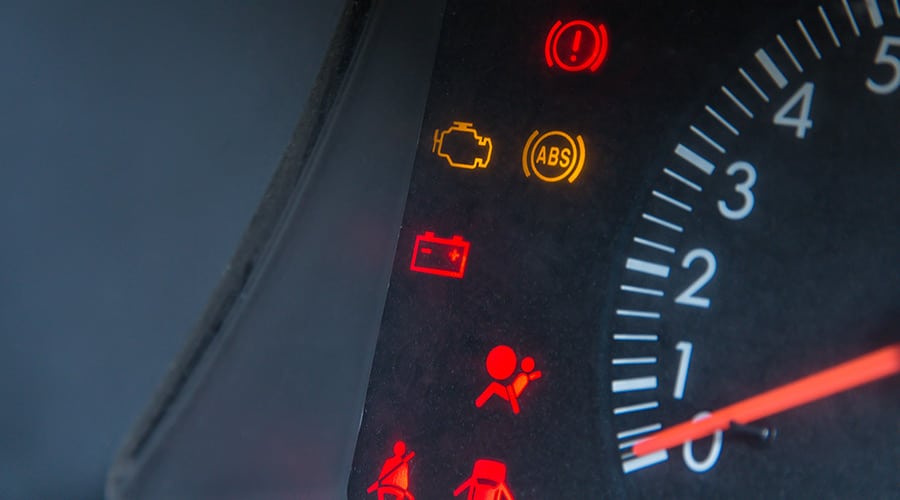
- Utilizing diagnostic tools like OBD-II scanners to retrieve trouble codes related to the catalytic converter’s efficiency and performance.
- Conducting exhaust gas analysis to assess the composition of gases exiting the tailpipe, indicating potential catalytic converter inefficiencies.
Moreover, experts often employ a combination of advanced techniques and traditional methods to accurately diagnose catalytic converter issues. By analyzing the vehicle’s emission levels, exhaust system components, and engine performance, technicians can gain valuable insights into the root cause of converter malfunctions.
| Pros | Cons |
|---|---|
| Accurate identification of catalytic converter problems | Diagnostic process may require specialized equipment |
| Enhanced understanding of emission control systems | Time-consuming procedure in some cases |
By following a systematic approach and leveraging cutting-edge diagnostic tools, automotive professionals can efficiently diagnose and address catalytic converter issues, ensuring optimal vehicle performance and compliance with emission standards.
Repair Options for Catalytic Converter Problems
If your vehicle is experiencing issues with the catalytic converter, there are several repair options available to address the problem effectively. It is crucial to understand the different approaches to resolving catalytic converter problems to ensure optimal performance and compliance with emission standards.
- 1. Catalytic Converter Replacement:
- – Installing a new catalytic converter can be a straightforward solution to resolve severe damage or clogging issues.
- – Ensure the replacement converter meets the specifications required for your vehicle model.
- 2. Catalytic Converter Cleaning:
- – Utilizing cleaning solutions or services can help remove carbon buildup and restore the converter’s efficiency.
- – Regular cleaning maintenance can prevent future converter issues and prolong its lifespan.
Additionally, it is essential to address any underlying issues that may have contributed to the catalytic converter problem, such as engine misfires, faulty oxygen sensors, or exhaust leaks. By identifying and resolving these root causes, you can prevent future converter failures and ensure optimal engine performance.
Cost Estimates for Catalytic Converter Replacement in Jacksonville, FL
When it comes to addressing issues with your vehicle’s emission system, one crucial component that could demand attention is the catalytic converter. In Jacksonville, FL, the cost estimates for replacing a catalytic converter can vary based on several factors.
- Location within Jacksonville: Costs may differ between neighborhoods or districts in Jacksonville.
- Vehicle make and model: Certain vehicles require specific catalytic converters, impacting the overall cost.
- Quality of the replacement part: Opting for a high-quality catalytic converter may be pricier but could offer better longevity.
Before committing to a replacement, it is advisable to consult with a reputable mechanic in Jacksonville to obtain a detailed quote. They can assess your vehicle’s specific needs and provide a more accurate cost estimate based on the required parts and labor.
Additionally, considering the environmental impact of a faulty catalytic converter is crucial. A malfunctioning converter can lead to increased emissions, contributing to pollution. By promptly addressing any issues, you not only ensure your vehicle’s efficiency but also play a role in preserving the environment.