Can You Drive With a Bad Fuel Pump?
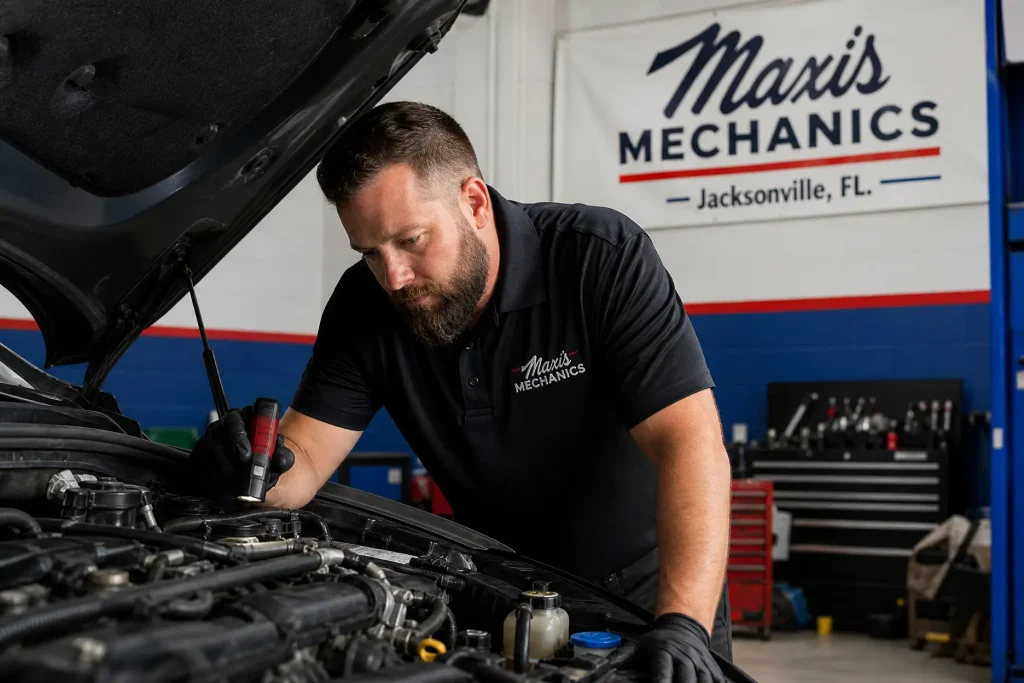
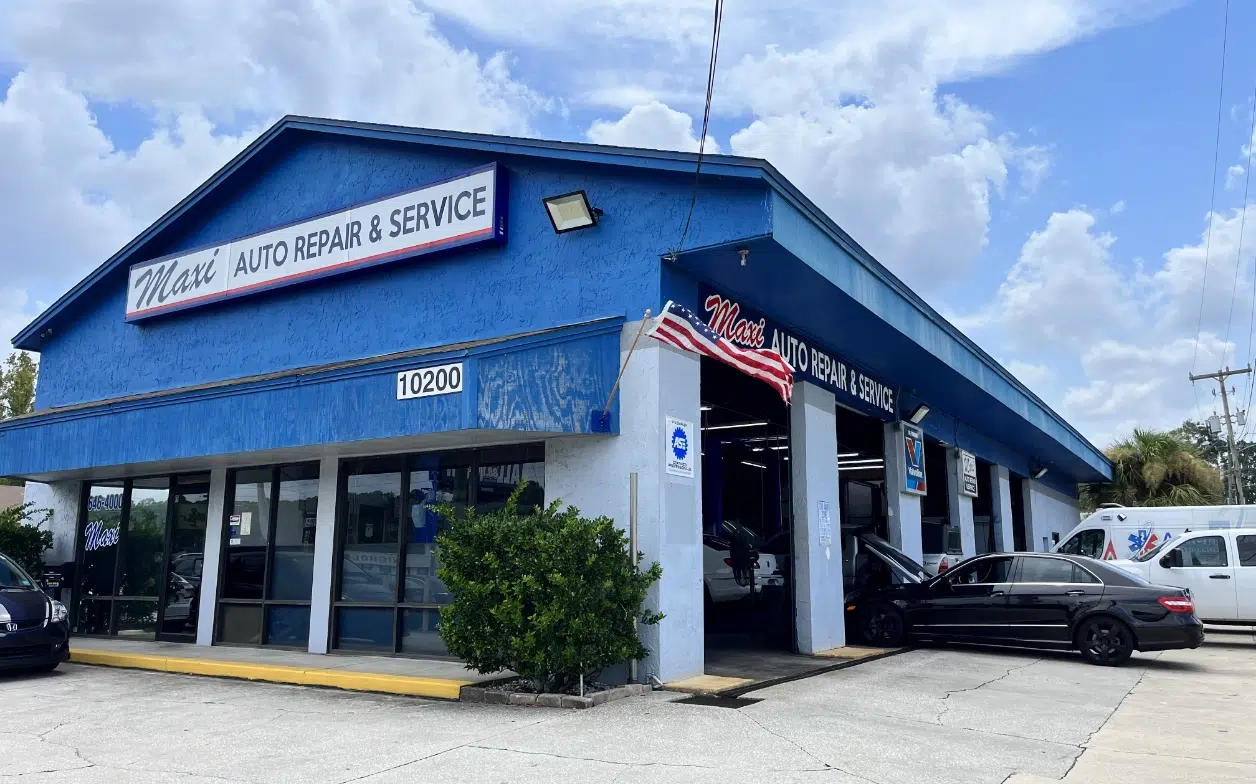
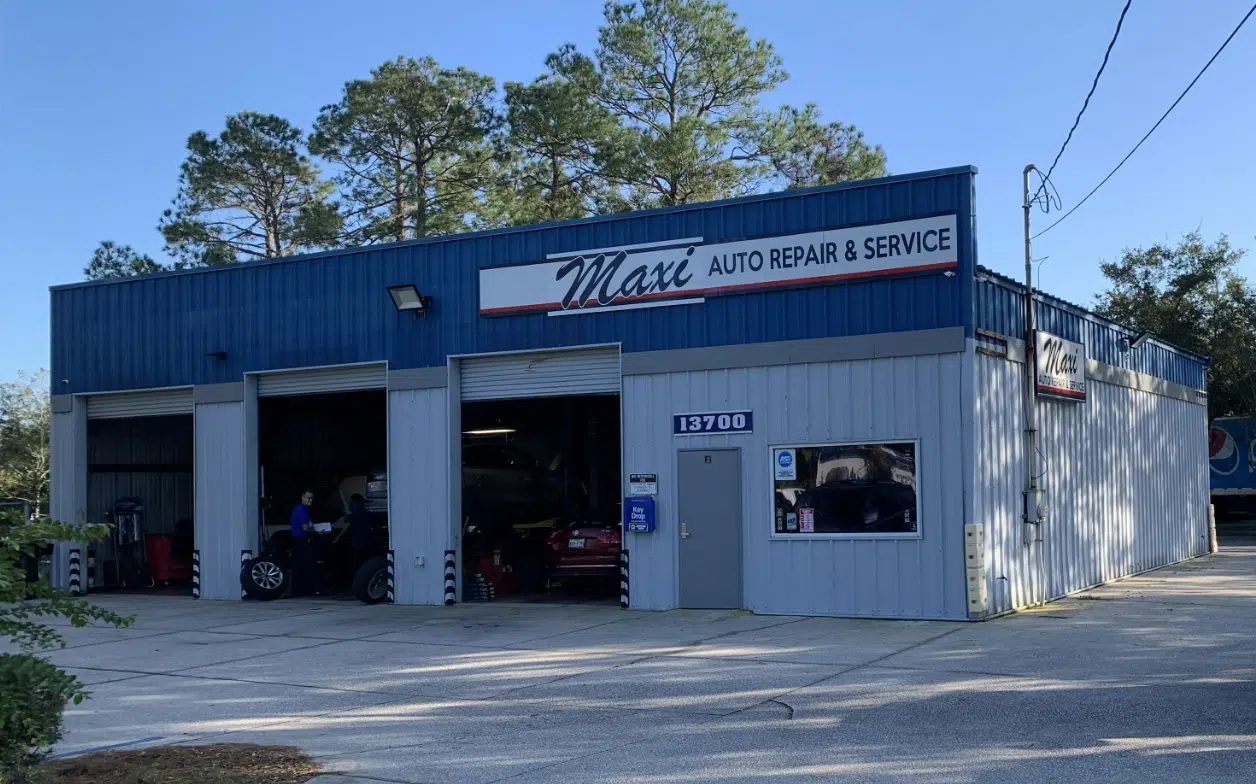
You should not drive with a bad fuel pump for more than a few miles to reach a safe location. A failing fuel pump starves the engine of fuel, causing stalling, misfires, and potential catalytic converter damage. Maxi’s Mechanics in Jacksonville, FL provides comprehensive fuel pump diagnostics and replacement at four convenient locations across the city.
You can drive a short distance with a bad fuel pump to reach safety, but prolonged driving risks engine damage, stranding, and expensive secondary repairs. A fuel pump delivers gasoline from the tank to the engine under precise pressure — typically 30 to 80 psi depending on the vehicle.[1] When the pump fails, fuel delivery becomes erratic or stops entirely, causing performance issues that worsen rapidly. Understanding the symptoms helps you avoid breakdown and costly component damage.
Written by The Team at Maxi’s Mechanics — Maxi’s Mechanics is a veteran-owned, ASE-certified auto repair shop serving Jacksonville, FL since 2003, with four locations: Beach Blvd, Riverside, Hodges, and San Marco.
What Are the Early Symptoms of a Bad Fuel Pump?
Early bad fuel pump symptoms include difficulty starting, engine sputtering at high speeds, and loss of power under load. These signs indicate the pump is struggling to maintain adequate fuel pressure. The engine may start after multiple cranking attempts because residual fuel in the lines allows brief combustion before pressure drops again.[2] Sputtering occurs when inconsistent fuel delivery leans out the air-fuel mixture, particularly noticeable during highway acceleration or climbing grades.
Power loss during towing, hauling cargo, or passing maneuvers happens because the fuel pump cannot meet increased engine demand. Jacksonville drivers often notice these symptoms in hot weather — heat accelerates fuel pump wear by expanding internal components and reducing electrical efficiency.[3] The check engine light may illuminate with diagnostic codes P0087 (fuel rail pressure too low) or P0230 (fuel pump primary circuit malfunction), which ASE-certified technicians retrieve during computerized diagnostics.
How Does a Failing Fuel Pump Damage Your Engine?
A failing fuel pump causes lean air-fuel ratios that overheat engine components, damage the catalytic converter, and trigger misfires. When fuel pressure drops below specifications, the engine control module cannot inject enough gasoline to match incoming air. This lean condition raises combustion temperatures above 2,000°F, warping valves and damaging piston rings.[4] Unburned oxygen reaching the catalytic converter causes the substrate to overheat and melt, requiring replacement that costs $1,000 to $2,500.
Misfires from inconsistent fuel delivery foul spark plugs and strain ignition coils. The engine computer compensates by richening the mixture in working cylinders, increasing fuel consumption and emissions. Chronic misfires contaminate engine oil with unburned fuel, degrading lubrication and accelerating wear on bearings and camshafts. Florida’s humidity exacerbates these issues by promoting corrosion inside fuel tanks, which clogs pump inlet screens and accelerates failure.
What Causes Fuel Pumps to Fail?
Fuel pumps fail from running on low fuel frequently, contaminated gasoline, electrical issues, and normal wear after 100,000 to 150,000 miles. Operating with less than a quarter tank exposes the pump to air and reduces cooling, overheating the electric motor.[5] Dirt, rust, and water in the fuel clog the pump’s internal filter and scoring wear the impeller blades. Fuel acts as both coolant and lubricant for the pump assembly — insufficient submersion causes premature failure.
Electrical problems like corroded connectors, worn wiring, or failing relays reduce voltage to the pump motor. Most fuel pumps require 12 to 14 volts to produce proper pressure; voltage drops below 11 volts cut output by 30% or more. Aftermarket or contaminated fuel filters restrict flow, forcing the pump to work harder and shortening its lifespan. Jacksonville’s coastal salt air accelerates corrosion on fuel system electrical connections, a factor ASE-certified technicians check during inspections.
Can Driving With a Bad Fuel Pump Leave You Stranded?
Yes, driving with a bad fuel pump will eventually leave you stranded when the pump stops delivering fuel entirely. Intermittent symptoms progress to complete failure without warning. The vehicle may run normally for several trips, then suddenly stall at an intersection, on the highway, or in a parking lot. Once the pump stops, the engine cannot restart because no fuel reaches the injectors regardless of how much gasoline remains in the tank.
Stalling in traffic creates safety hazards and requires towing, which costs $75 to $200 in Jacksonville depending on distance. Attempting to drive after repeated stalling risks damaging the fuel pump relay, which cycles rapidly as the system tries to build pressure. Mobile mechanics cannot replace fuel pumps roadside because the tank must be lowered or accessed through the rear seat, requiring shop equipment. Addressing symptoms early prevents inconvenient breakdowns and secondary component damage.
What Are the Signs You Need Immediate Fuel Pump Replacement?
Immediate fuel pump replacement is necessary when the engine stalls repeatedly, refuses to start, or loses power suddenly during driving. These signs indicate total or near-total pump failure. The fuel pressure gauge (if equipped) reads below 30 psi at idle, and you may hear silence instead of the normal two-second priming hum when turning the ignition to “on” without starting the engine.[6]
A whining or buzzing noise from the rear of the vehicle while driving indicates bearing failure inside the pump motor. Fuel smell near the tank suggests leaking seals around the pump assembly, creating a fire hazard. The vehicle may enter “limp mode” where the computer limits engine speed to prevent damage. Diagnostic scans showing fuel pressure 10 psi or more below manufacturer specifications confirm replacement is needed. ASE-certified technicians at Maxi’s Mechanics use factory service data to compare measured pressure against specifications for your specific make and model.
| Symptom | Severity | Immediate Action | Potential Damage If Ignored |
|---|---|---|---|
| Difficulty starting | Moderate | Schedule diagnostics within 1 week | Complete pump failure, stranding |
| Sputtering at highway speeds | Moderate | Avoid long trips until inspected | Catalytic converter damage, misfires |
| Engine stalling while driving | High | Stop driving, arrange towing | Accident risk, engine overheating |
| Whining noise from fuel tank | High | Immediate inspection required | Total pump failure, potential fire hazard |
| Check engine light with P0087 code | Moderate-High | Diagnostics within 2-3 days | Lean engine damage, sensor failures |
How Much Does Fuel Pump Replacement Cost in Jacksonville?
Fuel pump replacement costs $500 to $1,200 in Jacksonville, FL depending on vehicle make, pump location, and whether the tank requires removal. The fuel pump assembly itself ranges from $150 to $600, with labor adding $200 to $500 for 2 to 4 hours of work.[7] Vehicles with in-tank pumps accessed through the rear seat cost less than models requiring full tank removal. Luxury and performance vehicles with high-pressure direct injection pumps exceed $1,500 including parts and labor.
ASE-certified mechanics replace the fuel filter, pump strainer, and tank seal during service to prevent repeat failures. Additional costs may include fuel pressure regulator replacement ($100 to $250) if diagnostics reveal system-wide issues. Using OEM or quality aftermarket pumps ensures proper pressure specifications and longevity — bargain pumps often fail within 20,000 miles. Warranty coverage varies from 1 year/12,000 miles on economy parts to lifetime warranties on premium assemblies. Maxi’s Mechanics provides detailed estimates after diagnostic testing confirms pump failure.
Schedule service at your nearest Maxi’s Mechanics location in Jacksonville — call (904) 646-4000 or book online at maxiautorepair.com.
Frequently Asked Questions
How long can you drive with a bad fuel pump?
You should drive no more than a few miles with a bad fuel pump to reach a repair facility or safe location. Continuing to drive risks complete engine stall without warning, leaving you stranded in traffic. The pump can fail entirely at any time once symptoms appear.
Will a bad fuel pump throw a check engine light?
Yes, a bad fuel pump typically triggers check engine codes P0087 (fuel rail pressure too low), P0230 (fuel pump circuit malfunction), or P0087 (fuel pressure sensor circuit). These codes appear when the engine computer detects fuel pressure below specifications during operation.
Can a bad fuel pump damage other parts of the car?
Yes, a failing fuel pump causes lean air-fuel ratios that damage the catalytic converter, foul spark plugs, overheat valves, and contaminate engine oil. These secondary failures cost significantly more to repair than replacing the pump when symptoms first appear.
What does a dying fuel pump sound like?
A dying fuel pump produces a high-pitched whining, buzzing, or humming noise from the rear of the vehicle near the fuel tank. The sound may be constant or occur only during acceleration when fuel demand increases.
Should I replace the fuel filter when replacing the fuel pump?
Yes, always replace the fuel filter during pump replacement to prevent contamination from clogging the new pump. Many modern vehicles integrate the filter with the pump assembly, but external filters should be changed every 30,000 to 50,000 miles.
Do not ignore fuel pump symptoms — early replacement prevents engine damage and roadside emergencies. Maxi’s Mechanics serves Jacksonville with ASE-certified technicians, OEM-quality parts, and comprehensive diagnostics at four convenient locations. Schedule service at your nearest Maxi’s Mechanics location in Jacksonville — call (904) 646-4000 or book online at maxiautorepair.com.
Written by The Team at Maxi’s Mechanics — Maxi’s Mechanics is a veteran-owned, ASE-certified auto repair shop serving Jacksonville, FL since 2003. Updated January 2026.
References
- U.S. Department of Energy. Fuel Delivery Systems. https://www.energy.gov/
- National Institute for Automotive Service Excellence. Fuel System Diagnosis. https://www.ase.com/
- Society of Automotive Engineers. Heat Effects on Fuel System Components. https://www.sae.org/
- Environmental Protection Agency. Catalytic Converter Function and Failure Modes. https://www.epa.gov/
- Automotive Maintenance and Repair Association. Fuel Pump Service Life and Maintenance. https://www.amra.org/
- National Highway Traffic Safety Administration. Fuel System Safety and Diagnostics. https://www.nhtsa.gov/
- Bureau of Labor Statistics. Automotive Repair Cost Data. https://www.bls.gov/