Belt And Hose Replacement Hodges Jacksonville: Replacing belts and hoses in Hodges Jacksonville for optimal vehicle performance
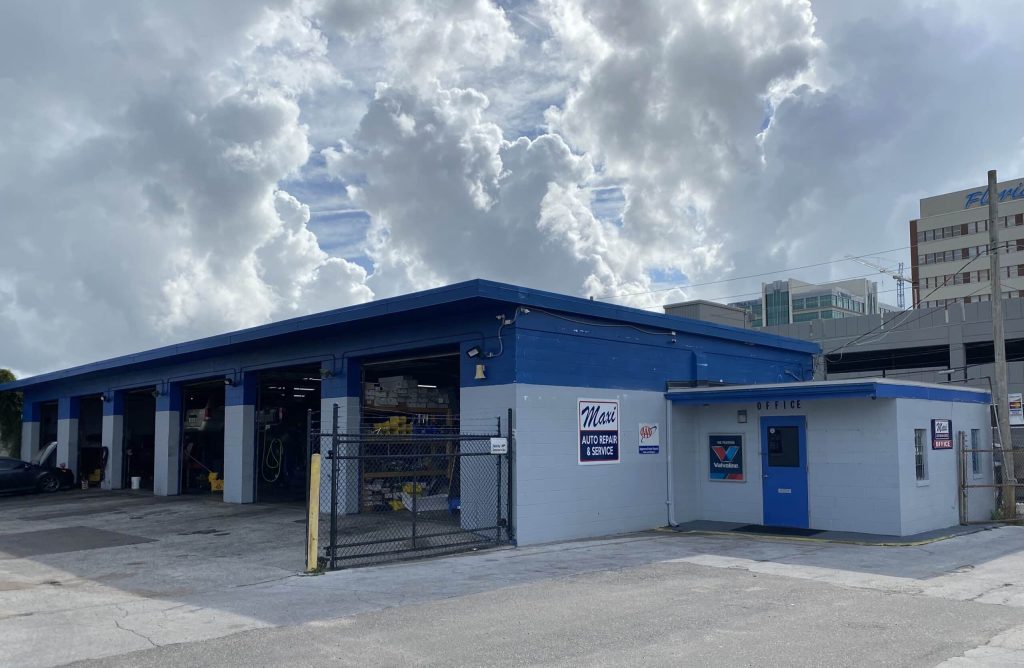
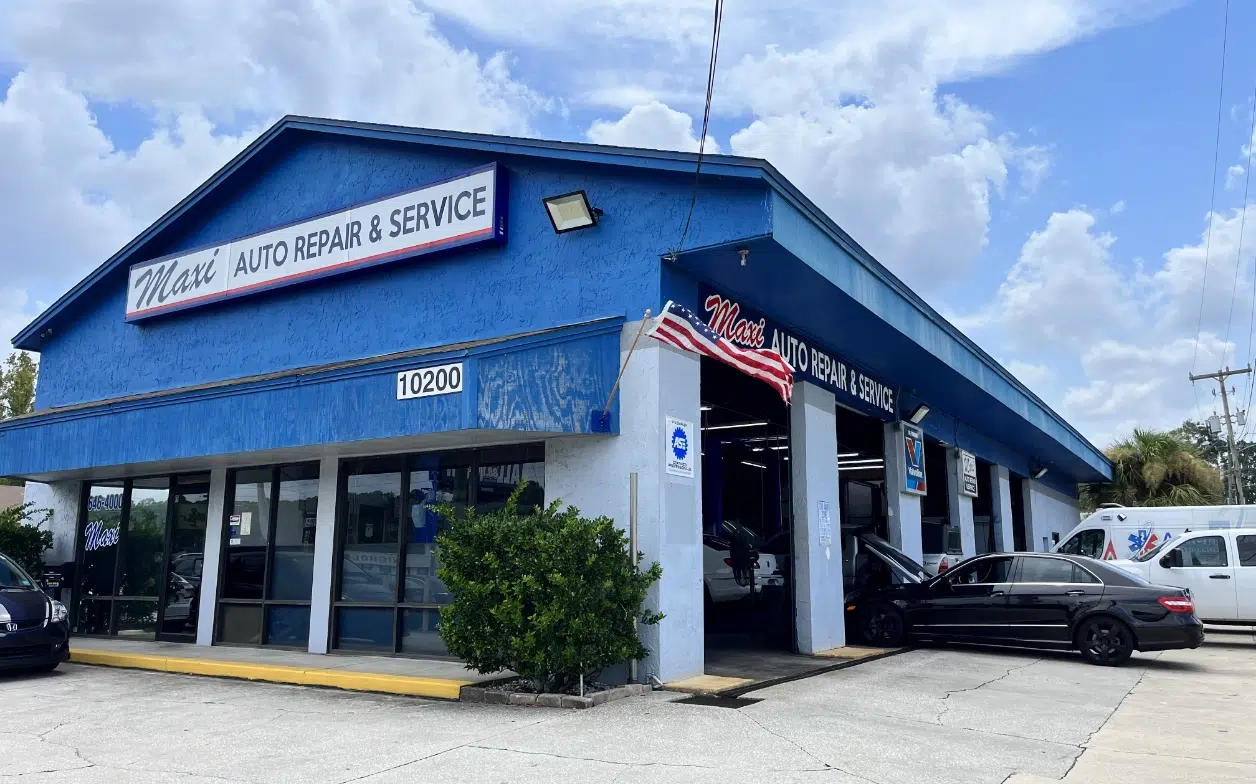
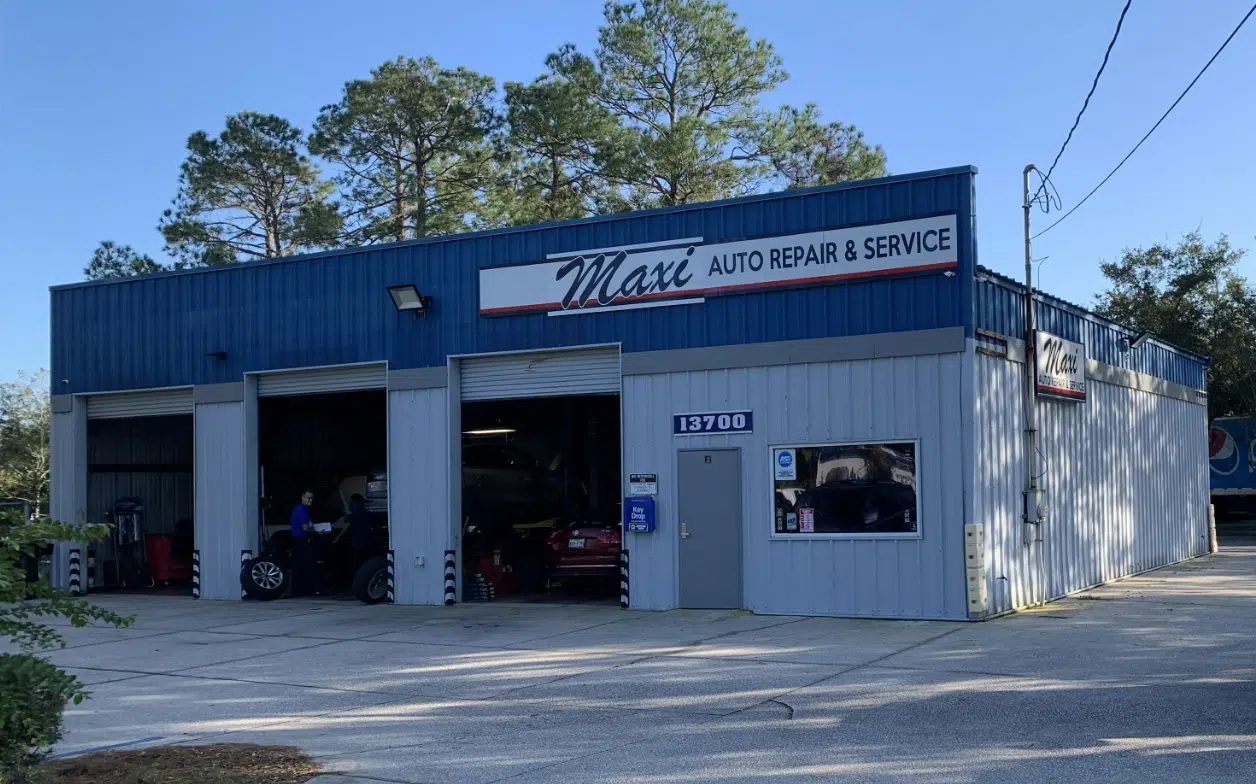
At Maxi’s Mechanics Auto Repair and Service – Hodges, we specialize in ensuring the longevity and efficiency of your vehicle’s crucial components, including the essential systems related to motion and fluid transfer. Our team of skilled technicians is dedicated to providing top-notch care for your automotive needs, offering a comprehensive range of services to address any issues that may arise.
The Significance of Regular Maintenance for Belts and Hoses
Regular maintenance of the various belts and hoses in your vehicle is paramount to guaranteeing optimal performance and preventing costly breakdowns. Here are key reasons why prioritizing the upkeep of these components is crucial:
- Prevention of unexpected failures
- Optimization of engine performance
- Enhanced safety on the road
By scheduling routine inspections and replacements as needed, you can avoid the inconvenience of being stranded due to a belt or hose malfunction. Furthermore, proper maintenance can contribute to fuel efficiency and overall vehicle reliability, ultimately saving you time and money in the long run.
Maxi’s Mechanics Auto Repair and Service Hodges, 13700 Fario Rd, Jacksonville, FL 32224, +19049926868
For more information – Click Here
Signs Your Vehicle Requires Belt and Hose Inspection
When it comes to the vital components of your vehicle, keeping an eye out for warning signs that indicate your belts and hoses may need inspection is crucial for preventing unexpected breakdowns and costly repairs. Here are some indicators to watch out for:
- Unusual Noises: Listen for squealing, screeching, or grinding sounds while driving, which could signify belt wear or misalignment.
- Visible Wear and Tear: Regularly inspect your belts and hoses for cracks, fraying, or bulges, as these can indicate impending failure.
- Fluid Leaks: Any signs of fluid leaks under your vehicle could be a result of a deteriorating hose, requiring immediate attention.
Moreover, fluctuations in temperature, exposure to chemicals, and general wear and tear can all contribute to the degradation of these components over time, emphasizing the importance of routine inspections.
The Intricacies of Vehicle Belt and Hose Replacement
When it comes to maintaining the health and longevity of your vehicle, the process of belt and hose replacement is a crucial aspect that should not be overlooked. At Maxi’s Mechanics Auto Repair and Service – Hodges, our team of skilled technicians are well-versed in the intricacies of this procedure, ensuring that your vehicle operates smoothly and efficiently.
- Belts and hoses play a vital role in the proper functioning of various components within your vehicle, such as the engine, cooling system, and air conditioning.
- Over time, these components are subjected to wear and tear, leading to potential issues such as leaks, cracks, or breaks.
- Regular inspection and replacement of belts and hoses are essential preventive measures that can save you from costly repairs down the line.
During the replacement process, our technicians meticulously assess the condition of each belt and hose, looking out for signs of damage or deterioration. Utilizing advanced tools and techniques, we ensure precise installation to guarantee optimal performance.
- One key benefit of timely belt and hose replacement is the prevention of engine overheating, which can result in major mechanical failures.
- Additionally, replacing these components can improve fuel efficiency and overall vehicle reliability, enhancing the driving experience.

Diverse Array of Belts and Hoses in Vehicles
Belts and hoses are essential components in a vehicle’s engine system. They play a crucial role in maintaining the proper functioning of various parts. Let’s delve into the different types of belts and hoses found in vehicles:
- Timing Belts:
- Metonyms: Cambelt, Toothed Belt
- Timing belts synchronize the rotation of the crankshaft and camshaft, ensuring precise engine operation.
- Serpentine Belts:
- Synonyms: Drive Belts, Accessory Belts
- Serpentine belts power essential components like the alternator, power steering pump, and air conditioning compressor.
- Radiator Hoses:
- Antonyms: Coolant Tubes, Heating Ducts
- Radiator hoses carry coolant between the engine and radiator, helping to regulate engine temperature.
- Vacuum Hoses:
- Metonyms: Vacuum Lines, Piping
- Vacuum hoses control various systems, such as the brake booster and HVAC controls, by transmitting vacuum pressure.
- Power Steering Hoses:
- Synonyms: Hydraulic Lines, Steering Tubes
- Power steering hoses facilitate the transfer of hydraulic fluid, enhancing steering control and ease of turning.
Tips for Maximizing the Longevity of Your Belts and Tubes
When it comes to ensuring the durability and efficiency of your vehicle’s vital components, adopting proactive strategies can significantly extend the lifespan of your belts and hoses. Here are expert insights and innovative approaches to help you maintain the optimal performance of these essential elements:
- Regular Inspections: Schedule routine checks to identify signs of wear and tear, such as cracks, leaks, or fraying, which can indicate potential issues.
- Temperature Awareness: Be mindful of extreme temperatures, as excessive heat can accelerate degradation, while cold conditions may cause stiffness and brittleness in belts and hoses.
- Proper Tension: Ensure proper tension levels in belts to prevent slippage or excessive stress on the system, which can lead to premature failure.
By implementing these preventive measures and incorporating best practices in maintenance, you can enhance the durability and reliability of your vehicle’s belts and hoses. Remember, proactive care is key to avoiding unexpected breakdowns and costly repairs down the road.
Frequently Asked Questions About Automotive Belt and Hose Maintenance
1. What are the signs that indicate a need for belt and hose replacement?
- Unusual squeaking or grinding noises
- Visible cracks or fraying on the belts
- Coolant leaks or engine overheating
2. How often should belts and hoses be inspected?
- It is recommended to have belts and hoses inspected every 30,000 miles or as per the manufacturer’s guidelines.
- Regular visual checks can help catch potential issues early.
3. Can I replace belts and hoses myself?
- While some basic maintenance tasks can be DIY, it’s best to have a professional inspect and replace belts and hoses due to their critical role in the vehicle’s operation.
- Incorrect installation can lead to costly repairs down the line.
4. What are the benefits of timely belt and hose replacement?
- Prevents engine overheating and potential breakdowns
- Ensures optimal performance and fuel efficiency