How Long Can You Drive On Bad Wheel Bearings Before They Fail?: It is important to address deteriorating wheel components promptly to prevent further damage and ensure safe driving conditions in Jacksonville, Florida
At Maxi’s Mechanics Auto Repair and Service in Jacksonville, FL, we understand the importance of addressing issues related to the longevity of wheel bearings. Our team of experts is dedicated to helping you navigate the signs of failing wheel bearings, ensuring your vehicle’s safety and performance on the road.
Signs of Failing Wheel Bearings
When it comes to identifying potential problems with your vehicle, keeping an eye out for certain indicators can make all the difference. Here are some key signs that may point to failing wheel bearings:
- Unusual sounds, such as grinding, squeaking, or rumbling
- Inconsistent handling or steering wheel vibrations
- Uneven tire wear or abnormal tire movement
It is essential to address these symptoms promptly, as neglecting failing wheel bearings can lead to more severe issues and compromise the safety of your vehicle. Regular maintenance and inspections can help prevent potential problems and ensure a smooth driving experience.
For more information – Click Here
The Significance of Timely Replacement of Wheel Bearings
Ensuring the timely replacement of wheel bearings is crucial in maintaining the overall performance and safety of your vehicle. These components, often overlooked, play a pivotal role in the smooth operation of the wheels and the entire driving experience. Neglecting their maintenance can lead to a cascade of issues that could have been easily prevented.
- Properly functioning wheel bearings enhance the handling and stability of the vehicle, providing a safer driving experience for you and your passengers.
- Timely replacement reduces the risk of more extensive damage to the wheel hub, spindle, and other related components, saving you from costly repairs down the road.
- Worn-out wheel bearings can generate excessive heat and friction, leading to premature wear of the tires and suspension system.
By recognizing the early signs of failing wheel bearings and taking immediate action, you can avoid sudden breakdowns and potential safety hazards on the road. Regular inspections and maintenance schedules are key to identifying issues before they escalate into major problems.
| Pros of Timely Replacement | Cons of Neglecting Replacement |
|---|---|
| Enhanced safety and performance | Risk of wheel damage and alignment issues |
| Extended lifespan of related components | Potential tire wear and suspension damage |
Expert Tip: When replacing wheel bearings, opt for high-quality components to ensure durability and longevity. Consult a professional mechanic for a thorough inspection and precise installation to maximize the benefits of this maintenance task.
Common Causes of Wheel Bearing Failure
When it comes to the demise of wheel bearings, there are several factors at play that can lead to their untimely failure. Understanding these common culprits can help you take proactive measures to prevent potential issues down the road.
- Excessive Heat: High temperatures from driving at fast speeds or carrying heavy loads can accelerate wear and tear on wheel bearings.
- Moisture Intrusion: Water and moisture infiltration can corrode the bearings, leading to premature failure.
- Poor Lubrication: Inadequate or degraded lubrication can cause increased friction and wear on the bearings.
Moreover, improper installation practices or neglecting regular maintenance can also contribute to the early deterioration of wheel bearings. It’s essential to ensure that these components are inspected and serviced as part of your routine vehicle maintenance.
- Expert Tip: Listen for unusual noises, such as grinding or rumbling sounds, which could indicate potential issues with the wheel bearings.
- Quantitative Measurement: On average, wheel bearings can last between 85,000 to 100,000 miles under normal driving conditions.
By staying vigilant and addressing any warning signs promptly, you can extend the lifespan of your wheel bearings and avoid costly repairs in the future.
Understanding the Impact of Ignoring Wheel Bearing Problems
Wheel bearings are a critical component of a vehicle’s suspension system, responsible for supporting the weight of the vehicle and allowing the wheels to spin freely. Neglecting issues with wheel bearings can have far-reaching consequences beyond just a noisy ride or poor handling. Here are some insights into the effects of ignoring these crucial components:
- Increased Friction: Worn-out wheel bearings can lead to increased friction between the wheel hub and the axle, causing excessive heat buildup and potential damage to other surrounding components.
- Uneven Tire Wear: Faulty wheel bearings can result in uneven tire wear, as the wheels may not sit properly or rotate smoothly, leading to premature tire replacement and compromising overall vehicle safety.
- Loss of Control: As wheel bearings deteriorate, drivers may experience a loss of control over the vehicle, especially during high-speed maneuvers or sudden stops, posing a significant safety risk.
Regular maintenance and prompt attention to any signs of wheel bearing issues, such as unusual noises or vibrations, are essential to ensuring the long-term reliability and safety of a vehicle. By addressing these problems early on, drivers can avoid costly repairs and potential safety hazards on the road.
Safe Driving Practices with Faulty Wheel Bearings
Driving with compromised wheel bearings can pose significant risks to both you and your vehicle. Here are some expert tips to help you navigate this situation safely:
- Regularly check for symptoms of failing wheel bearings, such as unusual noises, vibrations, or uneven tire wear.
- Maintain a safe following distance from other vehicles to allow for smoother braking in case of sudden mechanical issues.
- Limit your speed, especially around corners or on rough terrain, to reduce strain on the faulty bearings.
When faced with the challenge of driving with bad wheel bearings, it’s crucial to prioritize safety above all else. Here are some potential benefits and drawbacks to consider:
| Pros | Cons |
|---|---|
| Increased awareness of your vehicle’s condition | Risk of sudden failure leading to accidents |
| Opportunity to address the issue promptly | Potential for further damage to surrounding components |
- Seek professional assistance to assess the severity of the wheel bearing damage and determine the best course of action.
- Consider alternative transportation options if the risk of driving with faulty wheel bearings is too high.
Wheel Bearing Replacement Process
When it comes to addressing wheel bearing issues, understanding the replacement process is crucial. Here are some in-depth insights and expert tips on this essential procedure:
- Initial Assessment:
- Start by diagnosing the problem through a road test to identify any unusual noises or vibrations.
- Perform a visual inspection to check for worn-out bearings or damaged seals.
- Preparation Steps:
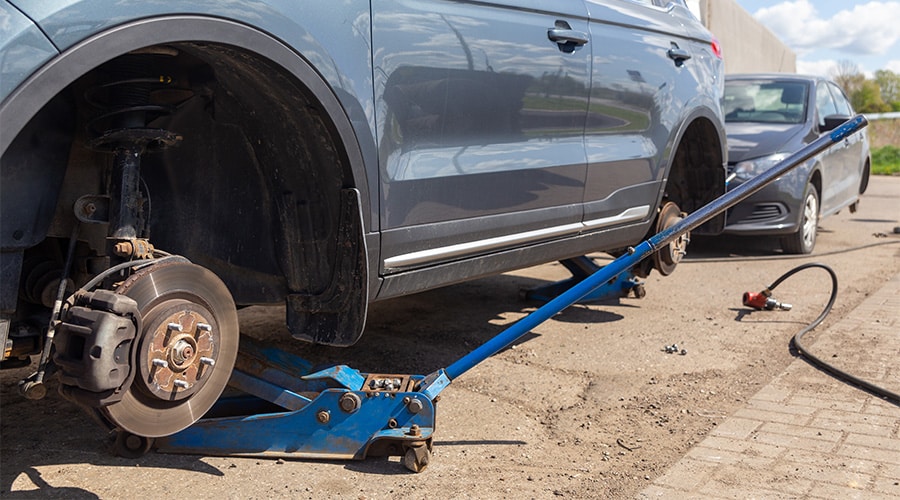
- Secure the vehicle on a level surface and ensure it’s safely supported.
- Gather the necessary tools, including a jack, jack stands, sockets, and a torque wrench.
- Replacement Procedure:
- Remove the wheel and brake caliper to access the wheel hub assembly.
- Extract the old bearing using a press or puller tool, taking care not to damage the surrounding components.
- Install the new bearing, making sure it’s properly aligned and securely seated in place.
- Final Checks:
- Reassemble the components in the reverse order, ensuring everything is torqued to the manufacturer’s specifications.
- Conduct a final road test to confirm the issue has been resolved and the vehicle operates smoothly.