Subaru All-Wheel Drive Service: Jacksonville’S Awd Experts: Jacksonville’s specialists in AWD service are located in Jacksonville, FL
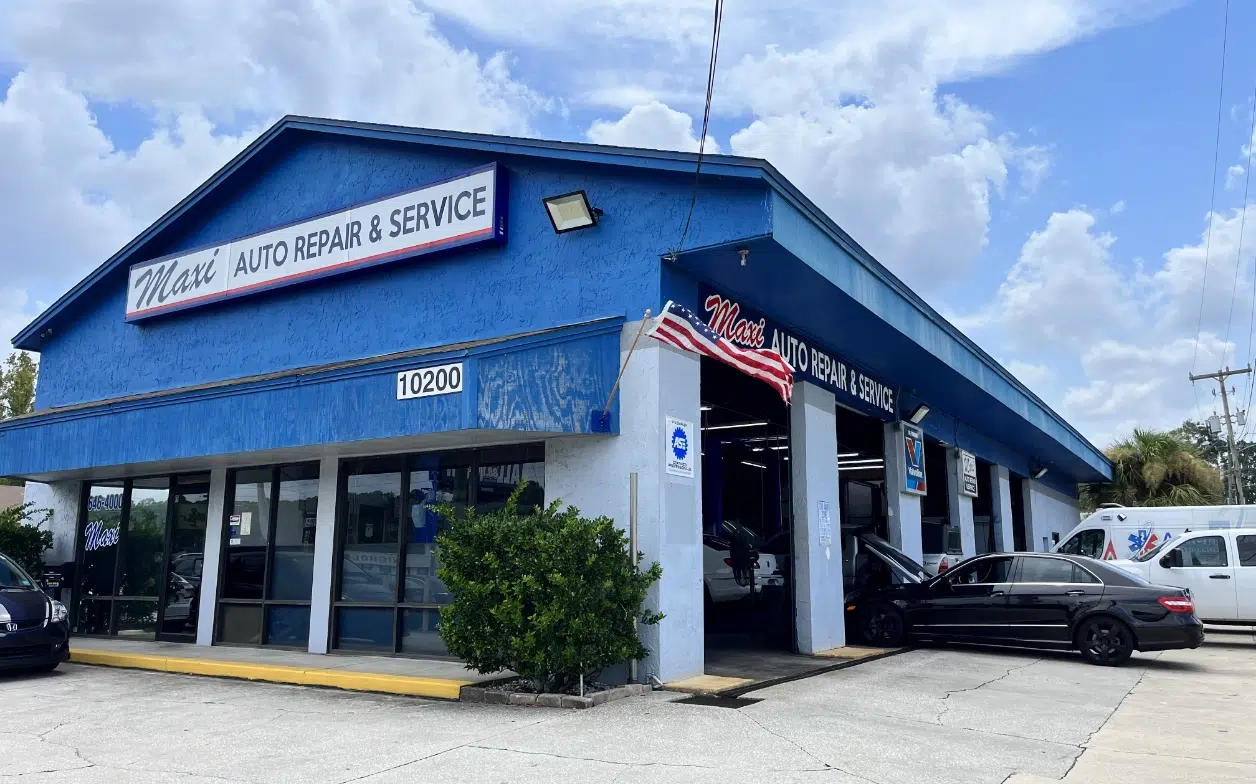
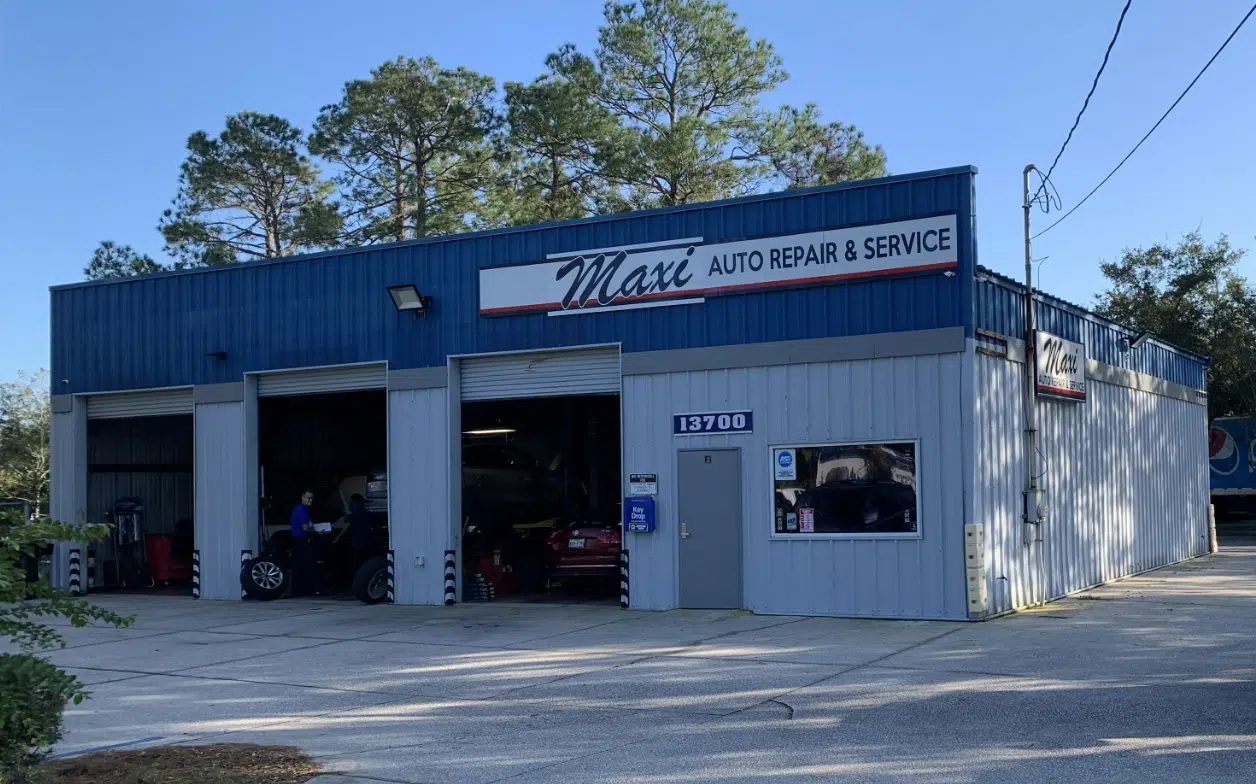
At Maxi’s Mechanics Auto Repair and Service in Jacksonville, Fl, we specialize in helping customers with their all-wheel drive systems. Our team of experts is well-versed in the intricacies of AWD technology and can provide the necessary services to keep your vehicle running smoothly no matter the terrain or weather conditions.
Understanding All-Wheel Drive Systems
When it comes to all-wheel drive (AWD) systems, it’s essential to grasp the fundamental principles to ensure optimal performance and safety. Here are key points to consider:
- Differential Types: Open, Limited Slip, and Locking
- AWD vs. 4WD: Variations in Drive Systems
- Benefits of AWD: Enhanced Traction and Stability
AWD systems distribute power to all four wheels, offering improved control and handling on various road surfaces. By constantly monitoring wheel slippage, AWD can adjust power distribution to maximize grip and minimize wheel spin. Understanding the nuances of AWD operation can enhance your driving experience and provide confidence in challenging conditions.
For more information – Click Here
Benefits of Regular AWD Maintenance
When it comes to ensuring optimal performance of your vehicle’s all-wheel drive system, routine maintenance plays a crucial role. By prioritizing regular upkeep, drivers can experience a myriad of advantages that go beyond just basic functionality. Here are some key benefits of staying proactive with AWD maintenance:
- Enhanced Traction: Consistent care of your AWD system can improve traction on various road surfaces, enhancing overall stability and control.
- Extended Lifespan: Regular maintenance helps prevent premature wear and tear on AWD components, ultimately extending the system’s lifespan.
- Improved Fuel Efficiency: Properly maintained AWD systems operate more efficiently, potentially leading to better fuel economy over time.
Additionally, proactive maintenance can aid in early detection of potential issues, allowing for timely repairs and preventing costly breakdowns. By adhering to manufacturer recommendations and scheduling regular inspections, drivers can stay ahead of potential problems and enjoy a smoother driving experience overall.
Identifying Signs of Potential Issues with Your AWD System
When it comes to your vehicle’s all-wheel-drive (AWD) system, staying vigilant for any indication of trouble is crucial. Here are some key signs to watch out for:
- Unusual clicking or clunking noises originating from the drivetrain
- Inconsistent handling or difficulty steering, especially when making sharp turns
- Noticeable vibrations or shakiness while driving, particularly at high speeds
- Leaking fluids underneath the vehicle, which may indicate a problem with the AWD system
It’s important to remember that addressing these signs promptly can prevent more significant and costly issues down the road. Regular maintenance checks and inspections by a qualified technician can help diagnose and resolve potential AWD system problems before they escalate.
Keep in mind that neglecting these warning signs could lead to reduced traction, compromised vehicle stability, and ultimately, safety hazards on the road. By taking a proactive approach to AWD system maintenance, you can ensure optimal performance and longevity for your vehicle.

Understanding the Significance of Regular AWD Inspections
Regular inspections of your vehicle’s all-wheel-drive (AWD) system play a crucial role in ensuring optimal performance and longevity of your car. By conducting routine checks on your AWD system, you can detect and address potential issues before they escalate, saving you from costly repairs down the road.
- Enhanced Safety: Regular AWD inspections help maintain optimal traction and stability, especially in adverse road conditions, reducing the risk of accidents.
- Improved Efficiency: Well-maintained AWD systems contribute to better fuel efficiency by ensuring that power is distributed evenly to all wheels, minimizing unnecessary strain on the engine.
One of the key components to focus on during AWD inspections is the condition of the differentials. These components are responsible for distributing power between the wheels and must be inspected regularly to prevent premature wear and tear. Additionally, checking the fluid levels in the transfer case is essential to ensure proper lubrication and functionality.
- Expert Tip: Pay attention to any unusual noises or vibrations coming from the AWD system, as these could indicate underlying issues that require immediate attention.
- Regular AWD inspections are recommended every 12,000 to 15,000 miles or at least once a year, depending on your driving habits and the manufacturer’s guidelines.
AWD Service Best Practices
Ensuring optimal performance and longevity of your vehicle’s all-wheel drive (AWD) system involves adhering to best practices. Proper maintenance not only enhances traction and stability but also contributes to overall driving safety and efficiency.
- Regularly inspect and replace worn-out tires to maintain balanced traction across all wheels.
- Monitor fluid levels, including differential and transfer case fluids, to prevent premature wear and ensure smooth operation.
- Engage in proactive service of the AWD system to address minor issues before they escalate and potentially result in costly repairs.
When servicing your AWD system, it’s essential to consider the variances in power distribution among the wheels to prevent uneven wear and tear. Additionally, balancing torque output helps enhance cornering stability and overall handling.
| Pros | Cons |
|---|---|
| Improved traction on various terrains | Increased complexity may lead to higher maintenance costs |
| Enhanced stability in adverse weather conditions | Additional weight due to AWD components can affect fuel efficiency |
- Regularly check and replace drive belts to ensure efficient power delivery throughout the system.
- Consult with experienced technicians to address any unusual noises or vibrations coming from the drivetrain.
Choosing the Right AWD Specialists
When it comes to selecting experts for your vehicle’s all-wheel drive system, it is crucial to find professionals who understand the intricacies of this advanced technology. Here are some factors to consider:
- Experience with AWD Systems
- Technical Expertise in Drivetrain Mechanics
- Knowledge of Differential Functionality
Opting for technicians who possess a deep comprehension of how all-wheel drive operates can ensure accurate diagnostics and effective solutions for any issues that may arise. A thorough understanding of drivetrain components and their interplay is essential for proper maintenance and repairs.
Furthermore, experts who are well-versed in the nuances of differentials can offer insights into optimizing performance and ensuring optimal power distribution across all wheels. This expertise can lead to improved handling and stability, especially in challenging road conditions.
By choosing specialists who excel in all aspects of all-wheel drive systems, you can benefit from:
| Pros | Cons |
|---|---|
| Enhanced Traction | Higher Initial Costs |
| Better Handling | Potential Maintenance Expenses |
| Improved Stability | Specialized Expertise Required |
Overall, selecting knowledgeable professionals who specialize in all-wheel drive systems can contribute to the longevity and performance of your vehicle, ensuring a smooth and safe driving experience.