When acceleration drops and fuel costs rise, here’s why.
If your car feels sluggish or you are stopping at the gas pump more often than usual, it is more than an inconvenience. Reduced performance and declining fuel efficiency are often early warning signs that something is not working as it should.
Your vehicle is engineered to accelerate smoothly, respond predictably, and use fuel efficiently. When that balance changes, paying attention early can help you avoid larger, more expensive problems down the road.
Below are the most common performance related warning signs and what they may be telling you.
Engine Hesitation or Stalling
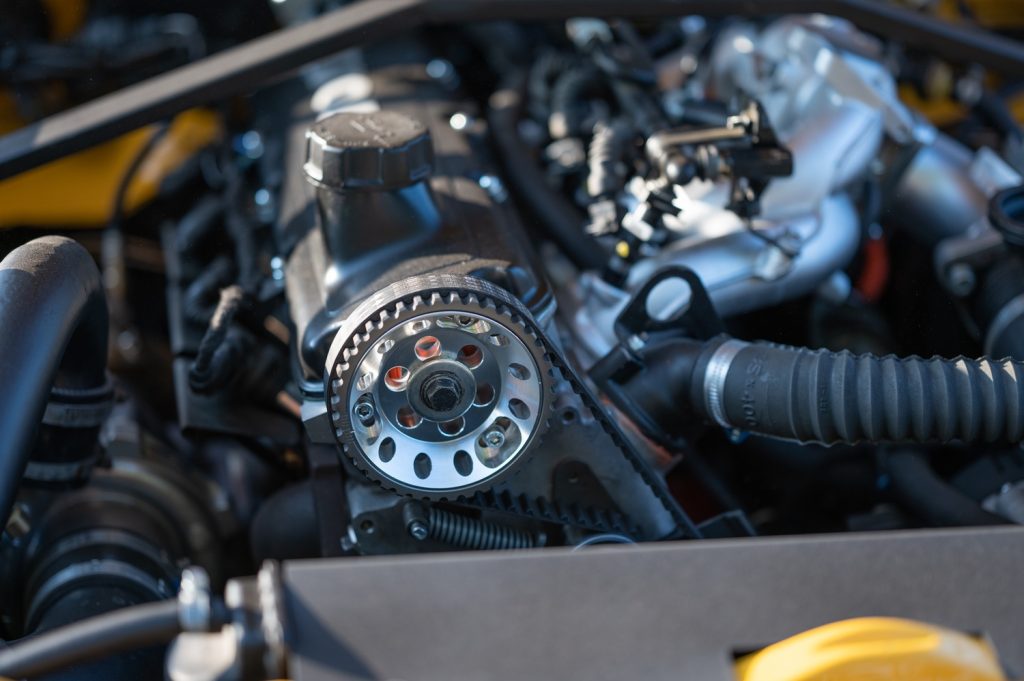
If your engine hesitates, sputters, or stalls, it may be struggling to deliver the proper mix of air and fuel.
Common causes include clogged fuel filters, worn spark plugs, or early fuel pump issues. These problems often begin gradually but can escalate quickly if ignored, leading to poor drivability or complete failure.
Toolbox Tip: Hesitation during acceleration or at idle is a sign your engine is working harder than it should.
Decreased Acceleration
When your vehicle no longer accelerates the way it used to, the issue may be related to restricted airflow, fuel delivery problems, or early transmission concerns.
Slow or inconsistent acceleration puts extra strain on the engine and reduces overall drivability. Over time, this added stress can shorten the life of key components.
Toolbox Tip: If acceleration feels delayed or uneven, it is best to address it before it affects other systems.
Lower Fuel Efficiency
A noticeable drop in miles per gallon is one of the clearest indicators that your car is operating inefficiently.
Underinflated tires, dirty air filters, worn spark plugs, or outdated engine tuning can all force your vehicle to burn more fuel just to maintain normal performance. This not only increases fuel costs but also accelerates wear on the engine.
Toolbox Tip: Declining fuel economy is often one of the earliest and most measurable signs of a developing problem.
What You Can Check at Home
There are several simple steps you can take to monitor performance changes.
Start by tracking your fuel consumption over a week or two. Sudden changes often point to underlying issues. Check your air filter, as a dirty filter restricts airflow and reduces efficiency. Make sure your tires are inflated to the manufacturer’s recommended pressure, since low tire pressure increases rolling resistance and fuel usage.
If sluggish performance continues, consider scheduling a tune up, especially if routine maintenance has been delayed. Regular service helps restore efficiency, improve responsiveness, and extend the life of your vehicle.
Final Toolbox Tip
When performance drops, your car is not just aging, it is asking for attention.
Responding early helps your vehicle run better, last longer, and operate more economically. Staying proactive with performance concerns is one of the smartest ways to protect your investment and keep driving with confidence using Maxi’s Toolbox Tips.