Fall is a great time to take a closer look at your vehicle.
Summer heat, stop-and-go traffic, road trips, and everyday driving can put extra stress on your vehicle’s fluids. As you head into the fall driving season, checking fluid levels and condition can help you catch potential problems before they become expensive repairs or leave you stranded.
Your vehicle depends on several different fluids to keep its engine, transmission, brakes, and cooling system operating properly.
Here are five fluids worth checking before your fall driving gets underway.
1. Engine Oil
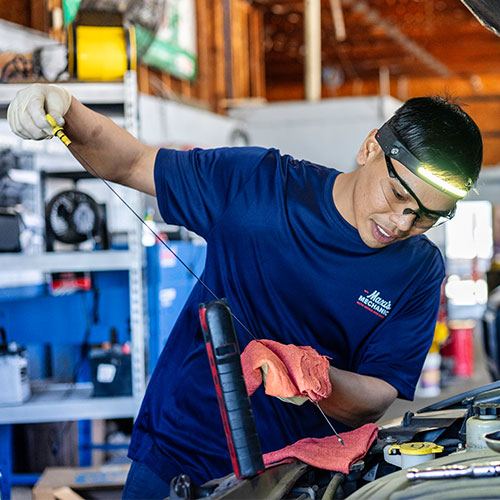
Engine oil is one of the most important fluids in your vehicle.
It lubricates the engine’s internal components, helping reduce friction and heat as the engine operates. Over time, oil becomes contaminated and can lose some of its effectiveness.
Check your oil level according to the procedure in your owner’s manual and pay attention to your vehicle’s recommended oil-change interval.
If your oil level is consistently low, don’t simply keep adding oil and ignore it. A low oil level could indicate a leak or another mechanical issue that needs to be addressed.
Maxi’s Tip: If it’s been a while since your last oil change, fall is a good time to get it checked before holiday travel begins.
2. Coolant
Your engine produces a tremendous amount of heat while running.
Coolant, also called antifreeze, helps regulate engine temperature and protects the cooling system.
Low coolant levels can contribute to overheating and may indicate a leak somewhere in the cooling system.
Before checking coolant, make sure the engine is completely cool. Never remove a radiator or coolant reservoir cap from a hot engine.
Look for signs such as:
- Low coolant levels
- Visible leaks
- Overheating
- An unusual sweet smell
- Coolant warning lights
If you frequently need to add coolant, have the cooling system inspected rather than treating it as normal.
3. Brake Fluid
Your braking system relies on hydraulic pressure, and brake fluid is a critical part of that system.
Low brake fluid can sometimes indicate worn brake components, while a leak can create a serious safety issue.
Check the brake fluid reservoir and look for a level below the recommended range.
Also pay attention to changes in how your brakes feel.
If your brake pedal feels soft or spongy, your vehicle takes longer to stop, or your brake warning light comes on, have the braking system inspected promptly.
Remember: Brake problems aren’t something to put off until the holidays.
4. Transmission Fluid
Your transmission depends on fluid to lubricate components and help manage heat.
Depending on the vehicle, checking transmission fluid may require a specific procedure, and some modern vehicles don’t have a traditional transmission dipstick at all.
If your vehicle does allow you to check the fluid yourself, follow the manufacturer’s instructions.
Also watch for warning signs such as:
- Delayed shifting
- Hard or rough shifts
- Slipping gears
- Unusual noises
- Fluid underneath the vehicle
Transmission problems can become significantly more expensive when they’re ignored, so don’t wait for a complete failure before having a problem diagnosed.
5. Power Steering Fluid
Not every modern vehicle uses hydraulic power steering. Many newer vehicles use electric power steering instead.
But if your vehicle has a hydraulic power steering system, the fluid should be checked as part of routine maintenance.
Low power steering fluid can make steering feel heavier and may indicate a leak.
If you notice whining or groaning when turning the steering wheel, difficulty steering, or fluid underneath the front of the vehicle, have the system inspected.
Don’t Just Check the Level
Checking fluid levels is important, but there’s more to vehicle fluid maintenance than simply looking at the dipstick or reservoir.
Fluid condition matters, too.
Changes in color, consistency, smell, or fluid level can sometimes provide clues that something isn’t operating properly.
And if you find a fluid that’s low, don’t automatically assume it just needs to be topped off.
Ask why it’s low.
A fluid level that keeps dropping could indicate a leak or mechanical problem.
Get Your Vehicle Ready for Fall
Fall driving can mean cooler temperatures, longer trips, football games, weekend getaways, and eventually holiday travel.
Before you put more miles on your vehicle, take a few minutes to make sure the fluids that keep it running are where they should be.
A simple inspection today could help prevent a much bigger problem later.
If you’re not comfortable checking your vehicle’s fluids yourself, that’s exactly what routine maintenance is for.
Bring your vehicle to Maxi’s Mechanics for a professional inspection and make sure your car is ready for the road ahead.
Frequently Asked Questions
How often should I check my car’s fluids?
It’s a good idea to check important fluid levels regularly, especially before long trips. Your vehicle’s owner’s manual will provide specific maintenance recommendations.
What does it mean if my car keeps losing fluid?
A fluid level that repeatedly drops may indicate a leak or another mechanical problem. Instead of continually topping it off, have the source identified.
Can I check all my vehicle’s fluids myself?
Some fluids are relatively easy to check, while others require specific procedures or equipment. Always follow your manufacturer’s instructions and never work around hot coolant.
What fluid is most important for my car?
All of your vehicle’s essential fluids serve different purposes. Engine oil, coolant, brake fluid, and transmission fluid are particularly important to vehicle operation and should be maintained according to the manufacturer’s recommendations.
Should I check my fluids before a road trip?
Absolutely. Checking fluid levels and having your vehicle inspected before a long trip can help identify potential problems before you’re hundreds of miles from home.
A Little Maintenance Goes a Long Way
You don’t need to be a mechanic to take better care of your vehicle.
Knowing what to look for and addressing problems early can help keep your vehicle reliable, safe, and ready for the miles ahead.
Before your next fall road trip, make sure your vehicle is ready. Schedule your maintenance appointment with Maxi’s Mechanics today.